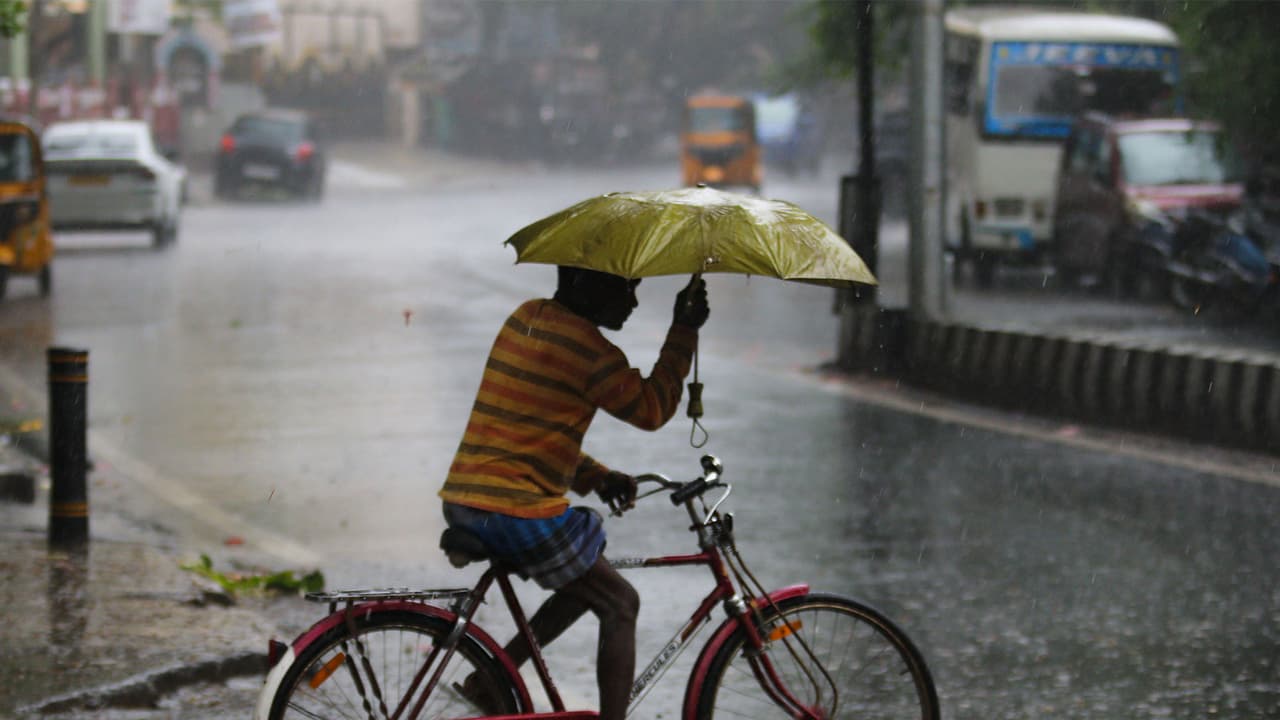
A below-normal monsoon forecast for FY27 could significantly impact India’s economy, warns a new report. It could fuel food inflation, slow GDP growth to 6.5%, hurt rural demand, and delay potential interest rate cuts by the RBI.
India’s macroeconomic outlook for FY27 could be influenced significantly by monsoon performance, with below-normal rainfall expected to create upward pressure on inflation and affect growth momentum, according to a report by CA Tapan Doshi, smallcase manager and Founder of Thoughtful Investors Research LLP.
The report states that the India Meteorological Department (IMD) has forecast monsoon rainfall at 92 per cent of the Long Period Average (LPA), which is classified as below normal. It notes that this raises concerns around food inflation, rural demand recovery and the overall interest rate outlook.
Impact on Agriculture
According to the report, nearly 55 per cent of India’s net sown agricultural land is rain-fed, making monsoon patterns critical for agricultural output, rural income and supply chains. Agriculture, which contributes around 15-16 per cent to India’s GDP and supports nearly 45 per cent of the population, remains highly dependent on rainfall conditions.
The report adds that uneven or delayed rainfall during key sowing periods could impact crops such as rice, pulses, sugarcane, soybean and oilseeds, potentially affecting agricultural productivity and food availability.
Inflation and Monetary Policy Outlook
It further highlights that food inflation, which accounts for nearly 46 per cent of the Consumer Price Index (CPI) basket, has already been witnessing upward pressure in recent months. Any supply disruption due to weak monsoon conditions could add to broader inflationary trends, particularly in vegetables and essential commodities.
“If rainfall remains below expectations during the peak monsoon months, headline inflation could accelerate meaningfully in the second half of FY27,” the report noted.
The report also states that rising food inflation may influence the Reserve Bank of India’s monetary policy stance and could delay expectations of interest rate easing.
Effect on GDP Growth
On growth, it estimates that India’s GDP could remain around 6.8 per cent-6.9 per cent under normal monsoon conditions, but may moderate to around 6.5 per cent if rainfall remains weak, mainly due to softer rural demand and lower agricultural output.
Rural Demand and Market Stability
It further notes that rural recovery in FY27 will depend on monsoon stability, as favourable rainfall typically supports farm incomes, rural employment and consumption across sectors such as FMCG, automobiles, fertilisers and microfinance.
Financial markets are also expected to track monsoon developments closely, with rainfall patterns historically influencing inflation expectations, bond yields and sectoral performance linked to rural demand.
The report adds that while rural-facing sectors may remain sensitive to weather conditions, government-driven sectors such as infrastructure, defence, railways and capital goods are expected to remain relatively stable due to continued public spending and urban demand. (ANI)
(Except for the headline, this story has not been edited by Asianet Newsable English staff and is published from a syndicated feed.)