Tokyo shop staff foiled a fake iPhone 18 Pro scam using a magnetic sheet to detect missing MagSafe rings, while Hong Kong police probe a major credit card fraud wave linked to iPhone 18 pre-orders worth millions.
In a stunning display of retail vigilance, a second-hand smartphone shop in Tokyo, Japan, has apparently narrowly averted a high-stakes fraud attempt involving counterfeit packaging of the newly launched iPhone 18 Pro.
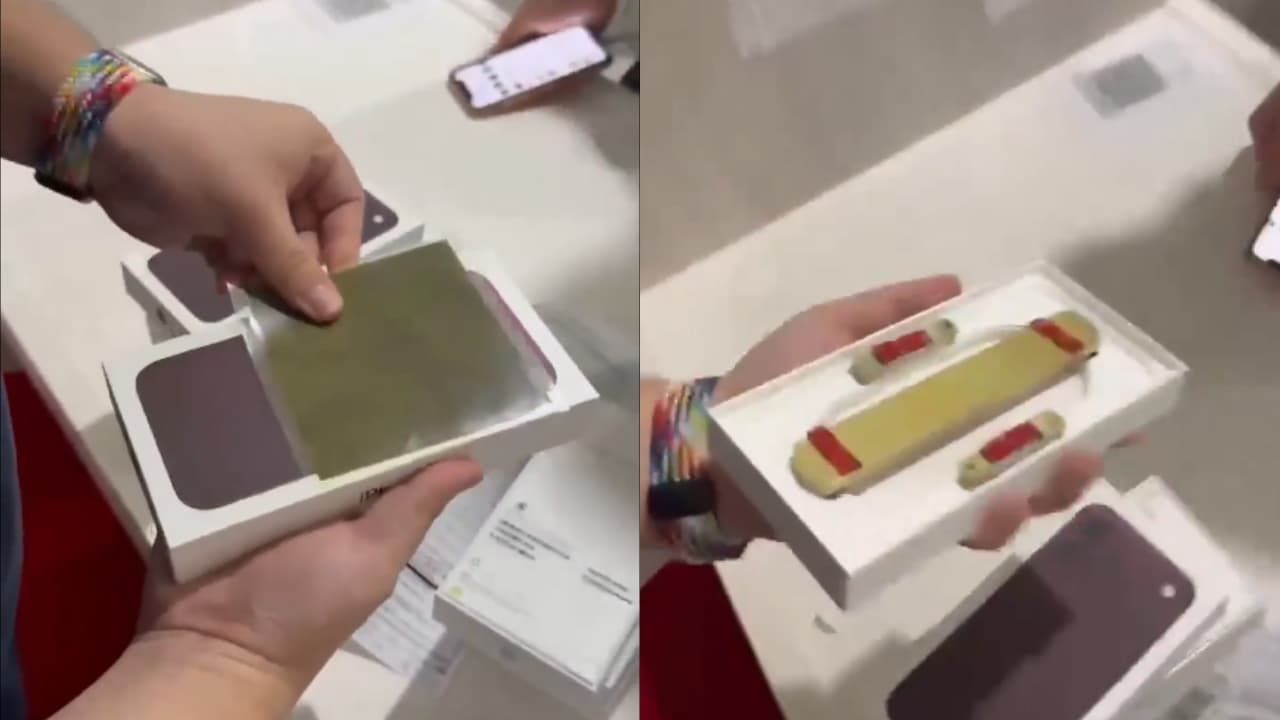
In a video that went viral on social media, especially X (formerly Twitter), a shop staff member was seen using a magnetic viewing sheet to check the MagSafe magnetic ring through the sealed box, which was opened and reportedly found filler materials instead of an iPhone, exposing an alleged scam.
Since the newly launched iPhones, including the 18 Pro, 18 Pro Max, and the highly anticipated foldable Duo lineup, hit store shelves amid massive global demand, the secondary market and retail stores across the world have become prime targets for sophisticated fraudsters, attempting to palm off empty boxes or heavy filler materials as pristine devices.
Also Read: ‘This Was The 5th Time’: Indian Woman Loses iPhone 16 Pro In Japan, Finds It Again (WATCH)
How Did Shop Staff Find Out the Fake iPhone 18 Pro?
A shop in Japan’s Tokyo, which reportedly operates in the Shin-Okubo district and specialises in buying second-hand mobile phones. However, a shop staff member came across an unexpected challenge when a Vietnamese man arrived with several sealed iPhone 18 Pro boxes, prompting the employees to verify those boxes.
The shop staff member used a simple physics trick by placing a magnetic viewing sheet over the sealed box to check for the magnetic pattern produced by the MagSafe system. This trick helped him expose the counterfeit packaging instantly.
In a viral video, one of the shop employees was seen scanning the iPhone 18 Pro box with the magnetic viewing sheet, only to find that the expected circular MagSafe pattern did not appear on the sheet, raising immediate suspicion about the package. When he opened the package, the staff member reportedly discovered filler material instead of an iPhone 18 Pro.
Scroll to load tweet…
The shop staff members cannot remove the seal of the iPhone boxes as it would lose the item’s coveted ‘brand-new, unopened’ status, which is vital for second-hand resale value. This innovative way of identifying counterfeit packaging allowed the staff to verify the contents without breaking the seal, potentially saving the shop from purchasing a fake product.
Since the incident highlights how simple physical checks can help second-hand retailers detect suspicious packaging, the magnetic-sheet method could serve as a useful precaution when verifying sealed smartphones before purchase.
The Hong Kong Credit Card Fraud Wave
Not only Japan, but the shops in Hong Kong have also reportedly faced a different iPhone-related fraud wave, with more than 700 people reporting unauthorised credit-card transactions linked to iPhone 18 pre-orders.
The incident came to light on September 13 when Hong Kong Police received more than 700 reports from people who suspected their credit cards had been used fraudulently to purchase iPhone 18 series handsets online. Reportedly, transactions totalled HK$25 million (US$ 3.18 million), with the largest single case involving about HK$114,000.
According to the Hong Kong Police, the fraudulent orders were placed using stolen credit card details, with the victims discovering unauthorised charges after receiving notifications from their banks. Police have launched a subsequent investigation into online fraud. Meanwhile, Apple is reportedly reviewing the affected orders.
Therefore, as high-stakes tech releases like iPhones continue to fuel global criminal ingenuity, both physical retail stores and digital platforms must remain intensely vigilant against evolving electronic scams.
Also Read: Apple iPhone Refresh Cycle Better-Than-Expected, Says Evercore As AAPL Stock Heads For 5th Straight Weekly Gain