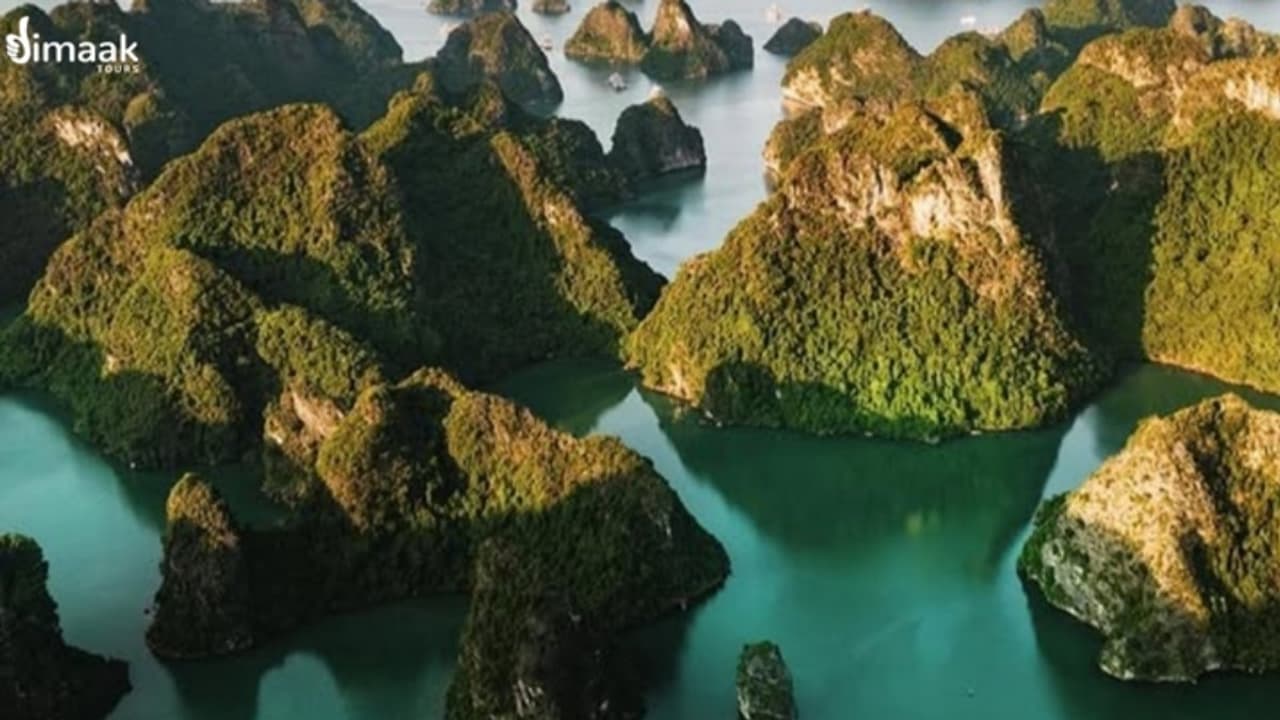
Asian destinations have recorded a strong surge in flight bookings, with Vietnam emerging as the top international destination with a 130 percent year-on-year increase. If 2024 was about curiosity, 2026 is about consolidation.
The geopolitical tremors of 2026 have fundamentally redrawn the global tourism map, sparking a silent but massive exodus of Indian travellers away from traditional Western strongholds. For decades, the aspiration of the rising Indian middle class was tethered to the West. A summer in the Swiss Alps, a shopping spree in London, or a road trip across the American coast. However, as the shadow of conflict looms over parts of Europe and the intensifying US-Israel-Iran tensions destabilize major West Asian transit hubs like Dubai and Doha, the “Great Western Escape” has become a logistical and psychological minefield
Indians are now seeking alternatives that offer safety, comfort, and affordability in a complicated travel industry. There has been a noticeable shift toward domestic destinations, while Southeast Asia remains a preferred choice this season.
Domestic and Asian destinations are hot this summer.
Amid disruptions in the Middle East, a report last month revealed that travel preferences have shifted recently, with more travellers choosing alternate international and domestic destinations. Asian locations are seeing a surge in bookings this month.
More travellers have chosen alternative international destinations and domestic getaways in recent weeks. Evolving global dynamics, including flight disruptions and airspace constraints in the Middle East, drive this trend. Holidaymakers favour more familiar and easy-to-reach locations.
This shift is not merely anecdotal; stark industry data back it. Srivathsan GK, Dimaak Tour’s CEO, highlights the magnitude of this transition:
“Since February 2026, we have observed a clear shift in Indian outbound travel patterns. Destinations across West Asia and parts of Central Asia, including Dubai, Qatar, Oman, Turkey, Azerbaijan, and Kazakhstan, have seen a decline in demand. In contrast, East and Southeast Asian destinations such as Japan, South Korea, Bali, Singapore, the Maldives, Vietnam, and Cambodia are seeing strong growth. Even more interesting is that transportation costs in countries like Vietnam, Cambodia, and Singapore have increased by 15 to 20 percent, yet demand continues to rise. This suggests that travellers are prioritising experience, accessibility, and overall value rather than just cost.”
Vietnam: The New Great Alternative To Europe
Asian destinations have recorded a strong surge in flight bookings, with Vietnam emerging as the top international destination with a 130 percent year-on-year increase. If 2024 was about curiosity, 2026 is about consolidation. Vietnam has officially replaced Central Europe in the “scenic and affordable” category.
While European prices have surged due to energy crises and inflation, Vietnam remains budget-friendly. There are direct flights from nearly every Tier-1 Indian city and a seamless e-visa process. Indian travellers are swapping the Swiss Alps for the limestone karsts of Ha Long Bay and the Rhine for the Mekong Delta.
Thailand And Malaysia: Still The Crowd Favourite
Thailand and Malaysia have solidified their status as sanctuaries of convenience. By extending and refining visa-free entry for Indian nationals through 2026, these nations have attracted a large demographic frustrated by the complex, “fortress-like” visa requirements of the Schengen zone.
The shift here is not just about proximity, but about a change in travel style; the frantic “check-list” tourism of Western cities is being replaced by “slow travel.” As the experts at Dimaak Tours have noted, even with rising transport costs in hubs like Singapore, the appetite for Southeast Asia remains unsated. Travellers are moving beyond the neon lights of Bangkok to the wellness retreats of Chiang Mai and the secluded luxury of Bali, seeking a mental breather in countries that have remained steadfast zones of peace.
Maldives: More Than Just Luxury
When the world feels unstable, the “One Island, One Resort” concept of the Maldives feels like the ultimate safety net. For those who want to plan a Maldives trip, the island offers more than just a retreat for honeymoon couples and a luxurious beach experience. Travellers are now exploring the Maldives for diving, marine life, and sustainable tourism initiatives.
Islands like Dhiffushi and Maafushi allow travellers to experience Maldivian culture and turquoise waters at a fraction of the traditional cost. While Mediterranean cruises face rerouting due to oceanic tensions, the Maldives remains a serene, isolated paradise. In 2026, it is not just for honeymooners; Indian “digital nomads” and corporate travellers are flocking here to work in a bubble of peace.

Sri Lanka: A Serene Retreat
Sri Lanka is the fastest-growing destination for Indians this year. After its economic recovery, it has positioned itself as the perfect high-value, low-stress alternative. Sri Lanka has staged a remarkable comeback, branding itself as a high-value, short-haul option for those who crave the “island life” aesthetic.
For the price of a flight to Kerala or Goa, Indians are reaching the surf breaks of Weligama and the fort walls of Galle, enjoying a sophisticated Mediterranean vibe without the ten-hour flights or maritime anxieties affecting the Mediterranean basin.
Final Thoughts
Ultimately, the events of 2026 have ushered in an era of “Travel Confidence.” The Indian traveller is no longer willing to navigate the hurdles of a Western world that feels increasingly closed or unstable. Instead, the focus has shifted to the “Power of the East,” where the passport is respected, the currency holds its ground, and the welcome is unconditional.
This trend reflects a broader psychological realignment: when the world feels unpredictable, the luxury of peace, the ease of a five-hour flight, and the certainty of a warm reception have become the most valuable commodities a destination can offer. The secret rush to the East is not just a trend; it is a permanent recalibration of how India views the world.