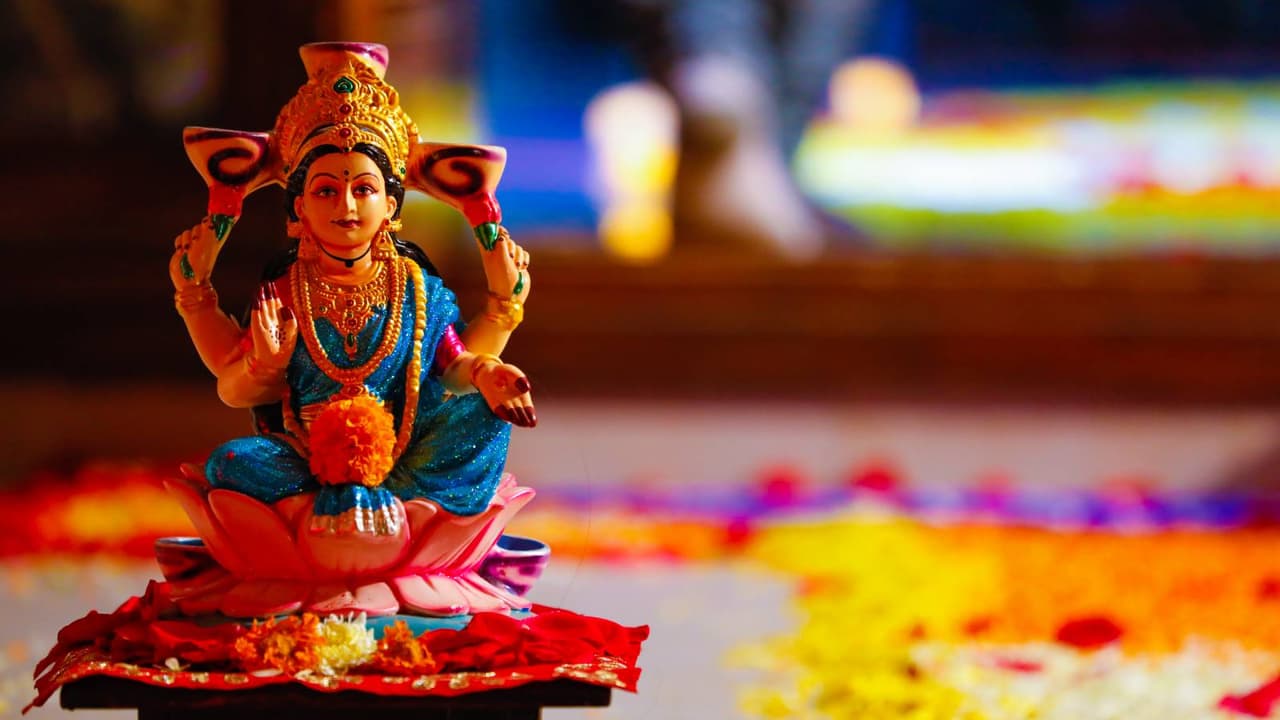
The Varamahalakshmi festival in 2026 falls on Friday, August 21. It’s a major festival celebrated during the Shravana month. If you’ve ever wondered why it’s celebrated or how the rituals are done, we’ve got you covered.
You’ve probably seen your mom or grandmother setting up a decorated pot, or ‘kalasha’, for the Varamahalakshmi Vrata. But have you ever wondered what it all means? If you’re planning to do the puja for the first time, here’s a simple breakdown of everything you need.
So, what is the Varamahalakshmi Vrata?
The Varamahalakshmi Vrata is a big deal, especially in South Indian states like Karnataka, Tamil Nadu, Andhra Pradesh, and Telangana. In Tamil Nadu, people call it Varalakshmi Viratham. The name itself tells you a lot: ‘Vara’ means boon, and ‘Lakshmi’ is the goddess of wealth and prosperity. Women observe this fast and perform the puja with a lot of devotion, praying for the health, happiness, and prosperity of their families.
When is it celebrated in 2026?
In 2026, the Varamahalakshmi Vrata will be celebrated on Friday, August 21. It always falls on the Friday just before the full moon (Purnima) in the holy month of Shravana. It’s always a good idea to check with a local priest or refer to a local calendar (panchanga) for the exact auspicious time, or ‘muhurta’, to start the puja.
What’s the story of Charumati?
There’s a popular story behind this festival, about a devotee named Charumati. Legend has it that Goddess Lakshmi appeared in her dream and told her to worship her as Varalakshmi during the Shravana month. Charumati followed the instructions and performed the vrata. Seeing her blessed with prosperity, other women in her town started celebrating it too.
Step 1: Setting up the Kalasha
The first step is the ‘kalasha sthapana’. You take a brass or gold-coloured pot (the kalasha) and fill it with water or raw rice. Then, you wrap a new cloth around it and place a silver or brass face of Goddess Lakshmi on top. This setup represents the goddess herself and is placed on a wooden stool or ‘peetha’.
Step 2: The Main Puja and Aarati
Once the kalasha is ready, you light a lamp. You then offer flowers, kumkum, and sandalwood paste to the goddess. An ‘aarati’ is performed while ringing a bell. It’s also a tradition to read or listen to the story of the Varamahalakshmi Vrata during this time.
Step 3: The Naivedya or Food Offering
Next comes the food! Special dishes prepared at home are first offered to the goddess as ‘naivedya’. This usually includes sweets like payasam (kheer) or sweet pongal, along with other dishes based on family traditions.
Step 4: Distributing the Prasada
After the offering, the ‘naivedya’ becomes ‘prasada’—blessed food. This is then shared with all family members and guests who have come for the puja. The prasada made on this day is considered very special.
Step 5: Giving Tambula
The final ritual is giving ‘tambula’ to married women (‘sumangalis’) who visit your home. A ‘tambula’ pack typically contains betel leaves, areca nuts, turmeric, kumkum, fruits, a blouse piece, and sometimes a small gift.
What do you need for the puja?
You will need a kalasha, a Lakshmi face, a puja saree, sandalwood paste, a wooden stool, plates, lamps, a bell, an incense holder, kumkum, flowers, vessels for the naivedya, and all the items for the tambula. If it’s your first time, don’t rush to buy everything on the last day. It’s better to start preparing a few days in advance. The good news is that many of the puja items, like the kalasha and plates, can be reused every year.