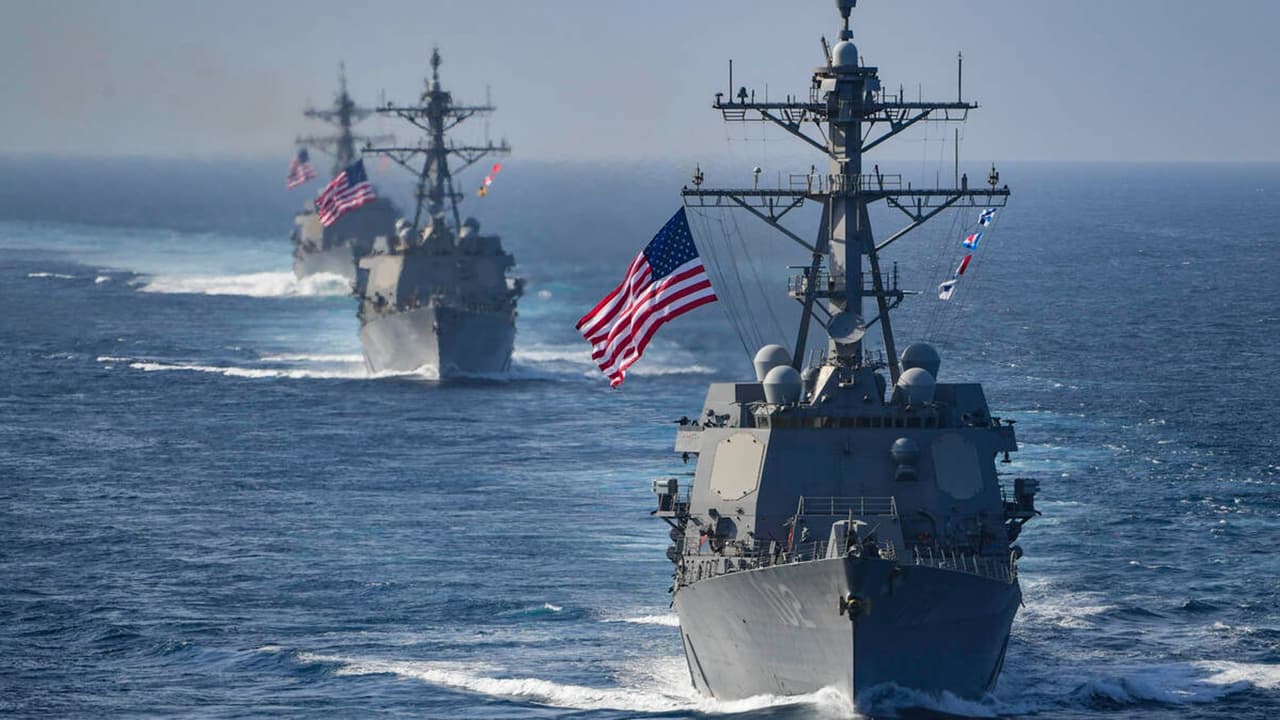
US attacks Iran’s missile-drone bases after alleged drone attack on cargo ship. Iran also retaliated, increasing tensions in the Strait of Hormuz and the entire Gulf region.
US Iran Conflict: The biggest and shocking news of this time is coming out from the Middle East, which has brought the entire world to the brink of a major military crisis. A delicate ceasefire agreement signed between the two forces last week has been torn to pieces. After the drone attack on a commercial cargo ship in the Strait of Hormuz, America has entered into Iran and carried out rapid air strikes. Immediately after this military action, Iran has also sounded the alarm of war by targeting American military bases.
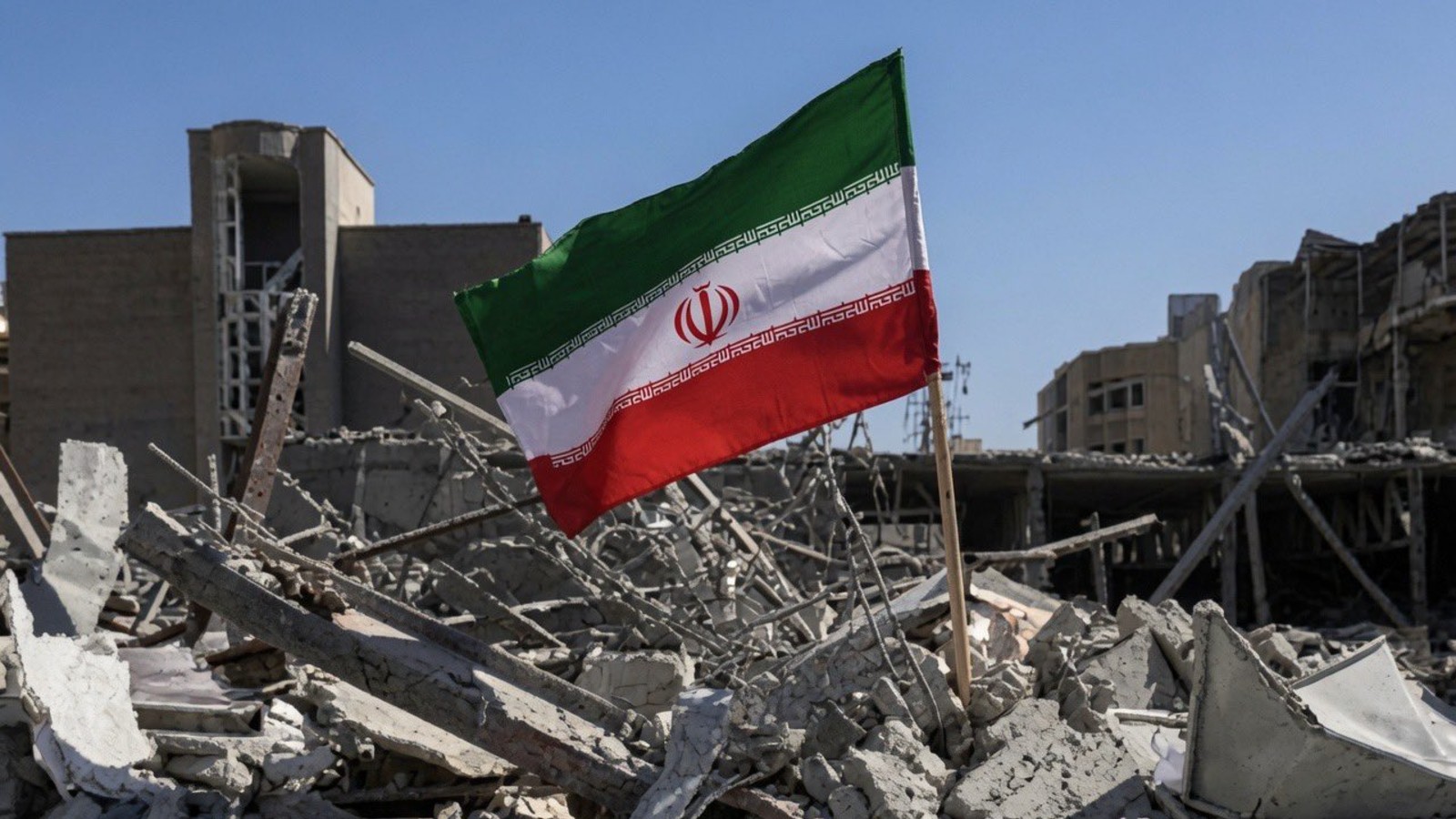
Clash between superpowers at midnight: American missiles rained from the sky
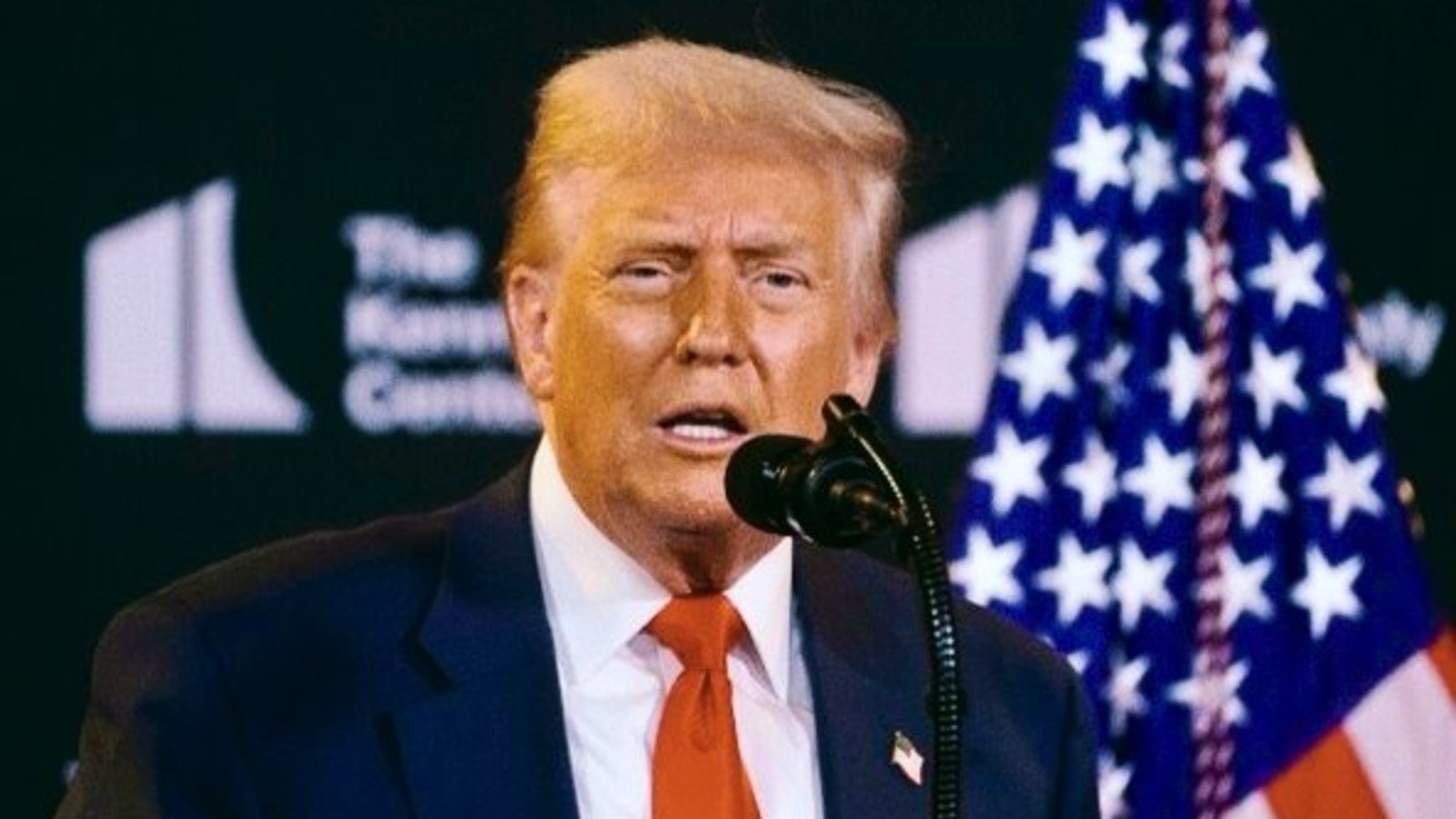
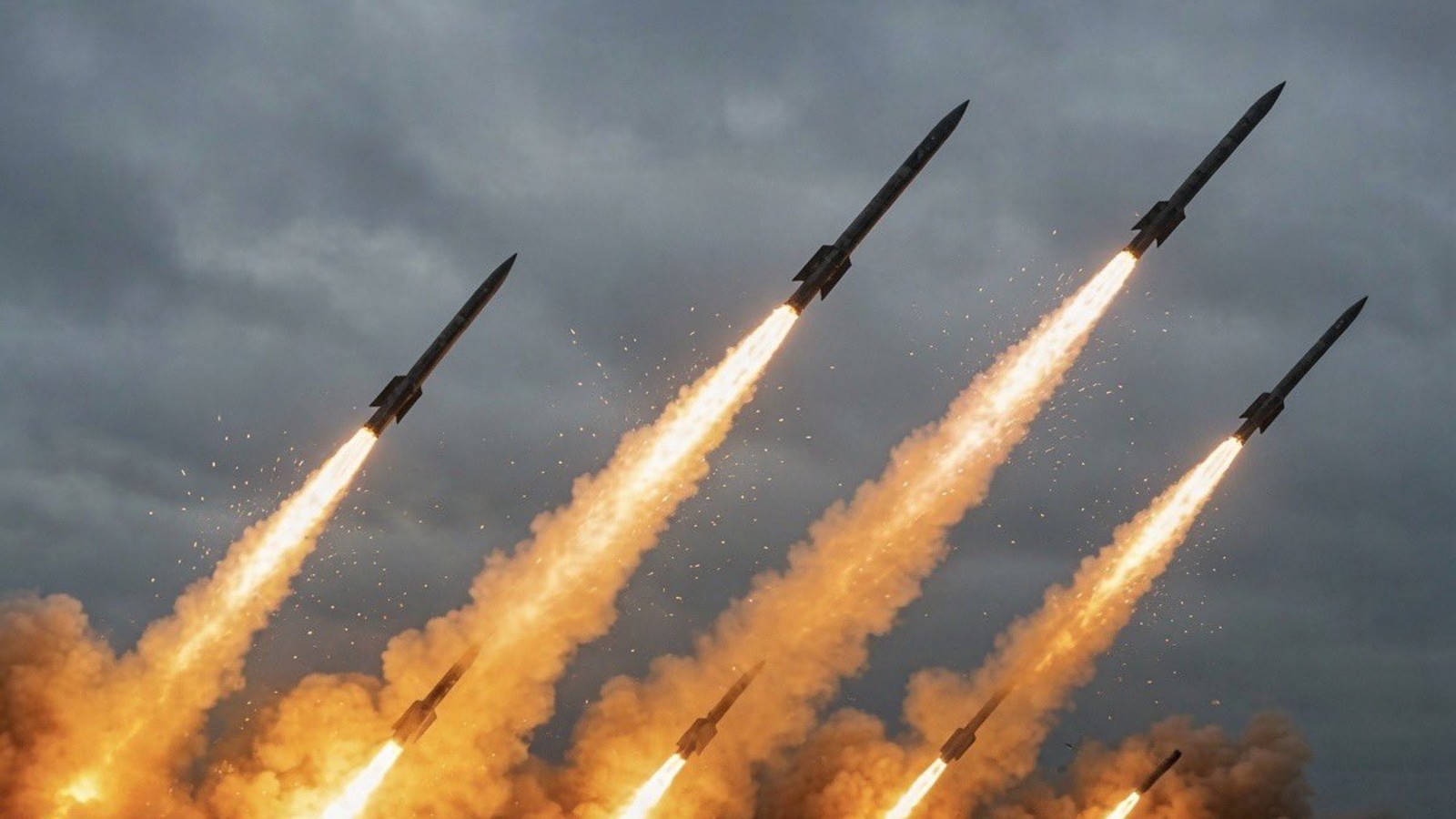
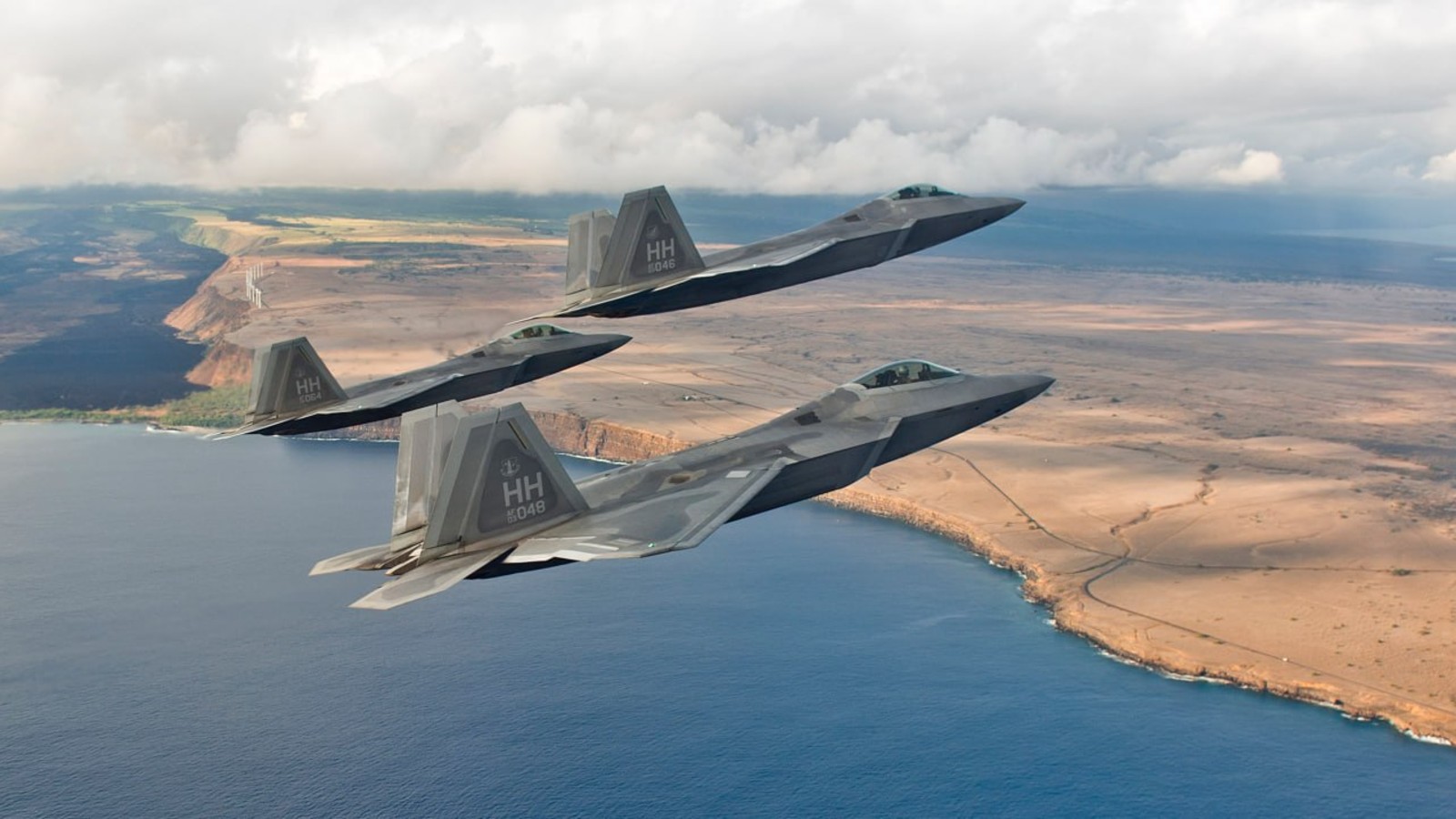
Just minutes after a mysterious signal from US President Donald Trump, Washington carried out its biggest direct military action against Iran to date. When reporters asked Trump whether the US would retaliate, he said in a very serious tone: “You’ll find out.” Shortly thereafter, US Central Command (CENTCOM) announced that US aircraft had launched precision strikes into southern Iran. In this intelligence operation, Iran’s missile silos, drone storage bases and coastal radar sites were directly targeted and destroyed.
That attack on ‘M/V Ever Lovely’: What happened in the waterway?
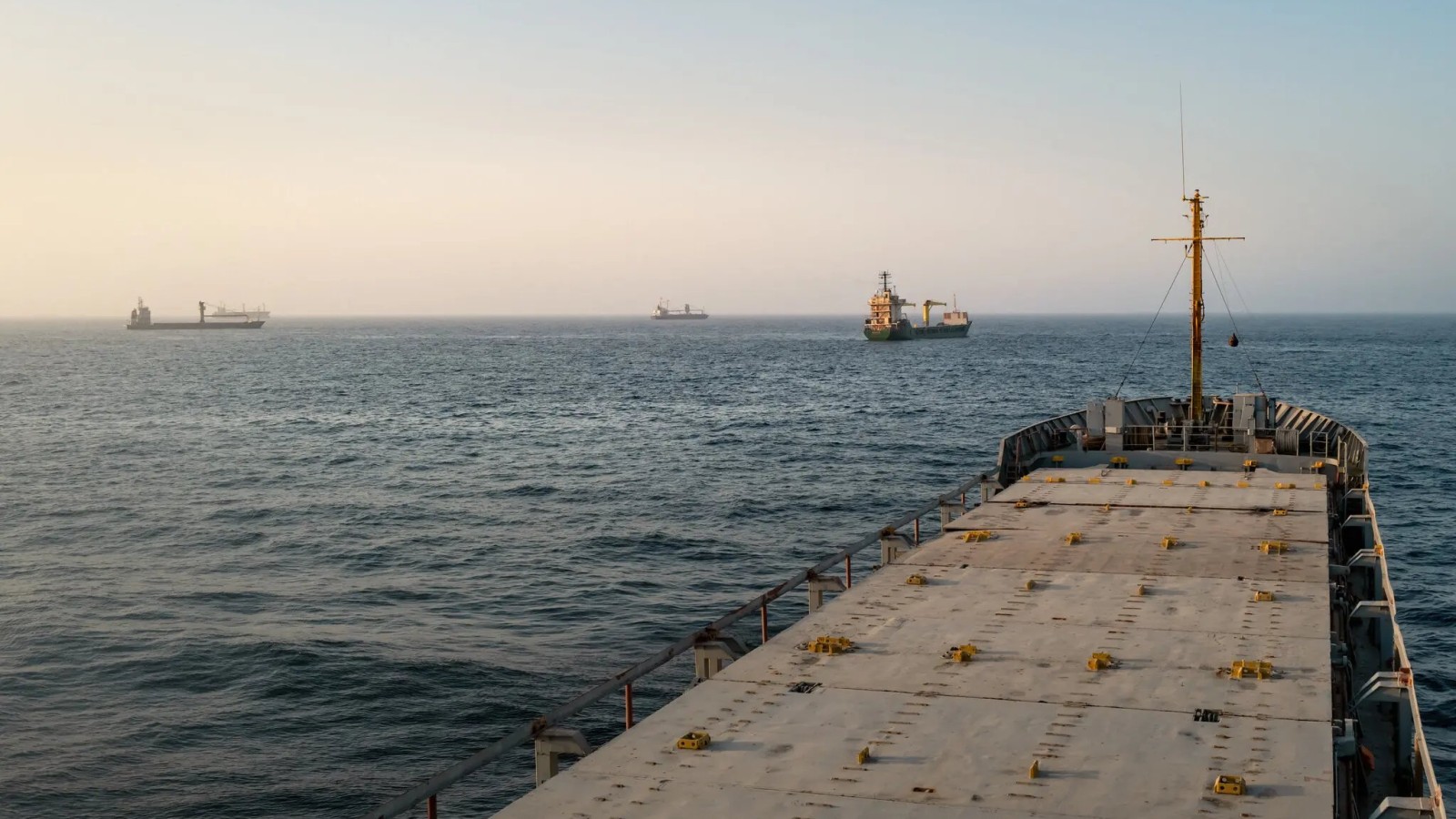
According to the US military, the whole disaster started on June 25, when ‘M/V Ever Lovely’, a Singapore-flagged commercial cargo ship, was suddenly attacked by a one-way suicide drone off the coast of Oman. The ship was passing through the Strait of Hormuz, the world’s busiest maritime trade route. President Trump revealed that the drone had directly targeted the upper deck of the ship, causing massive damage. CENTCOM called it an “unprovoked aggression” against commercial shipping by Iran and a “senseless violation” of the ceasefire.
Tehran’s dreaded counterattack: American military bases targeted
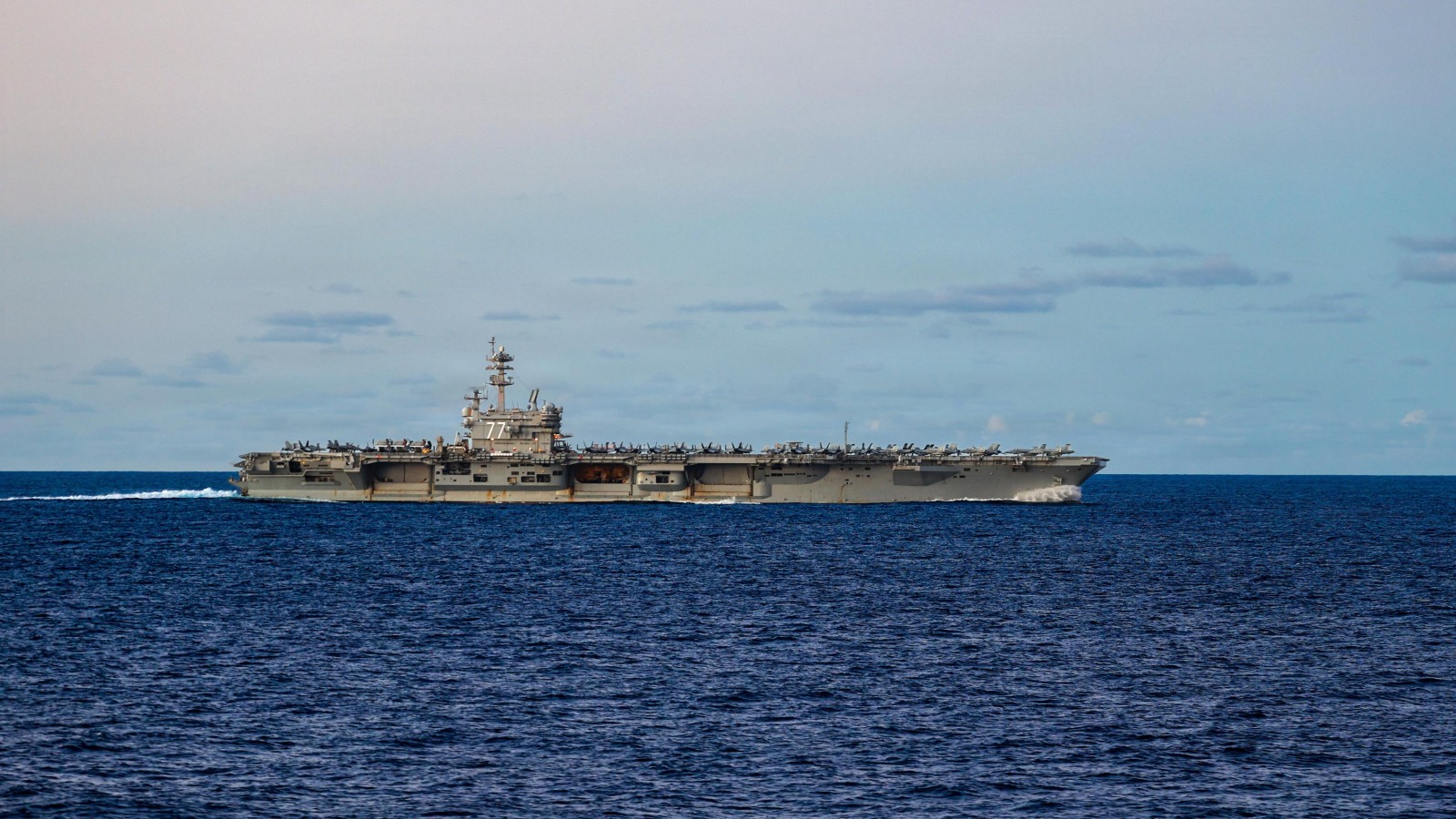
As soon as the American missiles were fired, Iran’s army – the Islamic Revolutionary Guard Corps (IRGC) – without wasting any time, launched a direct counterattack. IRGC openly threatened Washington that it would give a strong response to this act. According to Reuters report, soon after this Iran launched rapid attacks on several American military bases in the Middle East region. Iranian media also claimed that a massive explosion was heard near a pier in the southern port city of Sirik, which could be the result of US strikes. Tehran has made it clear that they will not tolerate any interference in the Strait of Hormuz.
JD Vance’s open warning: ‘Violence will be answered only with violence’
After the tension reached its peak, US Vice President JD Vance shocked the whole world by writing a very aggressive post on the social media platform ‘X’. Vance issued a stern warning to Iran, saying, “Iran signed the ceasefire agreement. We have respected that. If they have any disagreements on how the MOU is being implemented, they can call. But violence will be responded to with violence.” It is clear from this statement that America is no longer in a mood to back down and will maintain a tough stance.
War for occupation of Hormuz waterway: Iran’s ultimatum to Gulf countries
The real crux of this entire dispute is the battle for control of the Strait of Hormuz, through which about one-fifth of the world’s oil and liquefied natural gas (LNG) supply passes. Iran has clearly warned that the security of this strategic waterway should remain only in Iran’s hands. Iran’s Deputy Foreign Minister Kazem Gharibabadi said that safe movement cannot be guaranteed by ignoring Iran’s role. Meanwhile, the news of Oman imposing transit fees on ships and IRGC warning three foreign tankers has created a huge stir in the global energy market.
Double stir in the Middle East: Gunpowder on one side, suspense of peace on the other
Just when the gunpowder was burning in the Gulf region, at the same time another big news came from the diplomatic corridors. A historic framework agreement has been signed between Israel and Lebanon, brokered by the US, aimed at ending hostilities with the Iran-backed Hezbollah group and ensuring a phased withdrawal of Israeli forces from Lebanon. However, the suspense on this peace effort has also deepened as Hezbollah has completely rejected this agreement and refused to cooperate in it, due to which the entire region has gone into a period of uncertainty.