A LinkedIn post on passengers waiting for Uber over readily available Ola cabs at Bengaluru airport sparked debate online. The discussion centred on whether familiarity and trust matter more to consumers than price or convenience.
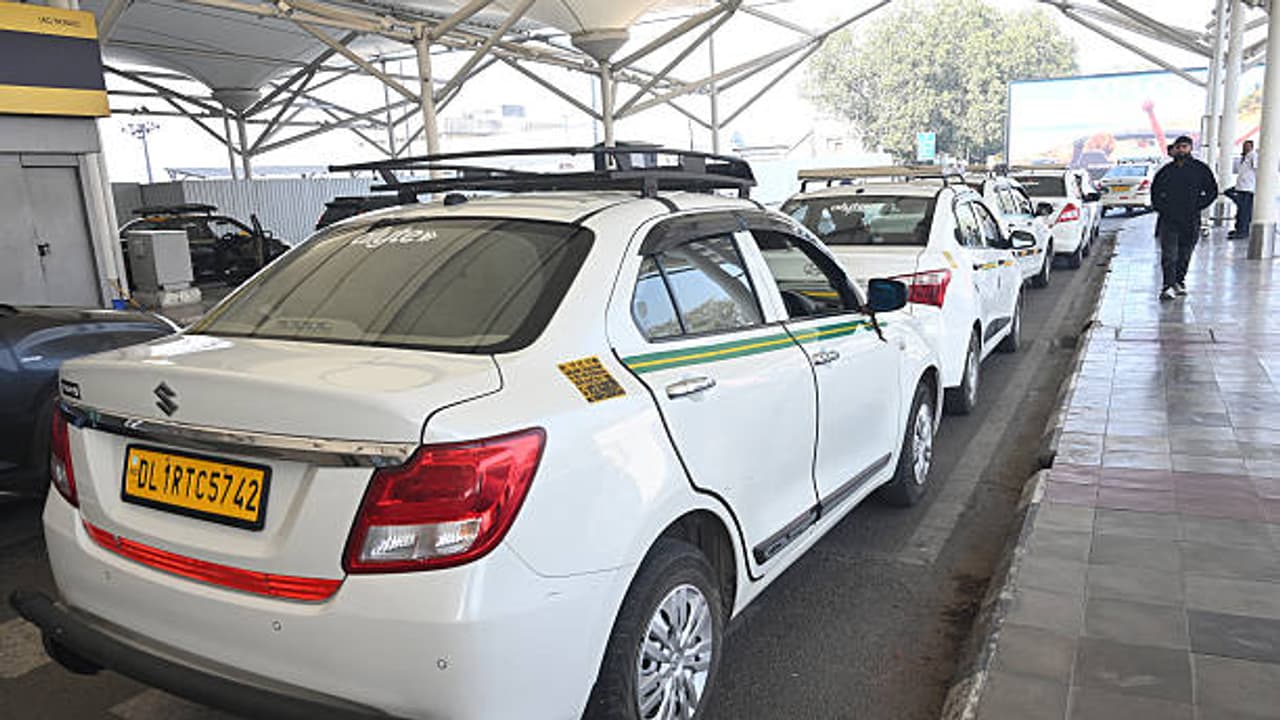
Akash Kotalwar, a Bengaluru-based professional, ignited debate on LinkedIn after sharing an observation from Terminal 2 of Bengaluru’s Kempegowda International. According to Kotalwar, the Uber GO pickup zone was packed, with nearly 30 to 40 passengers waiting and ride pickup times stretching to around 30 minutes. However, Ola had cabs readily available, with staff actively informing travellers that they could get rides immediately.
Yet, despite the obvious convenience, most passengers stayed put.
Kotalwar himself admitted that he cancelled his Uber GO booking but did not switch platforms. Instead, he upgraded to Uber Comfort, choosing to pay more rather than book an Ola cab. He observed that none of the travellers waiting in the Uber queue appeared willing to move to the rival service.
Reflecting on the incident, Kotalwar argued that the behaviour highlighted a broader pattern seen across multiple consumer platforms. He pointed to examples where customers continue choosing Blinkit over Zepto despite lower prices elsewhere, or order through Zomato even when Swiggy offers better discounts.
In his post, Kotalwar suggested that customers are not necessarily driven by loyalty, but by what he described as the “psychological cost of switching”. After a tiring journey, he said, trying another app can feel like an unnecessary gamble, whereas sticking with a familiar service offers predictability and peace of mind.
He added that consumers are often willing to pay a premium not for the product itself, but for the certainty of knowing what to expect. According to him, brands that understand this focus less on competing through discounts and more on building trust and consistency.
The post quickly triggered discussion online, with social media users offering competing explanations for the airport phenomenon.
Some questioned whether exhausted passengers arriving after a flight were consciously weighing switching costs at all. They argued that most travellers simply wanted the fastest and least stressful way to get home.
Others, however, believed the preference stemmed from years of accumulated experiences. One commenter argued that Uber had historically built stronger customer-centric systems, while Ola struggled to deliver the same level of consistency during its formative years.
The user further noted that Uber vehicles are generally perceived as being in better condition, adding that airport rides tend to be longer and more expensive, making reliability a key factor in passenger decisions.