Trinidad and Tobago will be the first Caribbean nation to adopt India’s UPI digital payment system. The initiative is part of a broader strategic partnership, which also includes six new MoUs to enhance trade, investment, and people-to-people ties.
UPI Adoption and Deepening Partnership
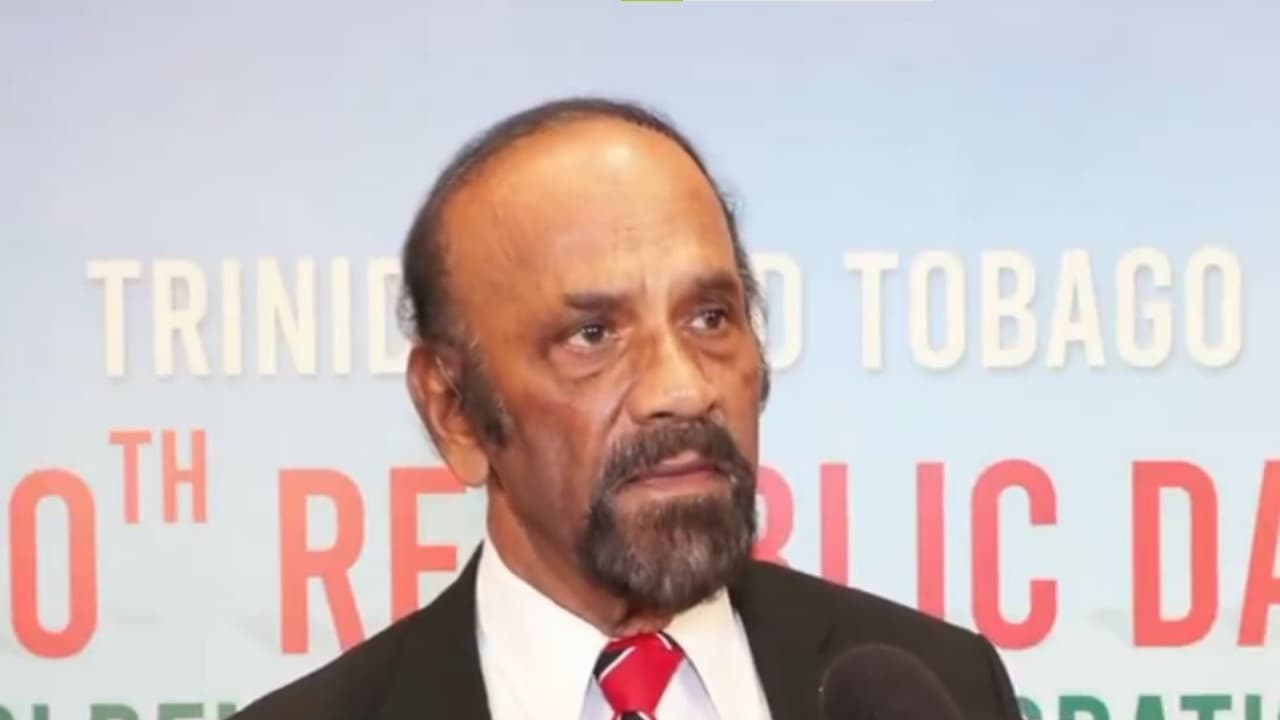
Addressing a Republic Day event marking the 50th anniversary of Trinidad and Tobago becoming a republic, the High Commissioner said the UPI initiative was being actively pursued under a landmark agreement between the National Payments Corporation of India International Payments Limited (NIPL) and Trinidad and Tobago’s Ministry of Digital Transformation. The initiative aims to establish a real-time, efficient digital payment ecosystem in the Caribbean nation, reflecting India’s growing role in digital public infrastructure cooperation, the High Commissioner said.
Highlighting the deepening bilateral engagement, the High Commissioner said Prime Minister Narendra Modi’s recent visit to Trinidad and Tobago resulted in the signing of six Memoranda of Understanding (MoUs) and agreements, laying the foundation for stronger people-to-people ties, trade, investment and technical collaboration. He also noted that India and Trinidad and Tobago were marking 64 years of diplomatic relations, while underscoring the historical connection between the two nations, with Indian indentured labourers arriving in Trinidad 181 years ago. “The level of interaction and collaboration between our friends is strong and mutually beneficial to both of us,” the High Commissioner said.
Economic and Energy Cooperation
On economic cooperation, the High Commissioner highlighted Trinidad and Tobago’s position as a major natural gas producer and said the country was seeking to diversify its economy through investments in energy, manufacturing, agriculture, tourism, biotechnology and creative industries. He said Trinidad and Tobago had been involved in the oil business since 1908 and remained a major natural gas location, with gas production of around 3.3 billion standard cubic feet per day over the past five years. The energy sector accounts for an estimated 35.7 per cent of the country’s GDP and around 78 per cent of its exports, he said.
The High Commissioner also highlighted ongoing energy projects involving international companies, including Shell, BP, ExxonMobil and other firms, noting that these projects represented investments worth hundreds of millions of dollars and could generate employment opportunities.` Referring to the country’s expanding diplomatic role, he said Trinidad and Tobago had secured a non-permanent seat on the United Nations Security Council for the 2027-28 term, receiving 181 votes out of 190 in a single round of voting.
Expanding Diplomatic Role
He thanked India for its support and said the UNSC membership would provide Trinidad and Tobago with an opportunity to contribute to discussions on global peace, security, development and international cooperation. The country’s campaign focuses on combating the illicit trafficking of small arms and light weapons, international policies to mitigate the trafficking of women and children, and artificial intelligence and global security, he said.
Healthcare and Digital Transformation Support
The High Commissioner further highlighted India’s contribution to Trinidad and Tobago’s healthcare and digital transformation sectors, including the recognition of India’s Pharmacopeia Standards and an agreement to establish an Indian Chair on Ayurveda at the University of the West Indies. He also referred to India’s support in providing laptops to local schoolchildren and medical assistance through the Jaipur Foot initiative.
Cultural and Historical Connections
Emphasising the cultural links between the two countries, the High Commissioner said Indian-origin communities had played an important role in shaping Trinidad and Tobago’s national life, with historical connections reflected in its politics, culture and society. He also highlighted cricket as a major bridge between the two nations, recalling the long-standing sporting connection between India and the West Indies.
The High Commissioner concluded by invoking India’s universal message of “Vasudhaiva Kutumbakam”, meaning “The World Is One Family”, and called for stronger cooperation between the two countries. (ANI)
(Except for the headline, this story has not been edited by Asianet Newsable English staff and is published from a syndicated feed.)