Onion is one of the most common things in our kitchen, but a little carelessness regarding it can cause big problems. Onions are renowned for their health benefits, particularly their role in supporting liver function due to the antioxidants and sulfur compounds they contain.
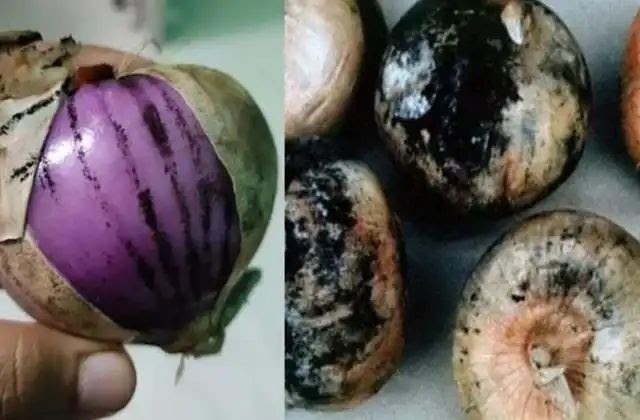
Sometimes the black spots seen on the upper layer of onion are not just soil, but can also be a sign of mold or spoilage.

A study published in the Journal of Diabetes and Metabolic Disorders suggested that onion can help manage liver diseases like non-alcoholic fatty liver disease, but these benefits are available only when the onion is clean and without contamination. Frequently eating black or moldy onions can expose your liver to toxins, increasing the risk of long-term damage. Before cooking onions, it is important to check them for color change, soft spots and strange smell.
Why do black layers form on onions?
Black layer on onion usually forms due to fungal infection. Aspergillus niger thrives in warm, moist areas and can infect onions as they grow. This fungus produces mycotoxins, which are toxic compounds that can accumulate in the body. Over time, eating spoiled or contaminated onions can adversely affect liver function and health. Eating black coated onions can cause mycotoxins to enter your body. These toxic compounds are produced by certain types of fungi that grow in improperly stored or spoiled onions. Prolonged exposure to these toxins can stress the liver and cause it to stop functioning properly. Although a single consumption is unlikely to cause serious harm, repeated consumption can lead to liver disease, digestive problems and other serious health problems over time.
When should onions be thrown away?
If the black spots are limited to the outer peel only and the inner layers are crisp and white, you can peel off the damaged portion and use the rest of the onion. But if the defect is deep inside or the onion has become soft and flabby, then it is better to throw it away. People who are immunocompromised, have uncontrolled diabetes, chronic lung or liver disease, or are taking medications that suppress the immune system should not eat fruits and vegetables that are discolored, moldy, or otherwise spoiled. Onions should be kept in a cool, dry and ventilated place, where there is no moisture, no closed containers and no direct sunlight. Storing in damp, poorly ventilated areas allows fungal spores to grow, and once the outer layers are damaged, they are more likely to rot further.
Note: This article is for informational purposes only and is not a substitute for professional medical advice.