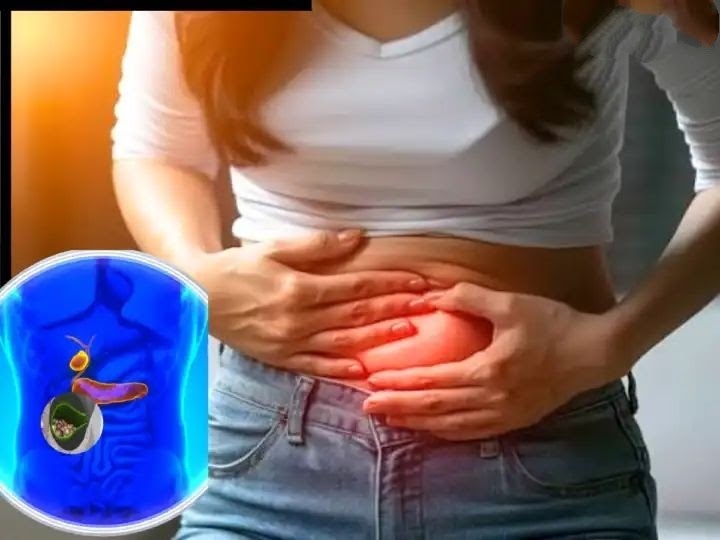
Have you ever heard that some things can form hard lumps (stones) in the stomach? It certainly sounds strange, but according to doctors, this can happen in many cases.
In medical language it is called Bezoar. This is a condition in which food or other substances accumulate in the stomach and form a hard lump. This can cause serious problems like stomach ache, vomiting, constipation and intestinal obstruction. Ignoring it can be fatal. Not only this, in some cases treatment is possible with medicines or endoscopy, while in serious cases surgery may also be required. Now the question is, what is BJOR? Eating which things increases the risk of stomach stones? Let us know about this-
What is BJOR?
BJOR is a hard lump formed in the stomach or intestine. It can form when certain foods are not digested properly and gradually accumulate and become hard. People who have had stomach surgery, have weak digestive capacity or have slow gastric emptying process may be at a higher risk.
These 5 things can increase the risk
Fatty Foods: Eating large amounts of fatty foods increases the risk of gallstones forming. In such a situation, one should avoid eating oily snacks, fast food, junk foods and heavy cream.
Refined Carbs: Consuming refined carbs like white bread, pasta, refined carbohydrates can lead to the formation of stones in the gall bladder. Consuming refined carbs for a long time increases the risk of gallstone formation.
Red Meat: Due to red meat, cholesterol level also increases and the risk of having stones in gall bladder also increases.
Sugar Drink: Consuming excessive amounts of sugary drinks or cold drinks can also lead to the formation of stones. Consuming excessive amounts of sugary drinks increases the level of insulin in the body which can cause stones.
Dairy Products: The amount of fat in dairy products is very high. In such a situation, consuming excessive amounts of dairy products can cause the problem of stones in the gall bladder. Eating full fat like ice cream, cheese, full fat milk can cause stones.
Which symptoms should you pay attention to?
- persistent stomach pain
- frequent vomiting or nausea
- feeling full even after eating small amounts
- loss of appetite
- Symptoms of constipation or intestinal obstruction
How to protect?
Always chew food thoroughly, drink enough water, eat a balanced diet and do not ignore any digestive problem for a long time. If you have persistent stomach pain, vomiting or difficulty in digesting food, immediately consult a gastroenterologist.