Reserve Bank of India
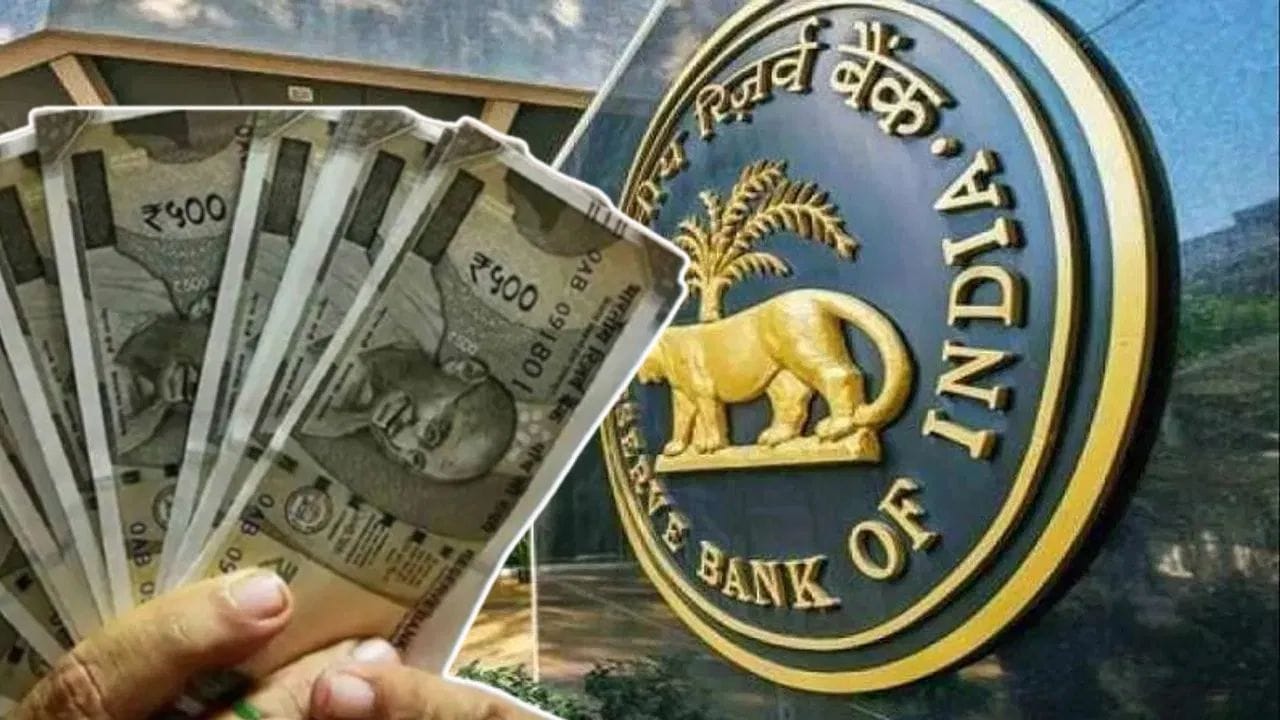
According to a Bloomberg report, the Reserve Bank of India (RBI) may soon give a record dividend to the central government. This will provide a financial cushion to the government at a time when global uncertainty is increasing and energy prices are sky high. Economists included in the survey estimate that RBI will transfer a surplus of about Rs 3 lakh crore to the central government this week. This amount will be more than last year’s record payment (Rs 2.7 lakh crore). This amount is often called the ‘RBI dividend’, and is derived from the earnings earned by the central bank during the financial year.
According to people familiar with the matter, the RBI board meeting is expected to be held on Friday, May 22, in which the transfer will be approved. Although the exact figure has not been declared yet, but according to some estimates this amount may increase to Rs 3.4 lakh crore.
Why big dividend is expected from RBI?
RBI earns income from many types of activities. It earns money through fees associated with investments in foreign exchange reserves, bond holdings, liquidity operations and currency management. Experts believe that the financial year 2026 (FY26) has been quite strong economically for the central bank. It is believed that profits from foreign exchange trading, increased interest rates globally and rising gold prices have led to a significant increase in RBI’s earnings.
As a result, economists estimate that the amount of surplus available to transfer to the government will be larger than normal. In simple words, when RBI earns more than the amount required for its operating costs and reserves, that excess amount is transferred to the government.
Why is this important for the government?
Receiving a big dividend from RBI means that the government gets additional funds without increasing taxes or taking more loans. Its timing can also be very important. Global concerns, particularly tensions related to the Iran conflict, are increasing fears over oil and energy prices. Since India imports a large part of its energy requirements, the rise in prices could lead to inflation and pressure on government finances.
This additional amount of Rs 3 lakh crore can help the government manage its expenses, support welfare schemes, or reduce the pressure on its fiscal deficit. In short, this amount acts as a ‘financial cushion’ in times of uncertainty.
What is a contingency buffer, and why is it important?
Before transferring the surplus money, the RBI sets aside a portion as a contingency buffer, which is also seen as a reserve to deal with financial shocks or unexpected risks. Last year, the central bank kept this buffer at 7.5 percent of its total assets, the highest level in the official range of 4.5 percent to 7.5 percent.
Economists believe that due to global uncertainty, RBI may maintain the buffer even later this year. Still, experts say there is plenty of room to deliver a record dividend. If the projections prove correct, the Center may soon get its biggest ever transfer from the RBI, a timely boost at a time when global risks are rising and economic pressures remain high.