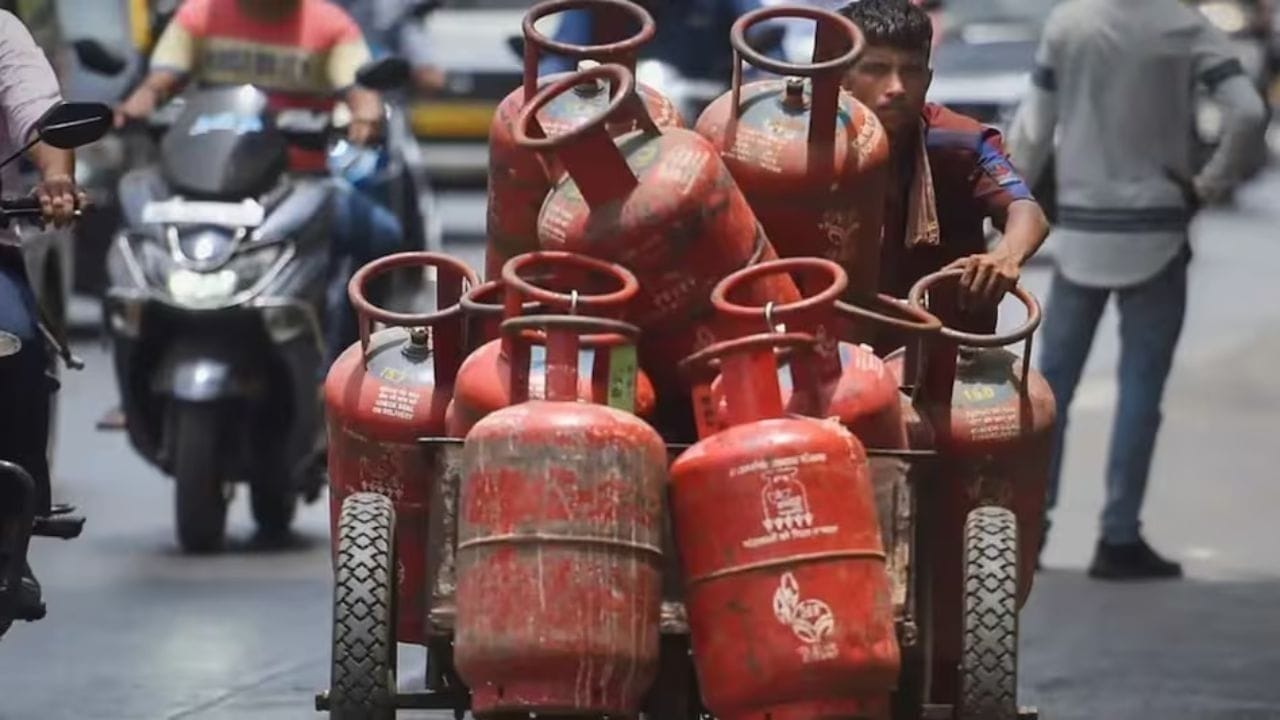
Domestic LPG Cylinder
During the ongoing conflict in West Asia, India made significant changes in its sources of purchase of Liquefied Petroleum Gas (LPG). To reduce dependence on the Gulf region, imports from America, Iran and many other countries were increased, while government fuel companies themselves bore the burden of the huge increase in international prices so that it did not affect ordinary households. Before the conflict, about 90 percent of India’s LPG imports came from West Asian suppliers, leaving the country vulnerable to regional disruptions. According to a CRISIL report, by April 2026, America’s share in India’s total LPG imports will increase to almost one-third, which was only 8 percent in February.
Increased supply from many countries including America
The agreement signed with America for the annual supply of 2.2 million tonnes of LPG by the end of 2025 helped in this change. This quantity is about 10 percent of India’s annual import requirement. Iran also rejoined India’s import sources and accounted for about 6 percent of April’s imports, while supplies also came from countries like Argentina, Chile, France and the Netherlands. This diversity in supply sources helped maintain supplies during the conflict, but at the cost of longer supply chains and higher freight costs. Despite this, the disruptions had a huge impact on demand. LPG consumption declined to 2.47 million tonnes in April from 3.2 million tonnes in February due to reduced usage due to shortage in supply and rising prices.
Sharp decline in consumption
After rising 6 percent to a record 33.2 million tonnes in FY26, LPG consumption in India declined 13 percent year-on-year in both March and April, and by 20 percent in May. Commercial and industrial users were most impacted by the decline. Their consumption declined more rapidly than domestic demand as market consumers reacted quickly to increased prices and supply constraints. Crisil said that due to the conflict there was a huge increase in global LPG prices. Saudi Aramco contract prices (which are the benchmark for Indian imports) rose 46 percent between February and June. The main reason for this was the risks related to supply and high freight costs.
Increase in domestic and commercial LPG
Only a small part of this increase in prices was passed on to domestic consumers. In Delhi, the price of a 14.2 kg domestic LPG cylinder increased by nearly 10 percent between February and June, while the price of a 19 kg commercial cylinder increased by more than 79 percent. The report said the limited increase in domestic cooking gas prices led to a huge surge in ‘under-recovery’ (losses from selling below cost) for oil marketing companies. The reason for this was that the cost of purchase increased much faster than the retail prices. Under-recovery on domestic LPG cylinders in Delhi reached Rs 651 per cylinder in May, while fuel retailers suffered an overall loss of about Rs 22,000 crore during March-May.
Prices may come down soon
Easing tensions in West Asia and the possibility of reopening of key trade routes are expected to ease immediate supply concerns and soften global LPG prices. However, the disruption highlighted the risks associated with India’s continued dependence on imported LPG and procurement from limited sources. The report further said that although procurement from diverse sources and increased domestic production helped mitigate this impact, the sector remains vulnerable to geopolitical turmoil, freight market fluctuations and changes in international energy prices.