Delhi-NCR is experiencing a significant rise in Influenza A (H1N1) cases, commonly known as swine flu. Experts report a surge in positive tests and NCDC data shows 1,777 cases, higher than last year. Precautionary measures are advised.
Delhi-NCR has seen an increase in Influenza A (H1N1) cases, commonly known as swine flu, with experts reporting an increase in positive cases and testing requests from people showing upper respiratory symptoms. According to data cited from the National Centre for Disease Control (NCDC), 1,777 H1N1 cases have been reported, which is higher than the number recorded during the corresponding period last year.
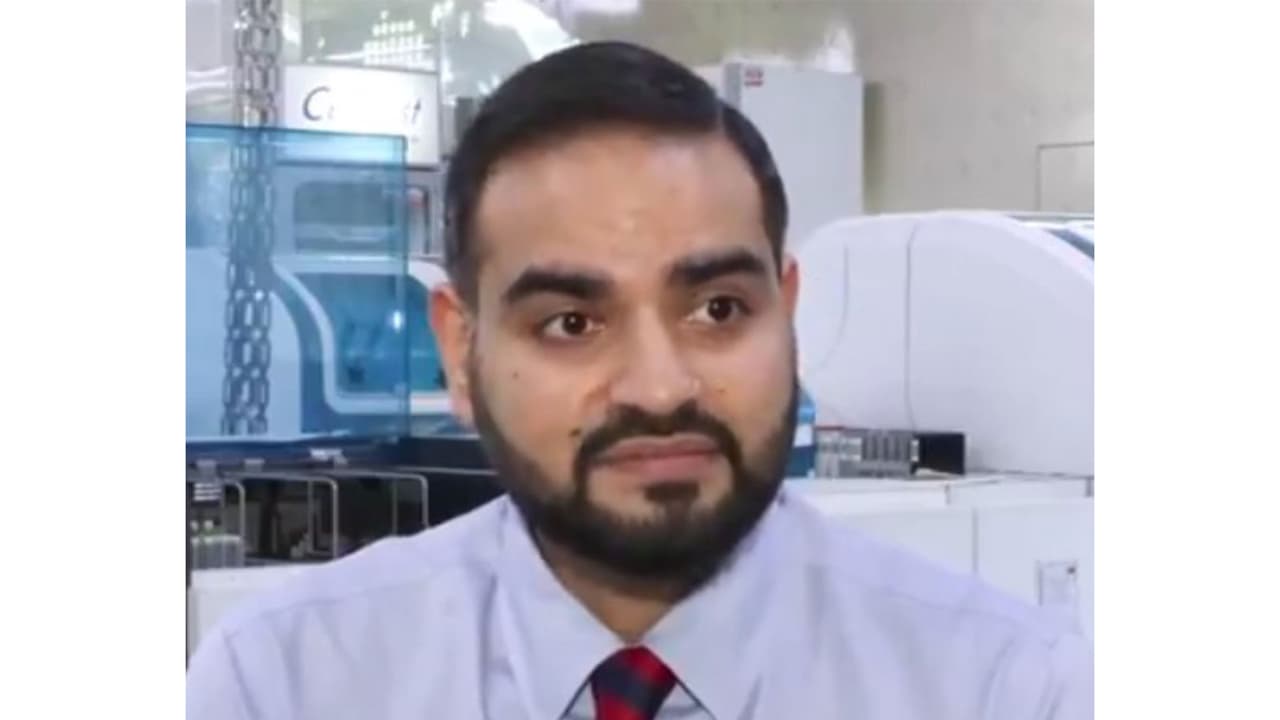
Speaking with ANI, Arjun Dang, CEO of Dr Dang’s Lab, said the laboratory had detected dozens of positive cases in recent weeks amid a marked rise in testing requests. “We are witnessing a significant surge in Influenza A (H1N1), commonly known as swine flu, across Delhi. Over recent weeks, our laboratory has detected dozens of positive cases, alongside a marked increase in testing requests from individuals presenting with upper respiratory tract symptoms,” he said.
Faster Detection Aids Timely Intervention
He said the availability of home-collection services and molecular testing systems was helping in faster detection of the infection and enabling timely clinical intervention. “With standardised, widespread home-collection services and sophisticated molecular testing and reporting systems, we are able to provide results within just a few hours, enabling timely clinical intervention,” he said.
Preventive Measures Emphasised
Emphasising the importance of preventive measures, Dang said public awareness and basic precautions could help limit the transmission of the virus. “Public awareness remains crucial: regular hand hygiene, appropriate masking, and, when a positive result is confirmed — isolation and treatment under the guidance of a physician can help limit transmission,” he said.
Vigilance Urged for High-Risk Groups
He advised people at higher risk, including those with compromised immunity and comorbidities, to remain vigilant and seek medical advice if they develop symptoms. “Immunocompromised individuals and others at higher risk should remain particularly vigilant and seek medical advice and timely testing if they develop symptoms,” Dang said. (ANI)
(Except for the headline, this story has not been edited by Asianetnews Editorial staff and is published from a syndicated feed.)