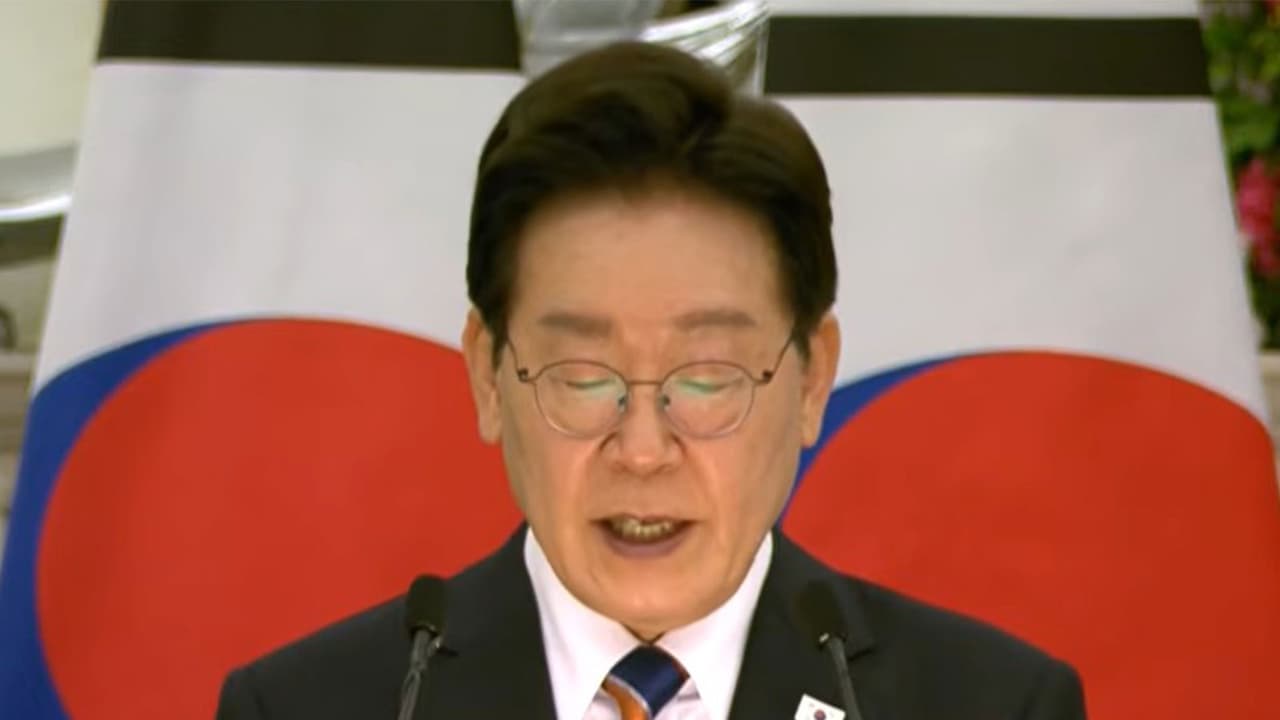
South Korea and India agreed to deepen cooperation in strategic industries, finance, and emerging tech like AI. The two nations will also collaborate on stabilizing energy supply chains and modernise their existing trade agreement (CEPA).
South Korea on Monday called for deeper cooperation with India across strategic industries, finance, and emerging technologies, while also highlighting India’s role in regional and global peace. The two countries also agreed to cooperate on stabilizing energy supply chains to better navigate uncertainties stemming from the war in West Asia.
Addressing a joint press meeting alongwith Prime Minister Narendra Modi, South Korean President Lee Jae Myung said, “The two countries agreed to expand cooperation on strategic industries, combining our respective strengths.”
Expanding Strategic Cooperation
He outlined plans to strengthen collaboration in shipbuilding, finance, AI, and digital infrastructure.
Shipbuilding Partnership
In the shipbuilding sector, Lee noted, “We aim to bring together the outstanding technology of Korean businesses and the policy support of India’s central and local governments in constructing shipbuilding facilities, securing shipbuilding orders, and providing incentives for ship production.” The South Korean President said that that this cooperation would help South Korean companies “seek new opportunities in the Indian market.”
Financial and Fintech Collaboration
On financial cooperation, he said, “The MOU on cooperation between finance service authorities will serve as a foundation for Korean financial institutions to enter India, which is now the world’s third largest.” Both sides also agreed to share regulatory assessment information and expand cooperation in fintech and financial services.
AI and Digital Bridge
Highlighting digital collaboration, Lee said, “Through the digital bridge framework, we will bring, build a foundation for AI and digital cooperation between India with its world-leading AI talent and Korea with its world-class AI infrastructure.”
Global and Regional Peace
On global issues, Lee said both leaders discussed instability in West Asia and agreed that “restoring stability and peace in the Middle East is crucial to global security and the economy.” He also emphasised South Korea’s appreciation for India’s diplomatic support on the Korean Peninsula.
He ” extended…gratitude to the Indian government for their consistent support on this matter,” adding, “Korea looks forward to the constructive role that India will continue to play for peace on the peninsula and within the region.”
He added, ” The two leaders have adopted the Korea-India Joint Summit Leaders’ Statement, which outlines the outcomes of today’s summit talks. We hope that the follow-up measures will be implemented swiftly so that our citizens will see concrete benefits. I am confident that my state visit will serve as a catalyst for deeper trust and friendship between our nations and create momentum for a new leap forward in our comprehensive cooperation.”
“I really look forward to Prime Minister Modi’s visit to Korea, and I hope to continue to talk with you through various other opportunities,” he said while ending his statement.
New Industrial Cooperation Committee
Lee also talked about the establishment of the Industrial Cooperation Committee. “We will establish an Industrial Cooperation Committee, the first ministerial platform for economic cooperation between our two countries,” he said, adding that the body will focus on strengthening ties in trade, investment, and key sectors.
Highlighting priority areas, Lee noted to strengthen cooperation “in strategic areas such as critical minerals, nuclear energy, and clean energy.” These sectors are seen as crucial for long-term economic security and sustainable growth.
Energy Security and Supply Chains
Amid global uncertainties, particularly in West Asia, energy security also featured prominently in the talks. “Considering the current situations in the Middle East, we will sustain cooperation for supply stability of energy resources and key commodities such as naphtha,” he said.
Modernising Trade Agreement (CEPA)
Both sides also agreed to modernise their existing trade agreement. “We agreed to speed up the negotiations to upgrade our CEPA to create more favourable trade and investment conditions,” Lee stated, stressing the need to align with evolving global trade practices.
He added that the upgrade would “fully reflect new trade norms” and help both countries respond effectively to changing supply chains and green growth demands.
(Except for the headline, this story has not been edited by Asianet Newsable English staff and is published from a syndicated feed.)