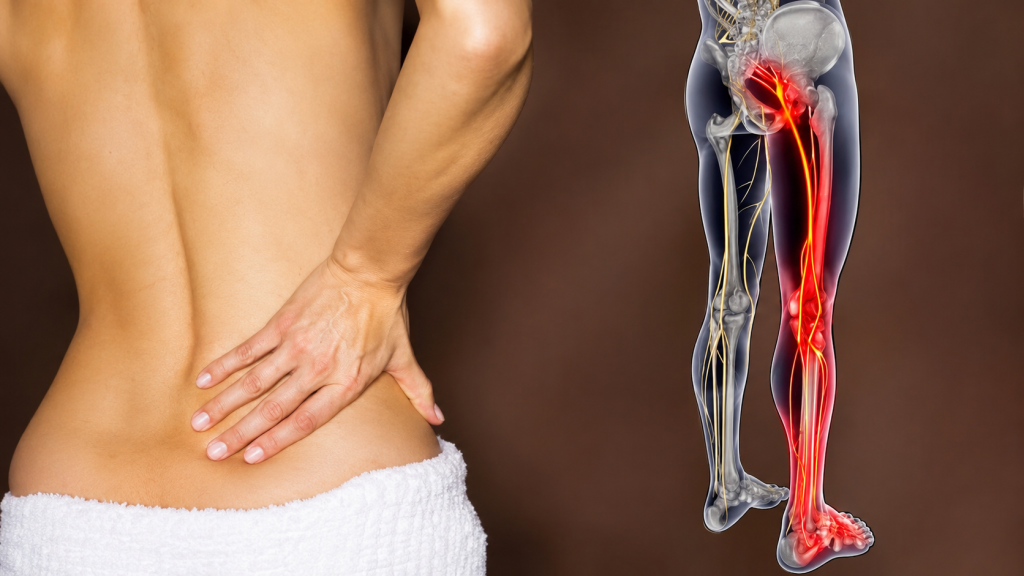
Sciatica – Back pain and leg discomfort are becoming increasingly common among people of different age groups. Prolonged sitting, limited physical activity, poor posture and unhealthy daily routines are among the factors that can contribute to these problems. For some individuals, the discomfort does not remain limited to the lower back but gradually travels through the hips and down one leg. In certain cases, this pattern of pain may be associated with sciatica, a condition involving irritation or compression of the sciatic nerve.
Sciatica can interfere with everyday activities, making it difficult to walk, sit comfortably or carry out routine household and office tasks. Recognising its symptoms and understanding the possible causes can help people seek timely medical advice.
What Exactly Is Sciatica?
The sciatic nerve is the largest and one of the longest nerves in the human body. It originates in the lower spine, passes through the hip and buttock region, and extends down each leg. When this nerve becomes irritated or compressed, it can produce pain that travels from the lower back towards the buttock, thigh and lower leg.
According to information from the Cleveland Clinic, sciatica is a type of nerve-related pain rather than a separate disease. It generally affects one side of the body, although the intensity and location of discomfort can vary from person to person.
Not every case of lower back pain indicates sciatica. The condition is more likely when pain follows the path of the sciatic nerve and is accompanied by sensations such as tingling, burning or numbness in the leg.
Why Does Sciatic Nerve Pain Develop?
Several conditions affecting the spine can put pressure on the sciatic nerve roots. Some of the commonly recognised causes include:
- Herniated Disc: The soft cushioning discs between the spinal bones may bulge or rupture. If the displaced material presses against nearby nerve roots, it can trigger symptoms associated with sciatica.
- Spinal Stenosis: This condition involves narrowing of the spinal canal. The reduced space can place pressure on the nerves and contribute to pain, tingling or weakness in the legs.
- Age-Related Spinal Changes: As people grow older, natural changes in the spine may affect the surrounding nerves. Conditions such as degenerative disc disease can increase the possibility of nerve irritation.
- Lifestyle and Posture: Spending extended periods sitting without adequate movement may contribute to back discomfort and poor musculoskeletal health. However, prolonged sitting alone does not necessarily mean that someone has sciatica.
Identifying the underlying reason is important because treatment depends on the condition responsible for the nerve irritation.
Symptoms That May Indicate Sciatica
Sciatica can cause different sensations depending on the extent and location of nerve involvement. Some symptoms develop gradually, while others may appear more suddenly.
Common warning signs include:
- Pain beginning in the lower back and extending towards the buttock and leg.
- A burning sensation or sharp pain that feels similar to an electric shock.
- Tingling or a pins-and-needles sensation in the leg or foot.
- Numbness or reduced sensation in certain areas of the affected leg.
- Pain that becomes more noticeable while coughing, sneezing or making particular movements.
- Discomfort that generally affects one side of the body.
The intensity may range from mild discomfort to pain that makes walking, standing or sitting difficult.
How Can Sciatica Be Managed?
Many cases of sciatica improve gradually with appropriate non-surgical treatment. Doctors may recommend physiotherapy, specific exercises and medication to manage pain, depending on the patient’s symptoms and medical condition.
Staying gently active, within personal physical limits, is generally preferable to prolonged bed rest. Short walks and professionally recommended movements may help maintain mobility. People who work at desks can also benefit from taking regular movement breaks and maintaining a comfortable sitting posture.
However, exercises should be selected carefully. Movements that increase pain or cause additional numbness should not be continued without medical guidance.
When Should You Seek Immediate Medical Attention?
Persistent pain spreading from the lower back into the leg should be evaluated by a healthcare professional. A doctor may assess muscle strength, sensation, reflexes and movement to determine whether the sciatic nerve is involved. Imaging tests may be advised when clinically necessary.
Certain symptoms require urgent medical attention. These include increasing weakness or numbness in both legs, difficulty controlling urination or bowel movements, and loss of sensation around the genital or anal region. Such signs can indicate serious compression of the nerves in the lower spine and require emergency assessment.
Sciatica should not be diagnosed solely on the basis of back or leg pain. Timely medical evaluation can help identify the actual cause, guide appropriate treatment and reduce the risk of overlooking a more serious spinal condition.