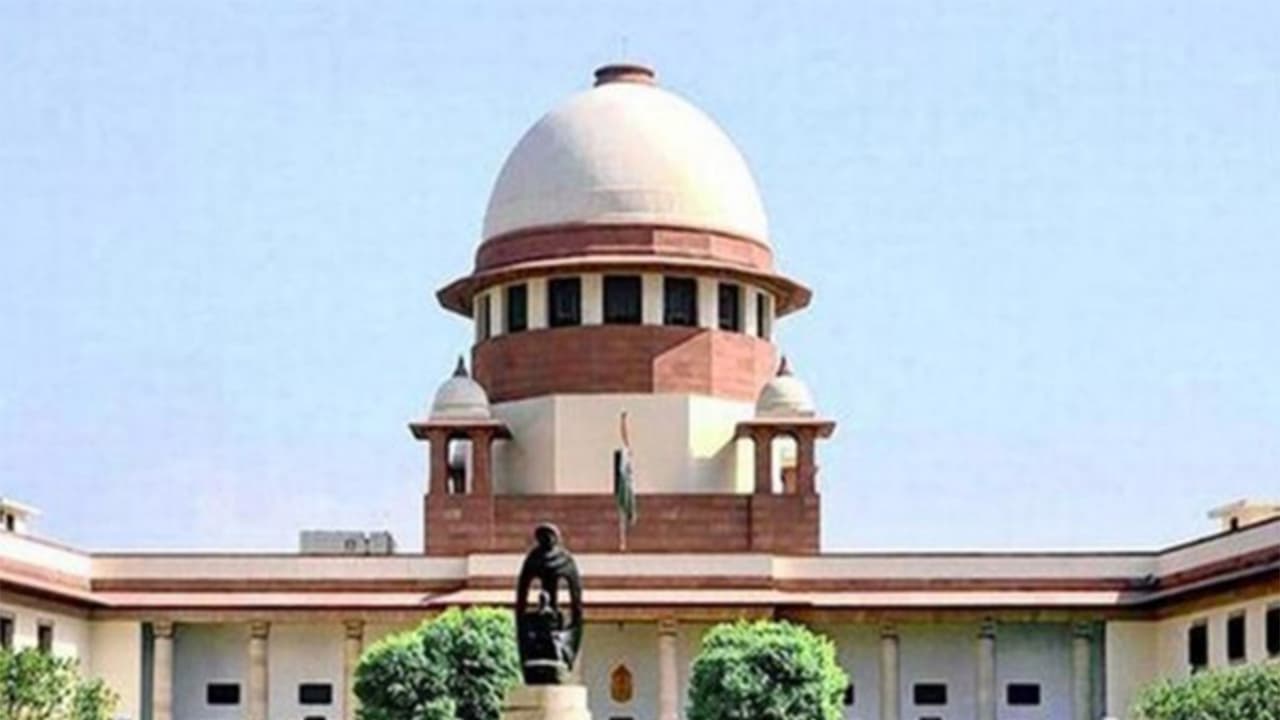
The Supreme Court has mandated video conferencing for hearings on miscellaneous days (Mondays, Fridays) to conserve fuel amid the global energy crisis. Judges are encouraged to carpool, and up to 50% of staff may work from home.
In view of the Centre’s advisory on fuel conservation amid the ongoing global energy crisis linked to the West Asia conflict, the Supreme Court has directed that all matters listed on miscellaneous days, including Mondays and Fridays, as well as during partial working days, shall be heard only through video conferencing until further orders.
Virtual Hearing Directives
A circular issued by the Supreme Court on Friday states: “Matters listed on miscellaneous days (i.e. on Mondays, Fridays, or such other days as declared to be miscellaneous), and matters listed during the Court’s partial working days, shall be heard by video-conferencing only.”
The Registry has also been directed to ensure the timely circulation of video-conferencing links and stable virtual hearing facilities.”The Registry shall ensure that links for the video-conferencing are sent promptly, maintain stable video-conferencing facilities and extend timely technical assistance to avoid any inconvenience to the Hon’ble Court”, the circular says.
Additional Conservation Measures
Carpooling for Judges
The top court has also encouraged car-pooling arrangements among judges to ensure optimum utilisation of fuel. “The Hon’ble Judges of the Supreme Court have unanimously resolved to encourage car-pooling arrangements amongst themselves”, the circular adds.
Work-From-Home for Staff
Additionally, up to 50% of Registry staff in each branch or section may work from home for up to two days a week on a rotational basis, subject to uninterrupted functioning of the Court. Staff permitted to work from home have been directed to remain available on the telephone and be ready to attend the office whenever required. The circular adds: “The concerned officers shall also ensure timely completion of various tasks assigned to them.”
At the same time, the Supreme Court clarified that if a Registrar finds that a work-from-home arrangement is not effective, the Registrar may “restrict or modify such arrangements for that branch or section”. (ANI)
(Except for the headline, this story has not been edited by Asianet Newsable English staff and is published from a syndicated feed.)