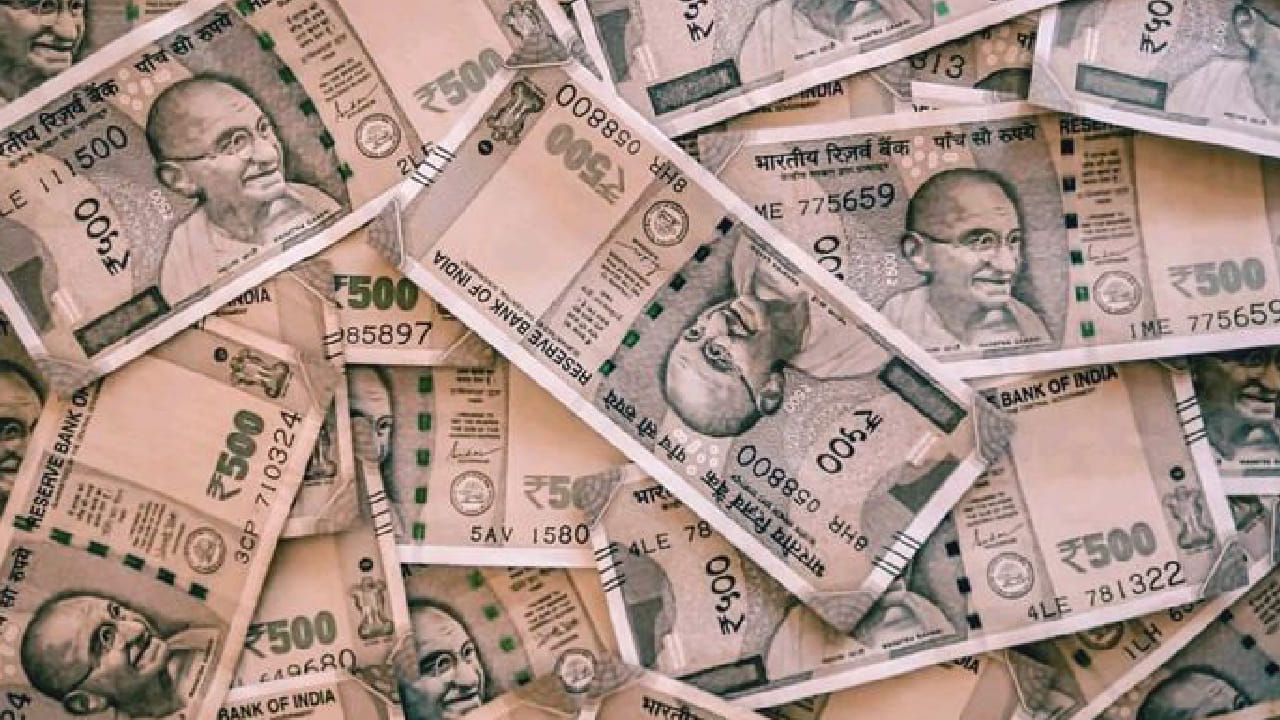
New Delhi: The Indian rupee opened weaker on Friday, slipping 11 paise to 95.87 against the US dollar compared to Thursday’s close of 95.76, as sustained pressure from elevated crude oil prices, rising US Treasury yields and persistent foreign fund outflows dragged the currency lower.
The domestic currency has now fallen for three consecutive sessions and is down about 1.36% this week. The rupee had touched a record low of 95.95 per dollar in the previous session before recovering slightly. Strong dollar demand from oil marketing companies and importers continued to weigh on sentiment.
Why is the rupee falling against the dollar
Market participants said the rupee remains vulnerable as Brent crude hovered near $107 per barrel, keeping concerns alive over India’s import bill and inflation outlook. India imports nearly 90% of its crude oil requirements, making the currency highly sensitive to oil price movements. Ongoing foreign equity withdrawals, high dollar demand from oil marketing firms and limited dollar sales from exporters have added further pressure on the domestic currency.
Rising US Treasury yields strengthen dollar
Pressure on the rupee intensified after the US 10-year Treasury yield rose above 4.50%, approaching a one-year high, pushing the dollar index past 99 and sparking weakness across Asian currencies and equities. Traders said expectations that the US Federal Reserve may keep interest rates elevated for longer, or even raise them further to counter oil-driven inflation, have boosted the dollar globally.
Will RBI intervene to support the rupee
Bankers expect the Reserve Bank of India to continue intervening intermittently in currency markets to curb excessive volatility and slow the pace of depreciation. However, with crude oil prices remaining stubbornly high and the dollar index strengthening, the rupee is likely to remain under pressure in the near term.