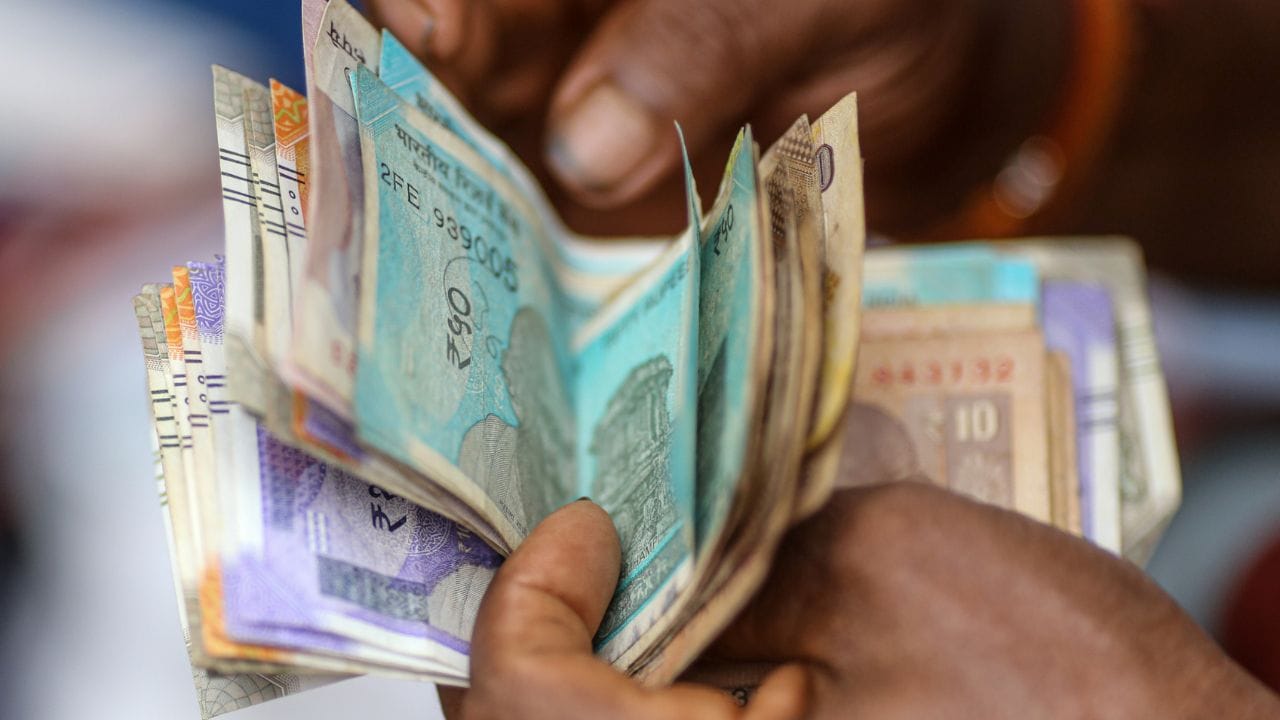
RBI has increased the inflation estimate to 5.1%.Image Credit source: Bloomberg Creative/Getty Images
The rising prices of petrol and diesel may put more burden on the pockets of common people in the coming months. The Reserve Bank of India (RBI) warned on Friday that the recent increase in the prices of petrol and diesel will have a direct impact on inflation and this may increase the retail inflation (CPI Inflation) by about 0.36 percent i.e. 36 basis points.
While announcing the monetary policy, RBI Governor Sanjay Malhotra said that since the month of May, petrol prices have increased by a total of 7.4 percent and diesel prices have increased by 8.4 percent. Its impact will not be limited only here, but will gradually be visible on the prices of other goods and services as well.
How will inflation increase?
When petrol and diesel are expensive, the cost of transportation increases. Due to increase in the cost of trucks, buses, taxis and freight services, the cost of transporting fruits, vegetables, grains, milk and other essential goods to the market also increases. This has a direct impact on consumers and prices of goods start increasing.
RBI says that the increase in fuel prices will not only have a direct impact on inflation, apart from this its indirect effects will also be seen. This means that companies’ costs will increase and they can pass the burden on to customers.
Impact on LPG, chemicals and industries also
The central bank said that the increase in global energy prices is also affecting commercial LPG, industrial raw materials, chemicals, rubber and plastic products. These products are used in many industries. In such a situation, due to increase in production costs, finished goods may also become expensive. Due to this, inflationary pressure may increase further.
West Asia crisis became a big reason
According to RBI, the ongoing war between Iran and America has affected the global supply chain. Due to this, the prices of crude oil and other commodities remain at high levels. India imports most of its crude oil needs from abroad. Therefore, the cost of oil in the international market has a direct impact on India’s economy and inflation.
RBI did not change the repo rate
Despite increasing global uncertainties, RBI has kept the repo rate stable at 5.25 percent. The central bank has also maintained its “neutral” policy, meaning future decisions will be taken keeping in mind the economic data and circumstances. However, RBI has reduced the estimate of economic growth rate (GDP Growth) for the current financial year 2026-27 from 6.9 percent to 6.6 percent. At the same time, the inflation estimate has been increased to 5.1 percent, which was earlier 4.6 percent.
What will be the impact on the economy?
RBI believes that expensive energy products and disruptions in supply can affect economic activities. However, it is a matter of relief that domestic demand in the country remains strong and expansion in manufacturing and service sectors continues. Nevertheless, if oil prices remain high for a long time, inflation may increase further. This will increase the expenditure of common people, increase the costs of companies and may also affect the pace of economic development.
Overall, RBI believes that increased prices of petrol and diesel may take inflation higher in the coming months. In such a situation, the government, industry and consumers will have to be prepared for rising costs and global uncertainties.
Read this also-
RBI Governor gave big signals, danger of inflation increasing, GDP may decrease?
This decision of RBI brought life to the rupee, will it defeat the dollar now?