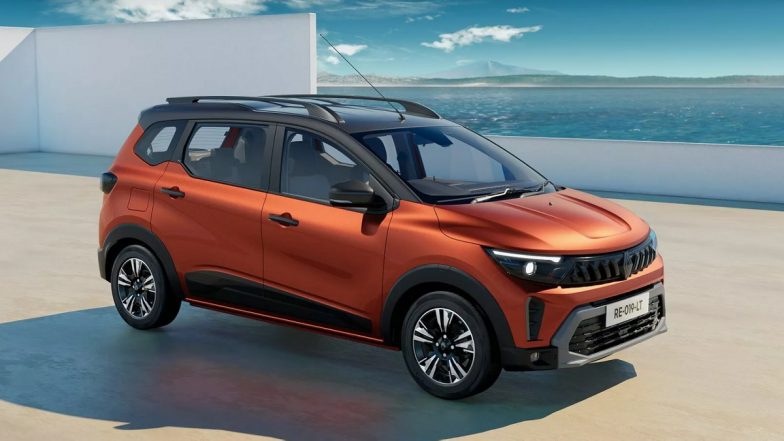
Renault is set to announce the official prices for the much-anticipated Triber turbo engine variants, marking the first time the sub-compact MPV has been equipped with a turbocharged petrol powertrain. The updated lineup aims to address long-standing consumer feedback regarding engine performance, especially when carrying full passenger loads.
The new forced-induction setup introduces significant performance enhancements to the multi-purpose vehicle. As per a by CarWale, the French automaker expects the turbo variants to be positioned in the higher-spec trims to appeal to buyers looking for greater driving dynamism.
Renault Triber Turbo Specifications and Features
Under the bonnet, the vehicle features a 1.0-litre, three-cylinder turbo petrol engine capable of generating 99bhp and 160Nm of torque. Transmission choices for this new iteration include a five-speed manual gearbox and a continuous variable transmission, mirroring the powertrain options found in the Kiger and entry-level Duster variants.
The structural integration of the turbo motor is made possible by revisions to the platform, transitioning to the updated Renault Group Entry Platform to accommodate the powertrain safely. While physical dimensions and interior layouts remain consistent with existing models, the variant introduces crucial performance upgrades without sacrificing the cabin flexibility and modular seating that define the vehicle range.
Renault Triber Turbo Price in India
Pricing strategy remains a critical factor for market competitiveness, with industry analysts anticipating a modest premium over the naturally aspirated versions. Renault is expected to maintain a tight price delta to ensure the model remains attractive against rival offerings in the sub-four-metre segment.
Alongside the standard petrol turbo configurations, industry trackers also anticipate announcements regarding a factory-fitted turbo-CNG variant following recent road test spottings. These additions are designed to strengthen the vehicle value proposition as automotive emission and efficiency norms continue to evolve.