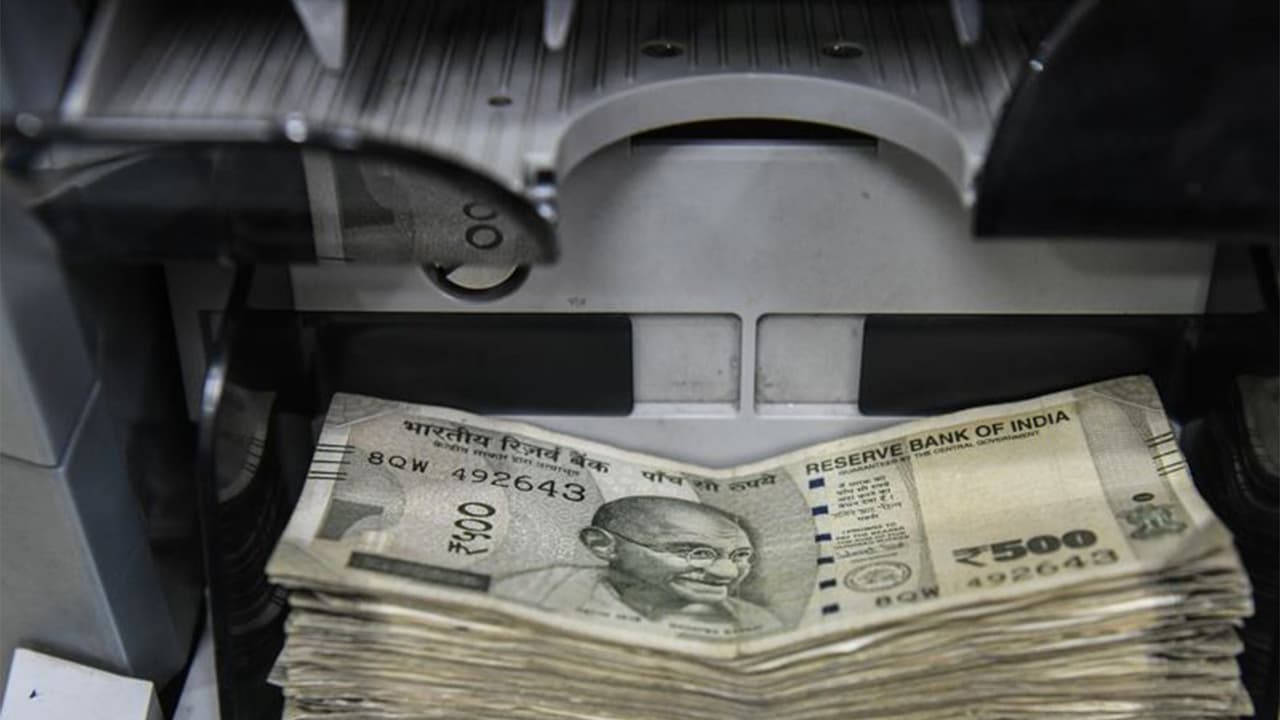
The RBI’s decision to absorb hedging costs for FCNR(B) deposits has drawn a significantly stronger response than its 2013 scheme, mobilising USD 127.2 billion by August-end 2026, according to a Bank of Baroda Research report.
The Reserve Bank of India’s decision to bear the hedging cost for banks mobilising fresh Foreign Currency Non-Resident (Bank), or FCNR(B), deposits has resulted in a significantly stronger response than the central bank’s similar initiative in 2013, according to a Bank of Baroda Research report.
Success of the 2026 FCNR(B) Scheme
The RBI introduced the special swap facility in June 2026 to attract foreign currency inflows by allowing banks to swap fresh FCNR(B) deposits with the central bank, while the RBI bears the swap cost. The measure effectively removed the hedging cost burden for banks and made it more attractive for them to mobilise foreign currency deposits.
The response has been substantial. As of August 31, 2026, banks had mobilised USD 127.2 billion through FCNR(B) deposits under the measures, accounting for more than 90 per cent of the total USD 136.4 billion raised through the RBI’s dollar mobilisation measures.
The pace of mobilisation was also notably strong towards the end of the window. Between August 21 and August 31, FCNR(B) inflows increased by around USD 62 billion, roughly equal to the total accretion seen since the beginning of the scheme.
The RBI had initially kept the FCNR(B) window open until September 30, 2026, but closed it a month earlier on August 31 following the strong inflows.
Comparison with 2013 Initiative
The current response is much larger than the foreign currency mobilisation seen under the 2013 FCNR(B) scheme. Between September and November 2013, FCNR(B) deposits had increased by USD 24.5 billion.
The hedging cost is basically the cost banks pay to protect themselves from changes in the dollar-rupee exchange rate. The Bank of Baroda report noted that the current initiative has effectively addressed one of the key costs faced by banks while raising foreign currency deposits.
“The current measure to attract FCNR (B) deposits is likely to support growth in overall NRI deposits as seen between FY13-16 period,” the report said.
The report also highlighted the difference in the scale of the two episodes. Under the 2013 scheme, FCNR deposits increased from USD 15 billion to USD 45 billion by FY16, contributing to a rise in overall NRI deposits from USD 71 billion in FY13 to USD 127 billion in FY16. The latest RBI measures have therefore generated a much larger initial inflow, with FCNR(B) mobilisation reaching USD 127.2 billion by August 31, 2026.
Potential Impact on NRI Deposits
The Bank of Baroda report said the RBI’s current initiative could help revive growth in overall NRI deposits, which had largely remained flat in FY26 at USD 166 billion, compared with USD 165 billion a year earlier.
Overall, the report sees the latest FCNR(B) initiative as a significant step towards attracting foreign currency into the banking system, with the removal of hedging costs helping make the deposits more attractive for banks and supporting stronger foreign currency mobilisation than the 2013 scheme.
(Except for the headline, this story has not been edited by Asianet Newsable English staff and is published from a syndicated feed.)