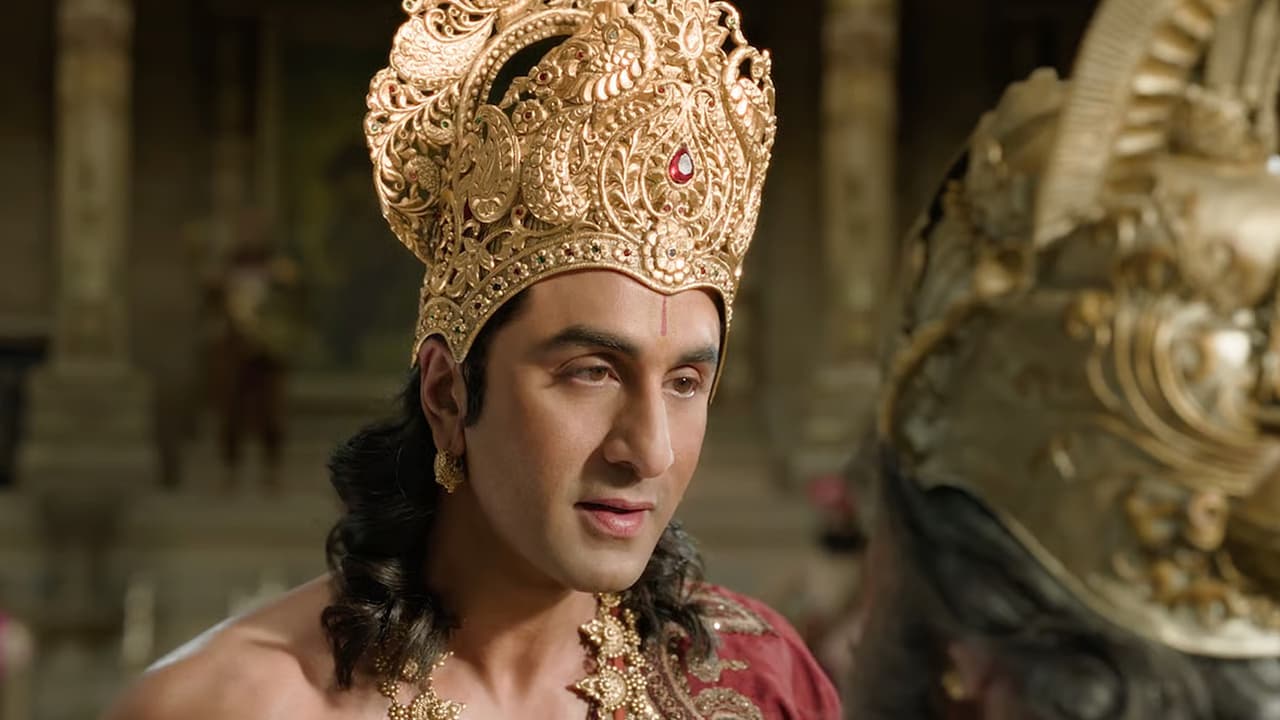
Ramayana Movie Runtime: Ranbir Kapoor and Yash’s Ramayana has reportedly received a U certificate from the CBFC, with its Hindi version running for 195 minutes. Here’s everything to know about its runtime, US rating and post-credit scene
Ranbir Kapoor and Yash’s much-awaited mythological epic Ramayana is generating considerable buzz ahead of its theatrical release. With anticipation building among moviegoers, fresh reports about the film’s censor certification, runtime and international versions have added to the excitement.
Directed by Nitesh Tiwari, Ramayana has reportedly received a U certificate from the Central Board of Film Certification (CBFC). This means the film can be screened for audiences of all age groups without any age-related restrictions in India. The certification details have reportedly appeared on the censor board’s official website.
According to reports, the certified Hindi version of Ramayana has a runtime of 195 minutes, translating to 3 hours and 15 minutes. Given the film’s ambitious storytelling, elaborate action sequences and large-scale visual effects, its extended runtime has become a talking point among fans.
Interestingly, an earlier report by Variety suggested that the English version would be approximately 30 minutes shorter than its Hindi counterpart. If that difference applies to the certified Hindi runtime, the English edit could run for around 165 minutes, or 2 hours and 45 minutes. However, the exact certified runtime of the English version has not been officially confirmed.
Why Has Ramayana Received a PG-13 Rating in the US? What About Its Post-Credit Scene?
While Ramayana has reportedly received a U certificate in India, its English version has reportedly been assigned a PG-13 rating in the United States.
According to reports, the American classification is linked to the film’s violent sequences and graphic depictions of bloodshed. The PG-13 rating recommends parental guidance for children below the age of 13. This creates an interesting difference between the film’s Indian and American certifications, particularly given its mythological subject and action-heavy narrative.
Meanwhile, a special screening of Ramayana in Los Angeles has sparked speculation about a possible post-credit scene. Reports suggest that the sequence could offer a glimpse of Lord Hanuman, potentially setting up his appearance in the next instalment.
Sunny Deol is reportedly playing Lord Hanuman in the film. However, neither the exact contents of the post-credit scene nor its connection to the sequel has been officially confirmed by the makers. Until an announcement arrives, the speculation remains unverified.
Ramayana Story, Star Cast And Release Date: Everything To Know
According to the film’s official synopsis, Ramayana revolves around the battle between good and evil, following the rise of Ravana, the demon king who conquers the three worlds.
The story begins when Ravana establishes his dominance over the three realms, believing himself invincible because only a human can defeat him. To restore balance, Lord Vishnu takes birth as Prince Rama. Fulfilling his father’s promise, Rama leaves for exile alongside his devoted wife Sita and younger brother Lakshmana.
Their journey takes a dramatic turn when Ravana abducts Sita, prompting Rama to prepare for an epic battle against the demon king.
The film features an ensemble cast led by Ranbir Kapoor as Lord Rama and Yash as Ravana. Sai Pallavi plays Goddess Sita, while Ravi Dubey portrays Lakshmana and Sunny Deol essays the role of Lord Hanuman. The supporting cast includes Arun Govil, Lara Dutta, Vivek Oberoi, Rakul Preet Singh, Indira Krishnan and Kunal Kapoor.
Directed by Nitesh Tiwari, the ambitious project is reportedly being prepared for release in approximately 40 languages, reflecting the makers’ plans to reach audiences across India and international markets.
Ramayana is currently scheduled to arrive in theatres worldwide on November 5, 2026. With its extensive runtime, international release plans and much-discussed post-credit scene, the film is shaping up to be one of the most anticipated cinematic releases of the year.