The Parliament deadlock over the Public Examinations Bill, 2026 is resolved, with a discussion set for Tuesday. The Bill, prompted by NEET-UG protests, proposes stricter penalties for paper leaks, including up to 10 years jail and a Rs 10 crore fine.
The deadlock in Parliament over the Public Examinations (Prevention of Unfair Means) Amendment Bill, 2026, is expected to be resolved as all major political parties have agreed to commence a discussion on Tuesday, sources said.
Consensus Reached for Discussion
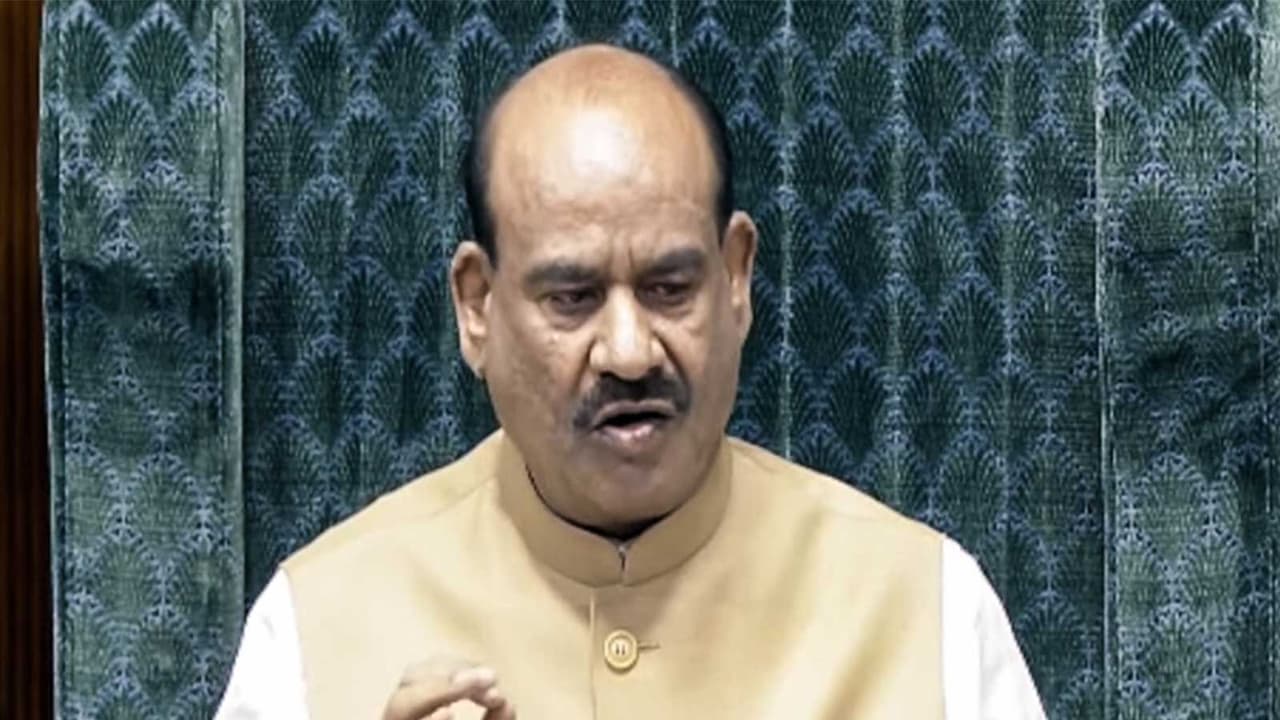
Both Houses of Parliament were earlier adjourned for the day amid disruptions from the Opposition members. Lok Sabha Speaker Om Birla had offered a dedicated six-hour window for a comprehensive discussion on the Public Examinations Bill, stressing that a unified approach is essential to reform the country’s competitive examination system. The initiative taken by Lok Sabha Speaker Om Birla and the continuous dialogue maintained within the House have yielded positive results. As per sources, Om Birla engaged with the floor leaders of various political parties. Consequently, both the ruling party and the opposition reached a consensus to hold a detailed discussion on the bill on Tuesday.
Bill Aims to Curb Unfair Practices
This Bill, introduced in the backdrop of nationwide protests over the NEET-UG paper leak, aims to effectively curb paper leaks, cheating, organised examination mafias, and other unfair practices in public examinations. The Bill was introduced in the House by Union Minister Jitendra Singh.
Increased Penalties and Fast-Track Courts
The punishment for individuals in the amendment Bill has been increased from upto five years to “five years but which may extend up to ten years,” and a fine up to Rs 50 lakhs. The minimum punishment for organised crime is proposed to be raised to seven years, replacing the minimum five years jail term in the existing law, and the fine is proposed to be raised up to Rs 10 crore.
The amendment also provides for Special Fast Track Courts to try offences under the Act.
Government Urges for Cooperation
Union Parliamentary Affairs Minister Kiren Rijiju had also asked the opposition leaders to allow the discussion. He also said that more time for discussion can be allowed if the opposition demands. “All the members have come prepared (for the discussion). Several opposition members have also given the amendments and have come prepared. The Bill is significant for the students and youth. Congress and some of its allies are deliberately not allowing a discussion on the Bill. The Speaker has given six hours, if you want, we will give more time for discussion. Still, you are doing this, this is not good. If would tell Congress that their image has been spoilt, they should not do such things. All parties should discuss the Bill important for the youth,” Rijiju told the Lower House. (ANI)
(Except for the headline, this story has not been edited by Asianet Newsable English staff and is published from a syndicated feed.)