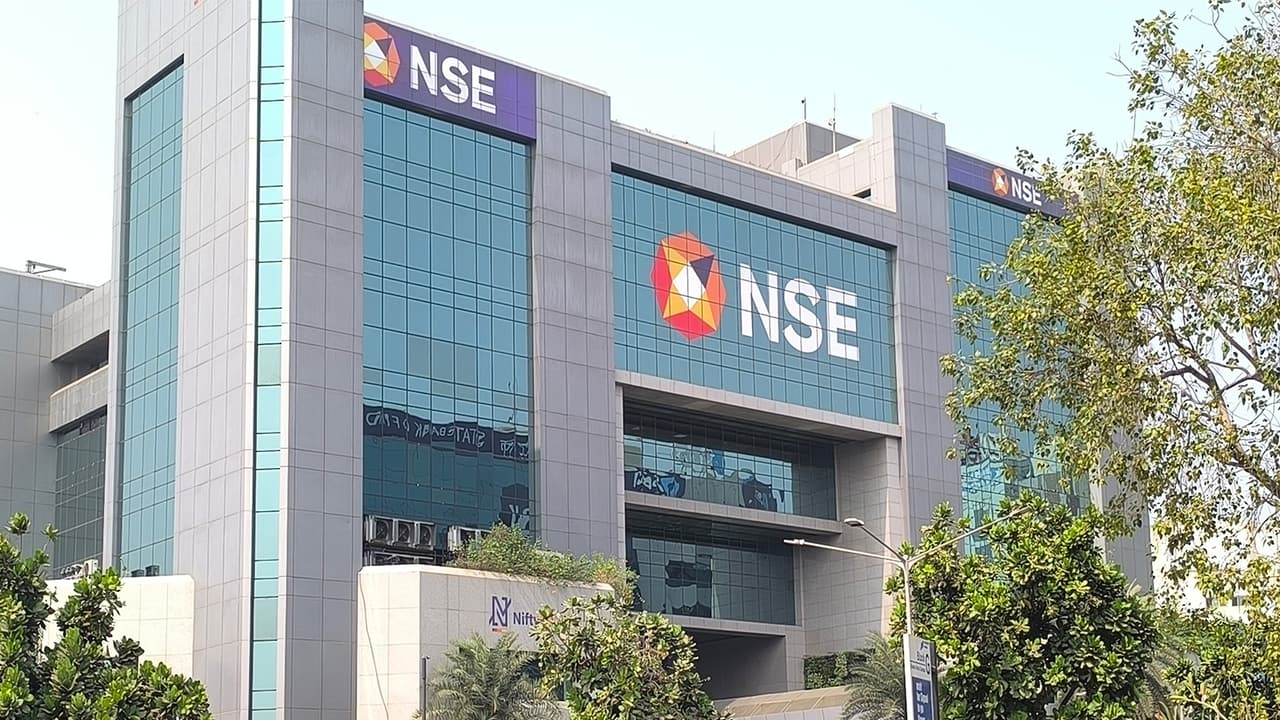
Indian markets ended lower, with Nifty and Sensex diverging due to the NSE’s new Closing Auction Session. This new mechanism caused increased volatility, described by experts as ‘initial teething issues’ expected to subside as the system matures.
Expert Flags ‘Teething Issues’ in New System
Vinod Nair, Head of Research at Geojit Investments, said the combination of Tuesday’s weekly expiry and the new mechanism for determining F&O closing prices distorted market trends.”Tuesday’s weekly expiry, combined with the implementation of the new mechanism for determining F&O closing prices, has led to a distortion in market trends. The significant gap between the 3:30 p.m. and 3:40 p.m. closing prices of Nifty stocks and the index, along with the divergence with Sensex, suggests that the new system is not functioning as intended, resulting in heightened price volatility,” he said.He added that the increased volatility had triggered forced square-offs of positions, particularly among retail investors, ahead of the 15-minute blind derivatives window closing session.Nair, however, described these as “initial teething issues”, saying the exchanges and the market regulator need to address the discrepancies. He said the impact is currently limited to the F&O segment and the main indices and does not reflect any fundamental structural concerns.According to him, the broader economic and financial outlook remains strong, and the current volatility is expected to subside as the exchanges return to their normal operating structure.
Sectoral and Global Market Performance
Among the sectoral indices on the NSE, Nifty Media was the top performer, gaining 2 per cent, while Nifty Metal rose 0.91 per cent. On the downside, Nifty FMCG fell 0.88 per cent, Nifty Auto declined 0.44 per cent, Nifty Pharma slipped 0.24 per cent, and Nifty PSU Bank edged lower by 0.08 per cent.Meanwhile, Brent crude oil prices declined more than 2 per cent to close at USD 85.66 per barrel.Asian markets ended mixed. Japan’s Nikkei gained 0.35 per cent to close at 63,980, while South Korea’s KOSPI advanced 1.60 per cent to 6,358. On the other hand, Hong Kong’s Hang Seng fell 0.60 per cent to 25,854, and Taiwan’s Weighted Index slipped 0.06 per cent to 43,360.(ANI)(Except for the headline, this story has not been edited by Asianet Newsable English staff and is published from a syndicated feed.)