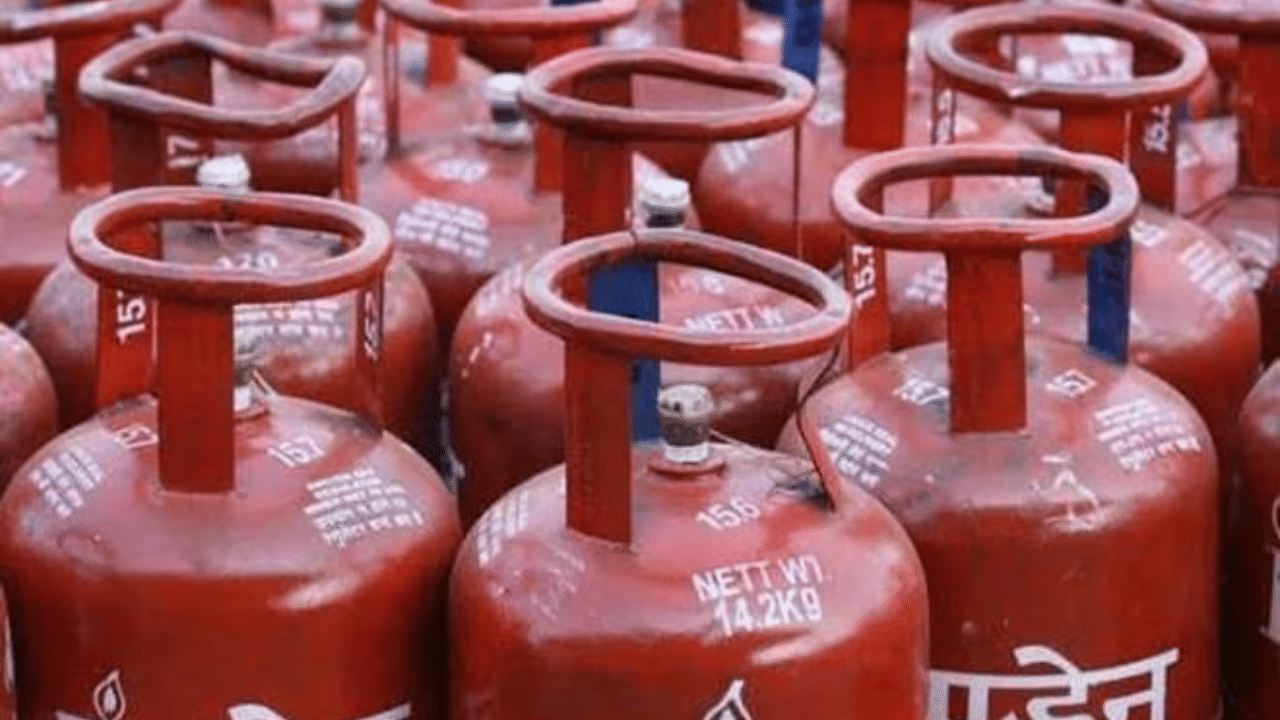
The Ministry of Petroleum and Natural Gas has enforced a nationwide overhaul of the domestic cooking gas system which starts from May 1, 2026. This sudden policy shift is a direct response to global energy supply chains being stretched thin by ongoing tensions in West Asia. The government aims to stop the illegal diversion of subsidized cylinders and ensure that every household has a reliable fuel supply during these uncertain times.
The booking process
One of the major shift is how soon you can request another gas refill. Spaced out timing helps keep stock under control, officials say. Consumers in urban area face a pause of 25 days between two orders, earlier it was 21 days. Meanwhile, in the rural areas, people have to wait even longer meaning a gap of 45 days between deliveries. What used to take less time now demands more patience. Starting today, the online booking tool blocks reservations made too soon. This means grabbing extra cylinders ahead of time won’t work anymore.
Delivery system streamlined
The days of simply showing a paper receipt or a “blue book” are over. Instead, the delivery authentication code (DAC) is now compulsory before any cylinder is delivered. Once the customer schedule a booking, an OTP pops on your phone number. Hand that OTP over to the delivery boy, only then you will be given the delivery of gas cylinder. Just in case, the digital handshake fails, the gas will not be delivered. The digital booking system will now automatically reject any “early” requests, making it impossible to stock extra gas. Now, you cannot stock up cylinders for future needs no matter what.
No room for dual connection
If you have both piped gas and LPG connection, then you have to let go of your LPG cylinder as per new rules. The govt insists on cleaner records by verifying users through Aadhaar linked checks, especially for those under the Ujjwala scheme. So, new rules will now allow just “one kitchen, one fuel” policy. Those having both PNG and LPG connections must give up their cylinder connection without delay.
(Curated by: Faiza Nazar)