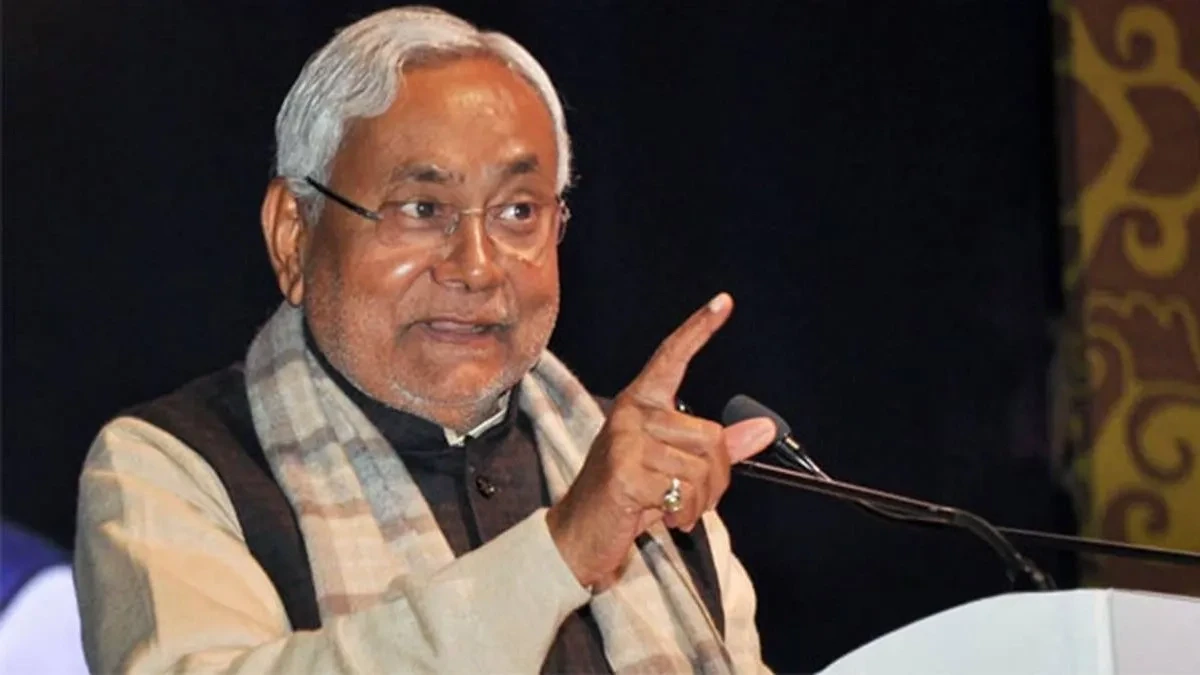
Nitish Kumar resigned as Bihar Chief Minister on 14 April 2026, closing a long political chapter. For almost twenty years, Bihar’s power structure revolved around Nitish Kumar, whose tenure is linked with policy reforms and welfare schemes that later shaped national programmes across sectors such as education, water and social justice.
Nitish Kumar gained a reputation as ‘Sushasan Babu’ because welfare delivery improved for many people, especially in rural areas. Despite several alliance shifts after 2013, a large section in Bihar, particularly women voters, continued to treat Nitish Kumar as a reliable political choice and associated name with stability.
Nitish Kumar Resignation and welfare model politics
In Bihar’s political conversation, Nitish Kumar is often remembered for welfare-centred decisions more than slogans. Cash transfers to women’s bank accounts, support for girls completing Class 12 and graduation, and schemes focused on daily needs helped Nitish Kumar build direct contact with households and turned welfare policy into a political identity.
One of the most visible steps was the free bicycle scheme for girl students. Under this initiative, school-going girls received bicycles so travel to distant schools became easier and safer. The scheme is credited with improving girls’ enrolment and retention, and several other states and the Union government later introduced similar programmes.
Nitish Kumar Resignation and education, nutrition reforms
The mid-day meal programme already existed nationally, but its implementation in Bihar changed during Nitish Kumar’s rule. The state government expanded coverage and tightened delivery systems so hot meals actually reached children. Over time, the scheme became a central tool across India to improve nutrition and keep children attending government schools regularly.
For women’s economic participation, the JEEViKA self-help group initiative was another major policy move. Under this model, rural women joined groups that accessed credit, training and market links. Many women started micro-enterprises and gained financial control. The Union government later adopted the self-help group framework on a larger scale in different states.
Nitish Kumar Resignation and social justice agenda
Nitish Kumar also focused on groups that had remained on the margins of welfare schemes. The government identified the Mahadalit category among Scheduled Castes and launched targeted programmes for housing, education and livelihood. This effort sought to connect the most deprived communities with state support and bring them closer to mainstream social and economic activity.
Local democracy changed when Bihar reserved 50% seats for women in panchayat elections. This decision increased women’s presence in grassroots politics and altered village-level power relations. Several other states later adopted similar quotas, which strengthened women’s leadership in local bodies and created a pipeline of women politicians beyond Bihar.
| Scheme / Initiative | Primary Objective |
|---|---|
| Free bicycle scheme for girls | Increase school attendance and reduce dropout among girl students |
| Mid-day meal strengthening | Improve nutrition and school retention for children |
| JEEViKA self-help groups | Enhance rural women’s income and financial autonomy |
| Mahadalit-focused schemes | Target welfare to the most marginalised caste groups |
| Har Ghar Nal-Jal | Provide piped drinking water to rural households |
Through the Har Ghar Nal-Jal initiative, the Bihar government worked to supply piped water to every rural home. The scheme aimed to reduce dependence on handpumps and unsafe sources. Later, the Union government’s ‘Jal Jivan Mission’ drew on similar principles to expand household tap connections across India and improve access to drinking water.
Nitish Kumar’s term in office extended beyond Bihar’s borders through these policies, which influenced central schemes and state practices. After Nitish Kumar’s resignation on 14 April 2026, debate about the next Chief Minister intensified, yet discussions on governance still frequently return to this policy legacy and its long-term impact on welfare politics.