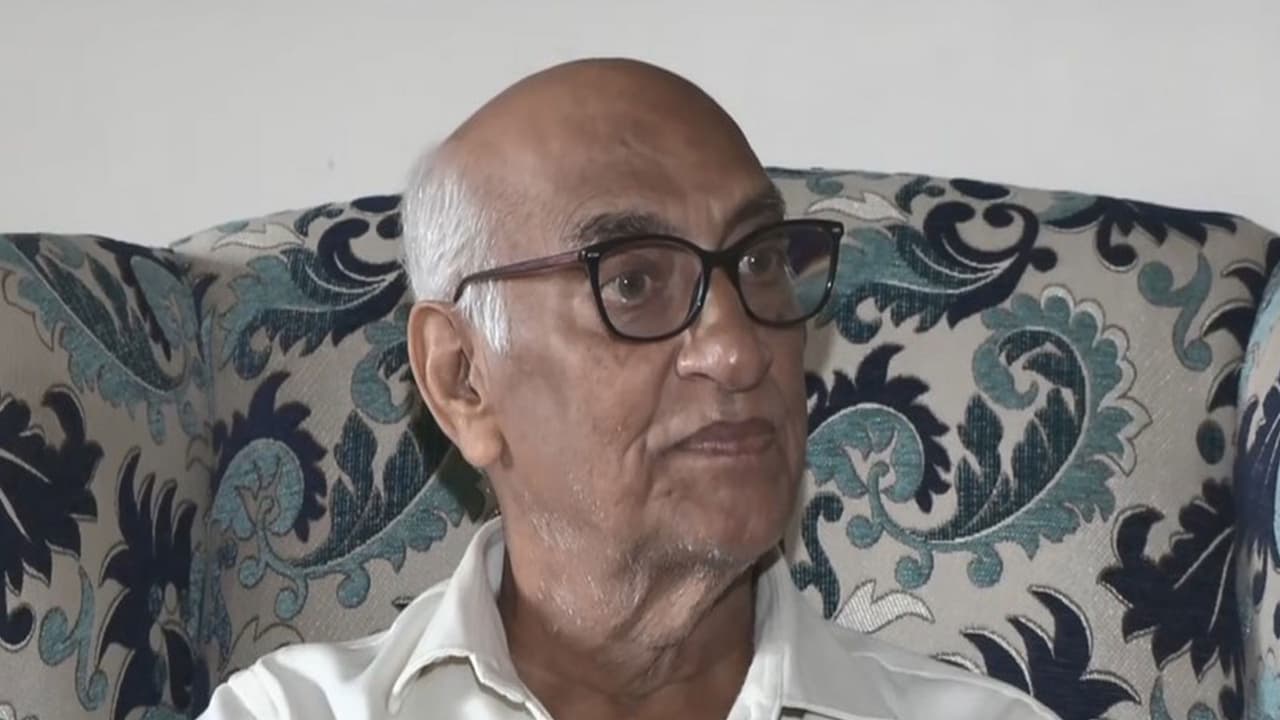
Former diplomat Vidya Bhushan Soni says the next 2-3 months are critical for Donald Trump due to rising energy costs, low approval ratings, and West Asia tensions, calling his Iran threats ’empty rhetoric’.
Former diplomat Vidya Bhushan Soni has cautioned that the next two to three months will be critical for US President Donald Trump as rising global energy costs, plummeting domestic approval ratings, and mounting tensions in West Asia place immense pressure on his administration.
Speaking with ANI, the former diplomat argued that President Trump’s intense focus on the Strait of Hormuz conflict has yielded no tangible results, triggering severe domestic and global economic fallout ahead of the US midterm elections.
Domestic and Economic Pressures
“These next two, two or three months are going to be very crucial, particularly for Trump,” Soni said. “I’m not just talking about the midterm elections, which are due in November, but more importantly, his approval rating is going down quite substantially. There doesn’t seem—in fact, they say that this is probably one of the worst ratings for a reigning president.”
Soni attributed the political slide to growing public anxiety over rising petrol and oil prices caused by supply shortages and maritime disruptions. He noted that the threat of a secondary crisis at the Bab-el-Mandeb Strait by Houthi forces could force shipping companies to use the longer, far less economical route around the Cape of Good Hope, further compounding global economic distress.
‘Empty Rhetoric’ on Iran
Addressing President Trump’s aggressive public statements toward Tehran, the former diplomat characterised the threats as empty rhetoric aimed at covering up a lack of progress. “People are worried that something tangible must come out, something specific should come out. He keeps threatening at every opportunity that, ‘I will blow the whole face out of Iran.’ That’s rhetoric, but it doesn’t really mean anything for an average man. So, he has to come up with the latest bombast, if I may say so,” he said.
UNGA Meeting a Potential Opportunity
Soni emphasised that direct diplomacy will be essential to breaking the stalemate, as indirect negotiations through intermediaries have failed. He pointed to the upcoming United Nations General Assembly (UNGA) session at the UN headquarters in New York, scheduled from September 22 to 28, as a potential venue for a face-to-face meeting between Trump and Iranian leadership, noting that US visas have already been granted to the Iranian president and foreign minister.
“If the Iranian president comes, then if they were to meet on the sideline or somewhere, then at least he’ll be able to show to the entire world that he is doing something specific, and he’s not just talking in the air,” Soni said. “It’ll reassure his base in the country [and] reassure allies like Saudi Arabia… Even if there is no agreement, he will say that, ‘I tried.’ It’s not as if he has to cop all the blame.”
Saudi Anxieties and US Military Strain
Addressing the tensions in Saudi Arabia, the former diplomat said that the bellicose rhetoric is also designed to reassure Saudi Arabia, which feels “left in the lurch” after learning of direct communications between US embassy officials and Houthi representatives. He added that the Houthis indicated they would refrain from targeting US vessels in the Red Sea while continuing to target Saudi shipping.
Compounding Riyadh’s anxiety, Soni noted, is Washington’s inability to supply Saudi Arabia with interceptor missiles due to stretched military inventories. “They’ve also asked for some interceptors because they need interceptors for any possible missile attack by the Houthis,” Soni explained. “That is not coming forward because the inventory in the US has been depleted because all the amount that has gone for active duty, not just in the Gulf, but also in the Ukraine crisis. So, they’re not able to supply them with their demand.”
Upcoming UN General Assembly Session
His remarks come as Iranian President Masoud Pezeshkian is scheduled to participate in the 81st session of the United Nations General Assembly, representing the Islamic Republic amid ongoing conflict and tensions with the United States, Iranian state media IRNA reported.
Masoud Pezeshkian is scheduled to address the General Assembly on Wednesday, September 23, during the morning session.
The 81st session of the UN General Assembly is being held under the theme “Restoring trust, managing transformation: A United Nations that delivers for all.” Bangladesh’s Khalilur Rahman is presiding over the session. The General Assembly will bring together presidents, prime ministers and senior representatives from all 193 UN member states, who will outline their priorities and positions on major international issues. (ANI)
(Except for the headline, this story has not been edited by Asianet Newsable English staff and is published from a syndicated feed.)