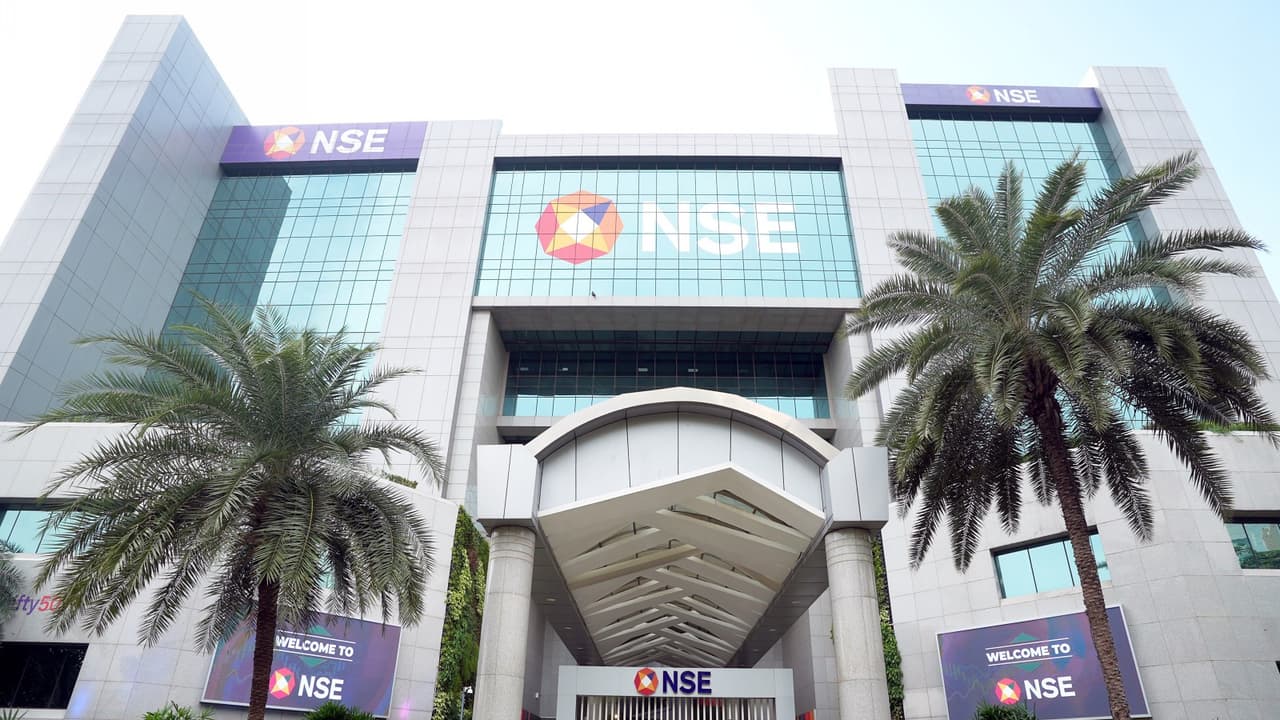
New margin funding rules are expected to raise financing costs for proprietary traders, potentially pressuring trading volumes and earnings for Indian stock exchanges despite strong long-term growth prospects, a Dolat Capital report says.
Regulatory Headwinds for Stock Exchanges
Indian stock exchanges could face pressure on trading volumes and earnings in the coming years as revised regulations on margin funding raise financing costs for proprietary traders and high-frequency trading firms, potentially weighing on the sector despite strong long-term growth prospects for India’s capital markets, according to a research report by Dolat Capital.
The brokerage expects the new regulatory framework to moderate proprietary trading activity, with the impact likely to be most significant for exchanges with high exposure to proprietary books.
Spike in Funding Costs
According to the report, bank guarantees previously enabled proprietary desks to leverage their market exposure. However, revised RBI norms have curtailed this route, forcing traders to increasingly rely on commercial papers and other higher-cost funding sources. The report said the cost of funding could rise sharply from around 1 per cent through bank guarantees to nearly 11 per cent through commercial papers, making several trading strategies less viable. This, coupled with higher trading costs following an increase in the securities transaction tax, could lead to a moderation in proprietary trading volumes.
Projected Decline in Trading Volumes
Dolat Capital estimates that proprietary books, including HFTs, account for more than 60 per cent of NSE’s index option volumes and over 50 per cent of BSE’s equity derivatives volumes. It expects NSE’s options ADTO to decline 8 per cent and 18 per cent from its base-case estimates in FY27E and FY28E, respectively, while BSE’s index options ADTO could fall 10 per cent and 20 per cent over the same period. For MCX, the brokerage expects a 6 per cent and 13 per cent decline in options and futures ADTO.
Near-Term Risks vs. Long-Term Growth
Despite these near-term risks, the report acknowledged the structural growth story of India’s capital markets, supported by rising retail participation, increasing demat accounts and a shift in household savings towards equities and mutual funds. The investor base at NSE has crossed 130 million, while equity and mutual fund investments accounted for about 15 per cent of household savings in FY25, up from 8 per cent in FY24.
However, Dolat Capital believes current valuations do not fully reflect the emerging regulatory headwinds and has therefore adopted a cautious stance on the exchange sector. (ANI)
(Except for the headline, this story has not been edited by Asianetnews Editorial staff and is published from a syndicated feed.)