Following Nepal’s floods, India’s MEA said developed nations must lead climate action due to historical responsibility. MEA Spokesperson Jaiswal noted India’s aid to Nepal. Nepal’s FM clarified they did not seek compensation but global attention.
Stressing that climate change is a “common challenge,” the Ministry of External Affairs on Friday said developed countries “must take the lead in reducing emissions” and support developing nations by way of “finance and technology transfer” in the aftermath of the death of over 1000 people in Nepal last month due to the devastating flash floods.
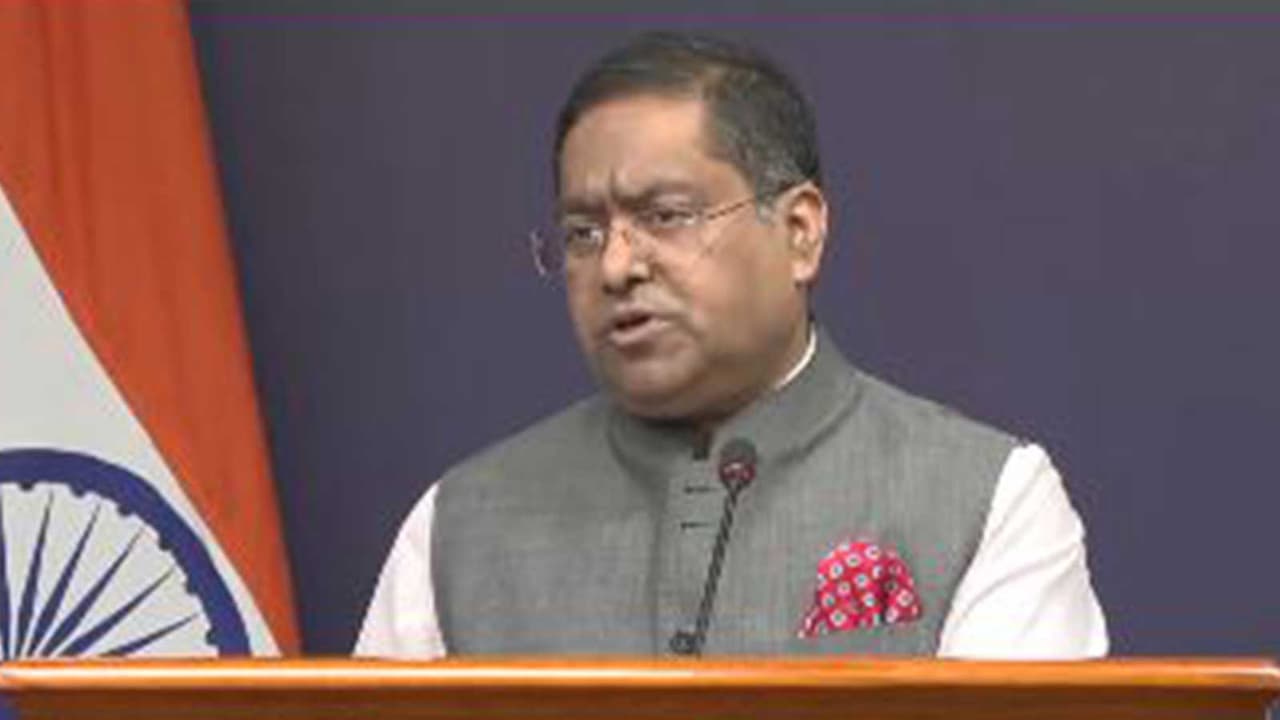
Ministry of External Affairs on Friday reiterated India’s commitment to climate action while emphasising the historical responsibility of developed nations following the devastating flash floods that hit Nepal last month. Addressing a query regarding the Nepalese administration’s remarks about climate-related compensation from major economies including India, China, and the United States, MEA Spokesperson Randhir Jaiswal noted New Delhi’s principled position on climate equity.
“I understand that a clarification has also been issued by the Nepalese side. Having said that, let me say that India has consistently maintained that climate change is a common challenge, and action in this regard must be based on the principle of common differentiated responsibilities and respective capabilities,” Jaiswal stated during a weekly media briefing. Highlighting the structural drivers of the global climate crisis, Jaiswal pointed out that developed economies must bear the core responsibility for climate finance and technology transfers to developing nations. “Developed countries who historically are responsible for the emissions and have contributed overwhelmingly to the civil crisis, must take lead in reducing emissions and supporting developing countries by way of finance and technology transfer to meet this challenge,” the spokesperson added.
India’s Humanitarian Response
Moving to immediate disaster assistance, Jaiswal noted that New Delhi’s swift humanitarian response reflects the close strategic and cultural bonds between the two neighbors. “In the wake of this tragedy, we have extended our solidarity and support to the government and people of Nepal. As a close friend and partner, India responded promptly, and we will continue to support the reconstruction and recovery efforts in the country,” he said.
Addressing top-level diplomatic outreach and appreciation from Nepalese Prime Minister Balen Shah, Jaiswal underscored that Prime Minister Narendra Modi engaged directly with Kathmandu immediately after the tragedy unfolded to commit comprehensive support. “We have seen that the Prime Minister of Nepal has thanked us for our support… When the strategy struck, our prime minister spoke to the Prime Minister of Nepal and conveyed that India stands shoulder to shoulder and extends all its support to Nepal in this time of crisis, and it will offer whatever help is required, and we’ll be happy that we are able to give a helping hand to our friends and partners, and to the people of Nepal,” Jaiswal affirmed.
Nepal Clarifies Stance, Urges Global Action
Notably, Nepal Foreign Minister Shisir Khanal has clarified that neither he nor the Ministry of Foreign Affairs nor the government has sought climate-related compensation from India, China or the United States following the devastating flash floods last week, saying Kathmandu’s appeal was for the global community to recognise the wider impact of climate change. “Neither I nor anyone in the Ministry of Foreign Affairs or the government of Nepal has claimed or asked for compensation from India or any other country, including China or the United States,” Khanal told ANI on Thursday in response to his alleged remarks seeking climate-related compensation.
The Foreign Minister clarified that Nepal’s position was focused on addressing the broader climate crisis and its impact on Himalayan communities.”Our call has been for the global community to look at this disaster from the perspective of climate change and the impact it’s having in Nepal,” he added.
Khanal noted that India, China and Nepal share environmental ecosystems, culture and heritage, and said the three countries should work together to better prepare for the impact of climate change in the Himalayas. He stressed that Nepal wanted the international community to look beyond one-time disaster assistance and consider the longer-term impact of rising temperatures and climate change on communities. (ANI)
(Except for the headline, this story has not been edited by Asianetnews Editorial staff and is published from a syndicated feed.)