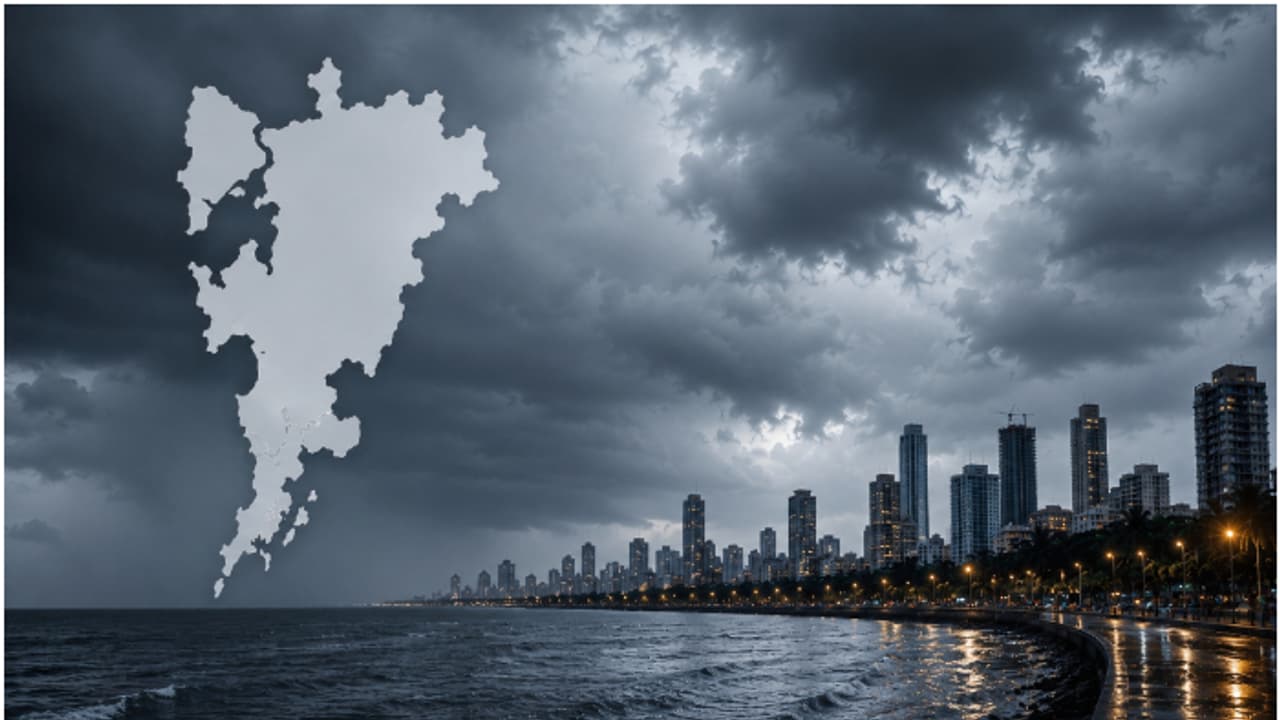
The delayed monsoon has significantly impacted water reserves in Maharashtra’s urban centres, prompting authorities to implement strict conservation measures.
Mumbai’s Water Crisis Intensifies
The Brihanmumbai Municipal Corporation (BMC) has already enforced a 10% citywide water cut since May 15 due to declining reservoir levels and delayed monsoon rainfall.
From June 17 onwards, additional restrictions have been introduced:
• Water connections to construction sites are being temporarily disconnected.
• New construction-related water connections have been suspended.
• Water supply to swimming pools is being temporarily halted.
• Industrial, commercial establishments, and sports clubs will face a 20% reduction in water supply.
• Strict penalties will be imposed for wastage or misuse of potable water.
Mumbai requires approximately 4,664 million litres per day (MLD) of water but currently receives only around 4,100 MLD. As of June 16, water stock in the city’s reservoirs had fallen to a concerning 10.35% of total capacity.
To preserve drinking water reserves, the BMC has advised public sanitation facilities to increase the use of tanker and borewell water. Activities such as vehicle washing, gardening, and road cleaning have also been directed to utilise non-potable sources like wells and borewells wherever possible.
Major institutions, including Central Railway, Western Railway, RCF, HPCL, BPCL, the Indian Navy, MIDC, and BPT, have been instructed to maximise the reuse of treated wastewater from Sewage Treatment Plants (STPs), including the Colaba STP, for operational requirements.
Pune’s Reservoir Levels Drop Sharply
Pune is also facing mounting water stress as reservoir levels continue to decline. Data from the Maharashtra Water Resources Department shows that live water storage in reservoirs serving the Pune region stood at only 14.30% of total capacity on June 18.
This marks a sharp decline compared to 31.16% recorded on the same date last year, raising concerns over future water availability if rainfall activity does not improve soon.
Across Maharashtra, live water storage in 3,028 dams, reservoirs, and weirs stood at 24.03% of capacity, significantly lower than the 32.38% recorded on June 18, 2025. Officials have noted that “live storage” refers to usable water above the dead stock level, which is generally unavailable for routine consumption.
With reservoir levels shrinking and the monsoon yet to regain strength, authorities remain on high alert to ensure adequate water supplies for domestic, agricultural, and industrial needs across the state.