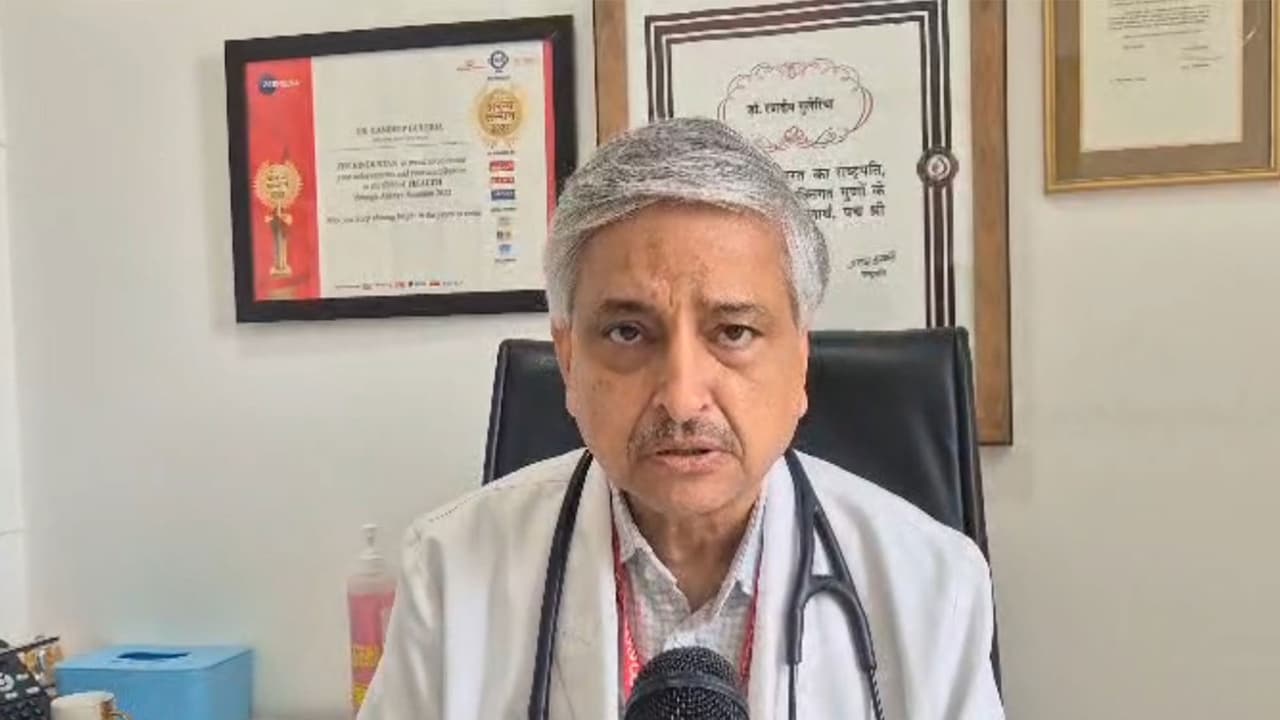
With a rise in monsoon viral infections, former AIIMS chief Dr Randeep Guleria has advised high-risk individuals to get the annual influenza vaccine. He noted most cases are mild and can be managed at home with symptomatic treatment.
With viral infections increasing in the monsoon, Chairman of the Institute of Internal Medicine and Respiratory & Sleep Medicine at Medanta, pulmonologist Dr Randeep Guleria, has advised high-risk individuals to get vaccinated. In an interview with ANI, Dr Guleria, who is the Former Director of AIIMS Delhi, also reassured the public that most cases remain mild and can be managed with standard home care.
Annual Spurt and Common Symptoms
“This is something which happens on an annual basis. There is a spurt in cases, but the majority of cases have mild to moderate disease. Some patients who come under comorbidities are getting admitted in ICU’s,” he said.
“So, like every year, we see that there is a spurt of viral infections around the monsoon months, and it usually occurs due to influenza. And most patients have upper respiratory tract fever, cough, cold, body aches, and it usually recovers in about five to seven days,” he added.
Treatment for Viral Infections
He also said symptomatic treatment is required for most of the cases, except those which come under comorbidities. He said, “Symptomatic treatment is only required in most patients. In patients who are in having in the elderly patients or patients who have comorbidities like chronic heart disease, diabetes, or respiratory diseases. For them, they may require antiviral drugs like Tamiflu and Oseltamivir.”
Influenza Vaccine Advisory
On influenza vaccines, he said these vaccines should be taken every year, stating, “Influenza vaccine we advise for all individuals, people who are in the high-risk group and the older age group, and should take their annual influenza vaccine regularly.”
When to Consult a Doctor
When asked about which symptoms to watch out for, Dr Guleria said, “People should watch out for any chest tightness, breathing difficulty, cough with sputum production, and if the fever, high-grade fever, persists for more than five days, then they should consult the doctor.”
(ANI)
(Except for the headline, this story has not been edited by Asianetnews Editorial staff and is published from a syndicated feed.)