Will Trump’s withholding of approval break the US-Iran ceasefire deal? Will the Strait of Hormuz close again and create an oil crisis in the world? Amid drone and missile attacks, is the Middle East heading towards a new war? Will Iran’s nuclear issue become a new spark of global conflict?
Donald Trump Iran Deal: The Middle East once again stands on that powder keg, where a small spark of diplomacy will either lead to peace or plunge the entire world into a devastating regional war. A big chessboard is being laid behind the scenes regarding the opening of the Strait of Hormuz and a 60-day ceasefire between America and Iran. But as soon as this secret agreement became known, the suspense has deepened in the global markets and military corridors. The question is, is this really the dawn of peace or the silence before a major war?
Secret game of superpowers: Is the heartbeat of the world at stake?
If sources are to be believed, a draft of a highly confidential agreement has been prepared between Washington and Tehran. The most sensitive part of this deal is the world’s lifeline – the Strait of Hormuz. According to the proposal, the US will ease its naval blockade and partially lift stringent sanctions on Iran’s oil exports. But what Iran has to do in return has left strategists breathless. Iran will have to clear its deadly naval mines laid in this sea route within just 30 days. This is the same path through which the entire world’s energy supply passes. If even one mistake is made here, the global economy will collapse like a house of cards.
Scroll to load tweet…
Trump’s mysterious ‘silence’ and Tehran’s terrifying suspense
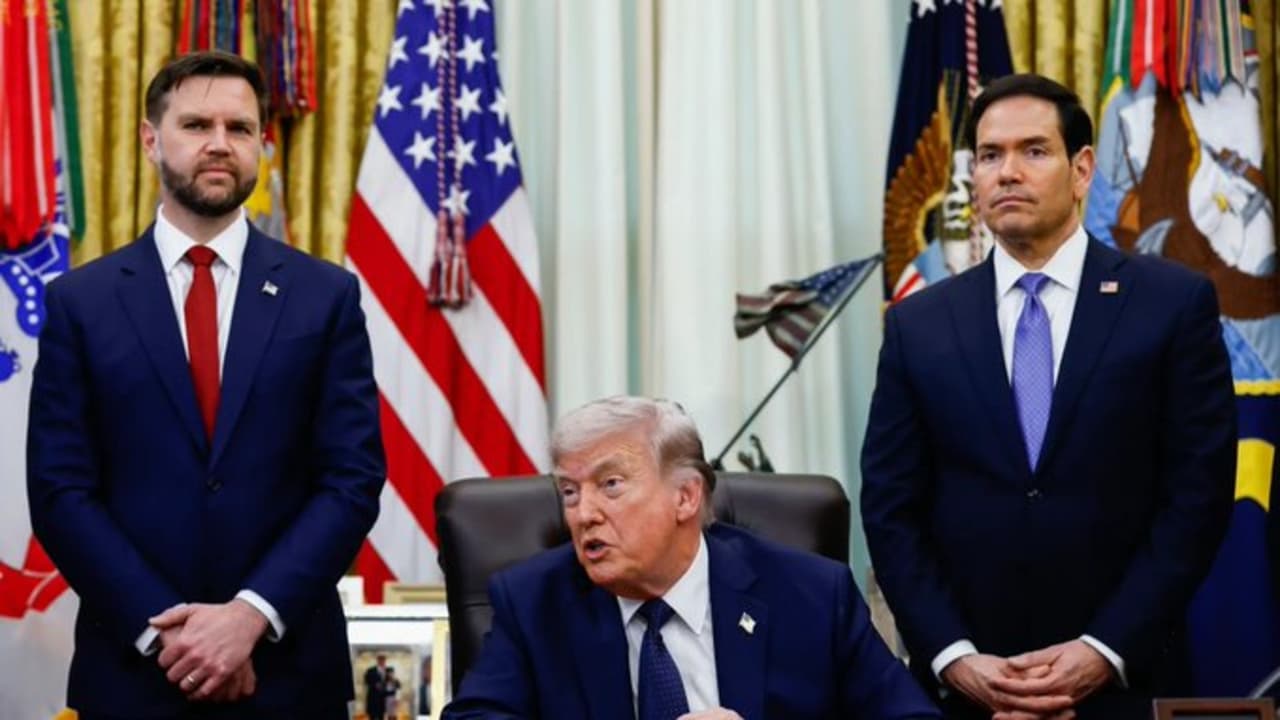
The biggest suspense in this entire conversation remains the attitude of US President Donald Trump. News coming from within the White House suggests that Trump is not at all satisfied with this initial deal. He is in no mood to sign any agreement that does not appear more stringent and aggressive than the 2015 nuclear deal (JCPOA). On the other hand, Tehran has also not revealed its cards. Iranian commanders clearly say that until the sanctions are completely lifted, these pieces of paper have no value. This tension between the heads of state of both the countries has brought this agreement to a very delicate point.
Signature on paper, gunpowder in the sky: Who fired the missiles during the ceasefire?
The most shocking contradiction is being seen on the ground. On one hand, diplomats are joining hands in New York and Geneva, while on the other hand, the US Central Command has shot down five Iranian surveillance drones near Bandar Abbas. What happened in response shook the Middle East.
Scroll to load tweet…
Sirens suddenly echoed in the sky of Kuwait when a ballistic missile was intercepted there. Iran’s Revolutionary Guards openly claimed responsibility for the attack, claiming that they had targeted the US military base from where their drones were attacked. Kuwait has called it a “criminal Iranian action” that has sabotaged the so-called peace talks.
Countdown to destruction: is this just the calm before the storm?
This bloody hide and seek has proved that the trust scale between the two powers is at zero. The Strait of Hormuz is currently on such a powder keg that if any one soldier’s finger trembles on the trigger, it will press the button of the Third World War. The world’s eyes are now on the next step of Washington and Tehran. Will this 60-day extension avert disaster, or is it just a silent prelude to the coming storm?