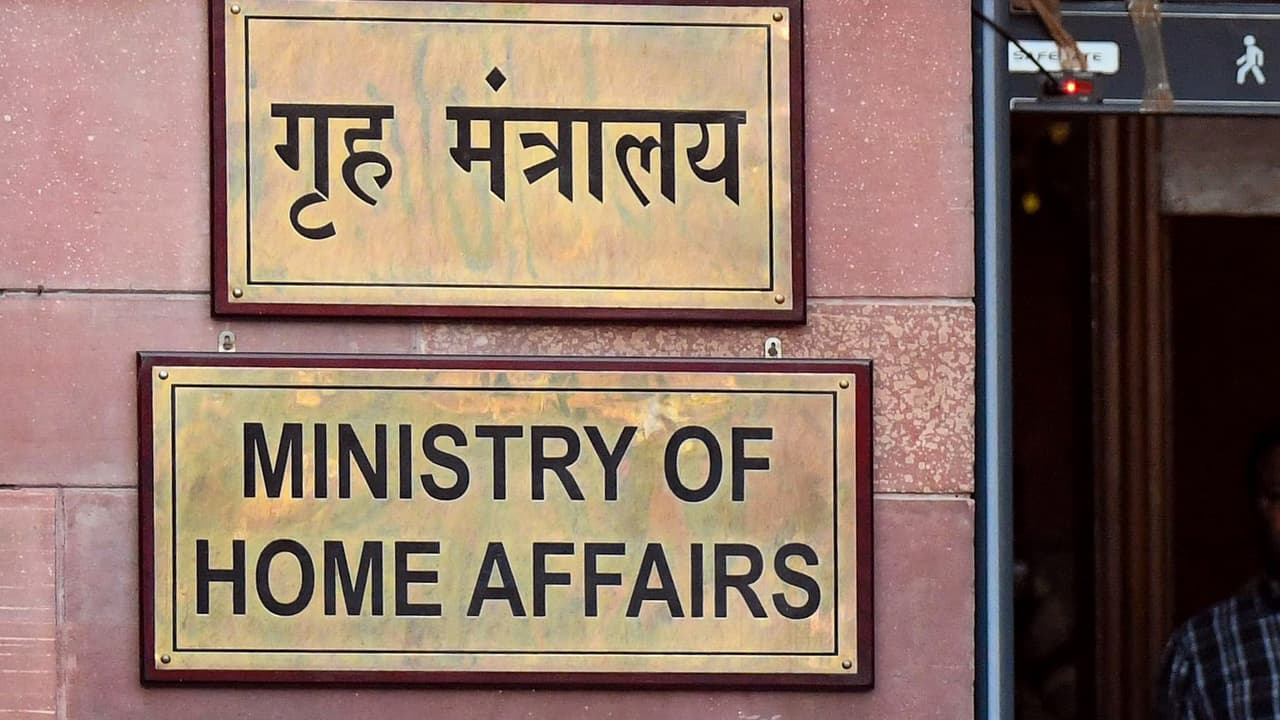
The MHA has amended the Citizenship Rules, 2009. The new Citizenship (Amendment) Rules, 2026, require citizenship applicants from Pakistan, Afghanistan, and Bangladesh to declare their passport status and surrender it upon approval of their application.
The Ministry of Home Affairs (MHA) has issued a notification announcing amendments to the Citizenship Rules, 2009, introducing new provisions related to passport disclosure for applicants from Pakistan, Afghanistan and Bangladesh. A notification, issued late on Monday, states that the amended rules–titled the Citizenship (Amendment) Rules, 2026–came into effect soon after its publication in the official gazette.
In exercise of the powers conferred by section 18 of the Citizenship Act, 1955 (57 of 1955). The Central Government hereby makes the following rules to further amend the Citizenship Rules, 2009, namely the Citizenship (Amendment) Rules, 2026,” reads the notification.
New Passport Disclosure Requirements
As part of the changes, a new clause has been inserted in “Schedule IC of the Citizenship Rules, requiring applicants to declare whether they possess a valid or expired passport issued by the governments of Pakistan, Afghanistan, or Bangladesh.”
Under the revised provision, “applicants must either confirm that they do not hold such a passport or provide detailed information if they do, including passport number, date and place of issue, and date of expiry.”
Additionally, individuals “declaring possession of such passports must undertake to surrender them to the concerned postal authorities within 15 days of approval of their citizenship application.”
Officials said the amendment aims to streamline documentation and strengthen procedural clarity in citizenship applications involving individuals from these countries.
The principal Citizenship Rules were originally notified on February 25, 2009 and were last amended on March 11, 2024.
Background on the Citizenship Amendment Act
The Parliament passed the Citizenship (Amendment) Bill 2019 in December 2019 with Union Home Minister Amit Shah declaring that it will give a new ray of hope to persons belonging to Hindu, Sikh, Buddhist, Jain, Parsi and Christian communities who have migrated to India after facing persecution on the grounds of religion in Pakistan, Afghanistan and Bangladesh.
Shah then reiterated that the Bill is not against any Minority in India and the rights of each Indian Citizen will be equally protected, stressing that the Narendra Modi government is committed to protecting the rights of each citizen of the country.
Then, Shah also said that the Bill was aimed at giving a dignified life to these people who had suffered religious persecution for decades by granting Indian Citizenship to them, if they fulfil the conditions for the grant of citizenship.
The Home Minister also said that the grant of citizenship will be from the date and year of the entry into India, and all the cases and legal proceedings against them would be closed, besides protecting their business and trade interests on an equal footing.
Shah further added that even if the passports and visas of these minorities had expired, they would not be treated as illegal.
He also underlined that the population of minorities in the Islamic States of Pakistan and Bangladesh had reduced considerably over the years, as they were either killed or forced to change their religion, and thus were forced to flee to India.
He said that the partition of India on religious lines and the subsequent failure of the Nehru-Liaqat pact of 1950 in protecting the rights and dignity of the minorities in Pakistan and Bangladesh are the reasons for bringing this Bill.
(ANI)
(Except for the headline, this story has not been edited by Asianet Newsable English staff and is published from a syndicated feed.)