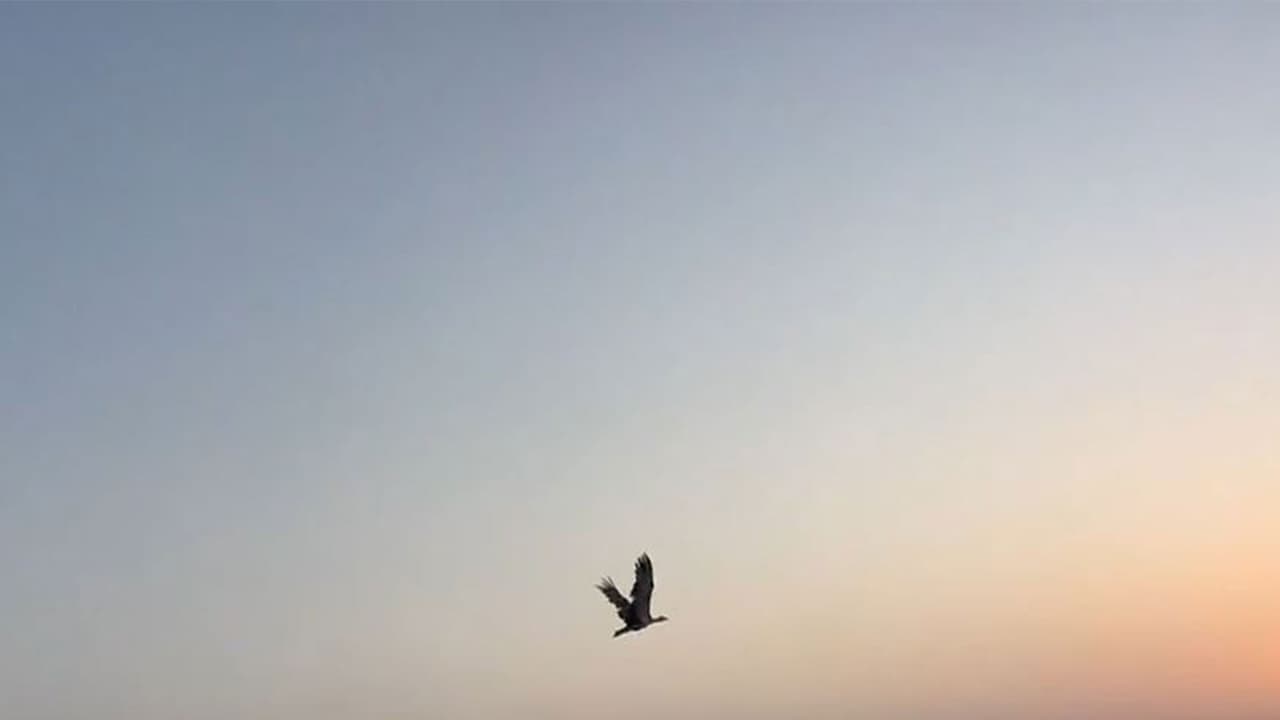
Union Minister Bhupender Yadav released two male captive-bred Great Indian Bustards in Jaisalmer, Rajasthan. This marks a major milestone for a nine-year conservation project by the Wildlife Institute of India to rewild the endangered birds.
A Major Milestone in Conservation
Union Environment Minister Bhupender Yadav on Sunday initiated the release of captive-bred Great Indian Bustards into the wild by releasing two male birds into a designated enclosure in Jaisalmer, Rajasthan. The initiative follows nine years of extensive research and captive breeding led by the Wildlife Institute of India (WII) in partnership with the Rajasthan State Forest Department.
Speaking to ANI, Yadav said that the project demanded extreme patience, research, and a deep understanding of the behaviour of birds. “Today, we have reached a major milestone regarding the Great Indian Bustard project. Our scientists have been working tirelessly on this for the past 9 years, specifically to ensure that the birds produced through our conservation breeding program could be raised to a stage where they were ready for rewilding. This was no small undertaking; the project demanded immense patience, extensive research, and a deep understanding of the birds’ behaviour,” he said.
Monitoring and Future Plans
Further expressing gratitude to Prime Minister Narendra Modi, he noted that the two birds, which have been released, will be monitored to understand their behaviour and dietary habits, ensuring that they adjust to the ecosystem properly. “After 9 years of dedicated effort, we have arrived at this glorious moment of rewilding them. I also wish to express my gratitude to PM Modi for entrusting us with the Great Indian Bustard project and the responsibility that came with it. Two male birds were released today, and we will continue to look after the remaining birds in the future. For these two males, the priority now is to monitor their behaviour and dietary habits, and to ensure they adjust well to the entire ecosystem,” he said.
Scientific Perspective on Captive Breeding
Director of the Wildlife Institute of India (WII) Gobind Sagar Bhardwaj explained that while in situ conservation efforts have been ongoing for Jaisalmer’s remaining wild population, ex situ captive breeding was essential as a safeguard against extinction. “The Great Indian Bustard, whose last breeding population exists in Jaisalmer, has long been the subject of in situ conservation efforts; however, an ex situ conservation plan (breeding in captivity) was also crucial as an insurance measure,” he said.
He noted that the WII took on the challenge of captive breeding in 2016 in collaboration with the State Forest Department. “Undertaking this captive breeding was a massive challenge, but the WII, in collaboration with the State Forest Department. “Globally, the survival rate for captive-bred bustards is barely 48 per cent, yet we embraced this challenge. Today, we have approximately 98 captive-bred chicks. Now that we have successfully bred the population in captivity, the next step is to revive the wild population. We have released two birds into the wild within the RTH (Restricted-to-Humans) enclosure,” he said.
The Rewilding Process
He added that the birds have been tagged for monitoring, and the outcome of the observation will determine the success of this step. Based on the outcome, the WII will decide whether to release more birds or not. “They have been tagged for monitoring, and we are observing the outcome, as this remains a significant challenge. We will assess the success of this initial step and observe their progress before the Wildlife Institute of India and the Forest Department gradually release more birds,” he said. (ANI)
(Except for the headline, this story has not been edited by Asianet Newsable English staff and is published from a syndicated feed.)