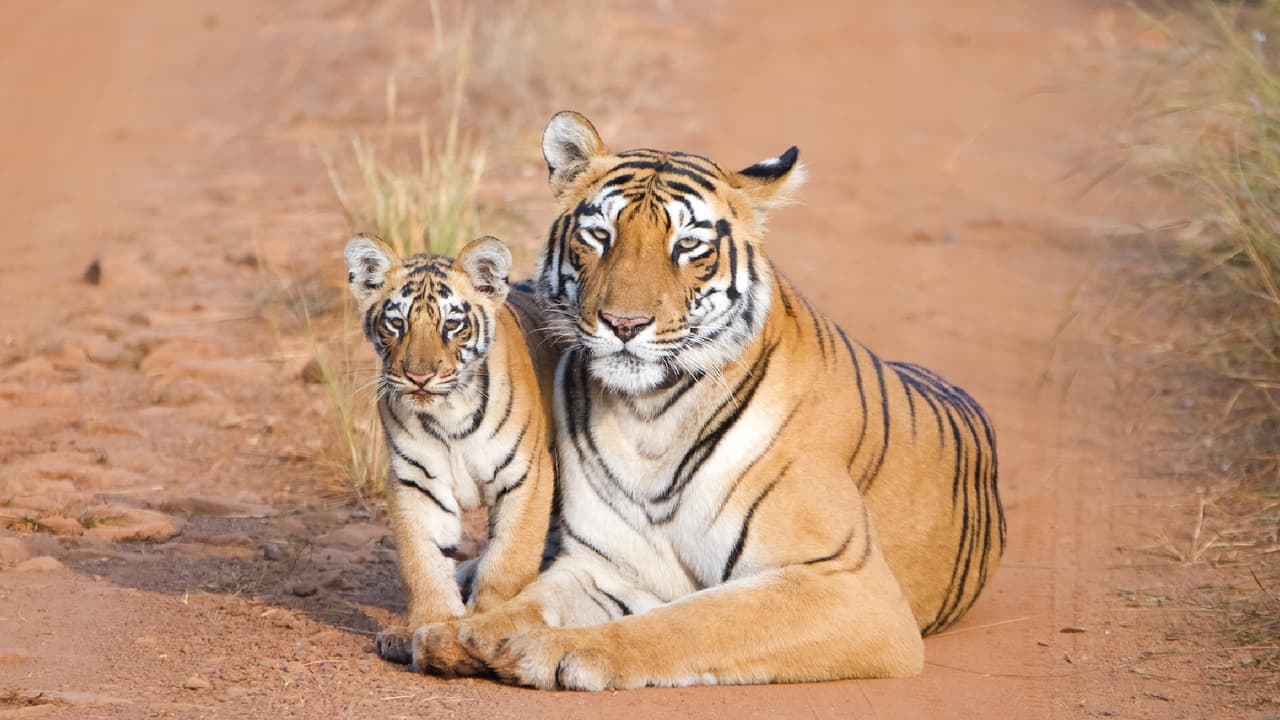
A tigress and her cubs attacked the women, confirmed Chief Conservator of Forest Ramanujam R M. The department has now set up 3 surveillance cameras and 30 camera traps to monitor the area.
In a shocking incident from Maharashtra, a tiger attack has claimed the lives of four women. The tragedy happened when they went into a forest to collect ‘tendu’ leaves, which are used to make beedis. The state forest department has identified the victims as Sangeeta Chaudhary (50), Kaudabai Mohurle (45), Anubai Mohurle (40), and Sunita Mohurle (38).
The attack took place in a forest area near Gunjewahi village in Chandrapur district. This is the seventh fatal tiger attack reported in Chandrapur district this year.
According to Chief Conservator of Forest, Ramanujam R M, a tigress and her cubs were behind the attack. The season for collecting these beedi leaves from the forest usually runs from April to June. The Forest Department said they had already warned villagers not to enter this part of the forest, which is part of the Brahmapuri division, because of tiger presence. “A forest patrol team had even stopped these women on May 14 and sent them back,” the Chief Conservator said. Officials added that the cubs are over two years old. “At this age, they are about to separate from their mother, which makes them more aggressive and dangerous,” an official explained.
The Forest Department has announced immediate relief of ₹25,000 for each victim’s family. To step up surveillance, they have installed three monitoring cameras and 30 camera traps in the area. Also, a complete temporary ban has been put on collecting beedi leaves from the forest. But the villagers say this is their only job during the summer, so they can’t afford to stay away from the forest.
Meanwhile, environmental activist Ram Dhotre has blamed deforestation from mining in the Tadoba-Chandrapur belt for the rising human-animal conflict. He alleged that the recent giving away of large forest land to private companies for mininghas upset the region’s ecological balance. This, he says, is forcing wild animals to enter areas where people live.