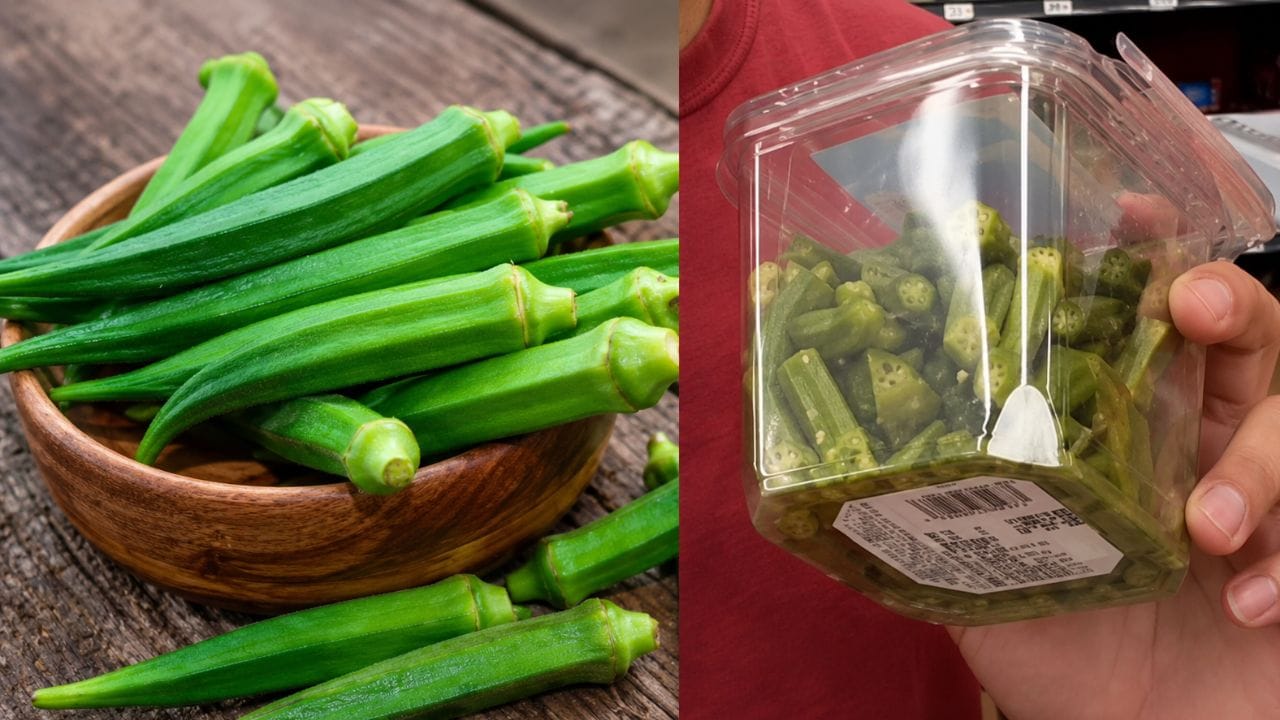
Ladyfinger, one of the most common and affordable vegetables in the Indian kitchen, has become a topic of discussion on social media these days. The reason is not its taste, but its skyrocketing price across the seven seas. Bhindi, which is bought at the rate of Rs 40-50 per kg in Indian markets, is being sold at Rs 7,250 per kg in a supermarket in America. Instagram influencer Ashish Ahuja recently shared a video, which exposed the rebranding of Indian vegetables and their shocking prices in foreign markets. In this video, a packet of 85 grams of crispy-fried lady finger is seen being sold for 6.5 dollars (about Rs 600).
Mango vegetable turned into delicious snack
In India, Ladyfinger is considered a common everyday vegetable. It is a regular part of the plate of middle class families. But it is being introduced in a completely new form in the American market. When Ashish Ahuja reached an American supermarket, he was surprised to see the sight there. Instead of raw vegetables on the shelf, there were packets of spicy, crispy and baked okra. The price of this small 85 gram packet was kept at 6.5 dollars. That means, if a person buys this snack of one kg ladyfinger, he will have to spend Rs 7,250. This price is several hundred times higher than that of fresh ladyfinger available in India.
Higher price than a packet of chips
Popular snacks of multinational companies were also available in the supermarket. For example, a pack of Lays chips was available for just $2.50. In comparison, this packet of ladyfinger is being sold at more than double the price. Ashish Ahuja took a jibe at this huge price and called it ‘personality tax’ of Bhindi. He said in a joking tone, even Bhindi herself would not have known that she could reach this point.
Premium product tag in foreign market
After all, how did a common vegetable become so expensive? The direct answer lies in the packaging and marketing of the product. In America, ladyfinger has been launched in the market not just as a vegetable but as a ‘healthy snack’. It is prepared by frying, baking and adding special spices, which increases both its shelf life as well as its demand in the market. It is positioned as a premium product targeting health-conscious American consumers. This is the reason why things sold cheaply in common Indian homes are charging premium prices in America.