kitchen related mistakesImage Credit source: Getty Images
Be it morning tea, breakfast or dinner, preparing tiffin for children or preparing dinner, a major part of our lives revolves around the kitchen. We all pay attention to buying fresh, clean vegetables, pay attention to the quality of spices and try to ensure that the food is hygienic. But have you ever wondered how safe is the vessel in which the food is being cooked or the container in which it is being kept? What effect can it have on your health?
This may sound a bit strange, but at present, health experts around the world are seriously talking and discussing this issue. Its impact is not only on health but also on the economy.
The world faces an economic loss of about US$310 billion every year due to medical expenses, lost work and lost productivity. This is why now governments and health agencies are not only paying attention to why food spoils, but are also paying attention to how to save it before it spoils.
This discussion becomes even more important in India, because the food processing industry is growing very fast here. Online food delivery, packaged food and restaurant businesses are continuously expanding. In such a situation, the Food Safety and Standards Authority of India (FSSAI) has also strengthened the rules of food safety and increased awareness about cleanliness. But there is one aspect which is rarely talked about. That is our kitchen and the utensils used in it!
These mistakes are making you sick
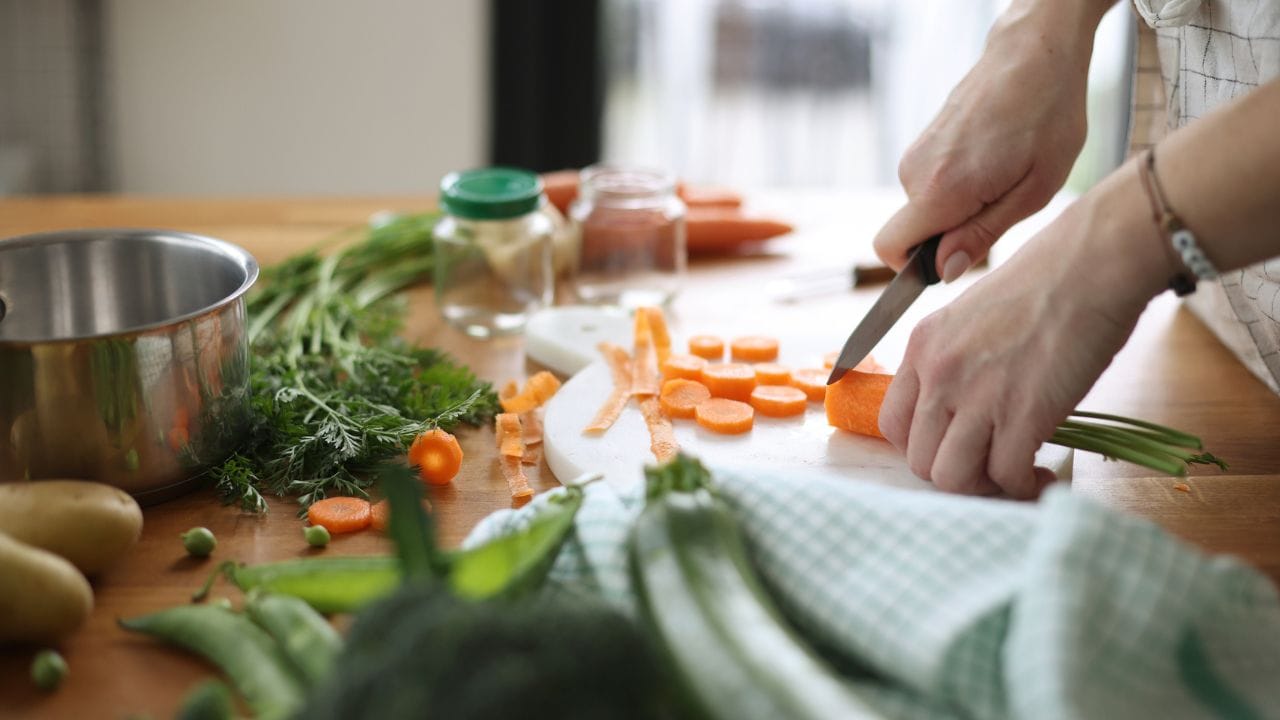
Kitchen safety is not limited to just utensils. Some of our daily small habits can also contaminate food. If the chopping board on which raw vegetables or meat is cut is used to cut other things without thoroughly cleaning it, then the bacteria present on it can reach the food.
Similarly, a sponge or dishwashing brush can also become home to germs due to moisture, if not changed from time to time or cleaned properly.
Heating and using the same oil again and again or cooking fruits and vegetables without washing them properly are such food safety mistakes that we often do not pay attention to.
What do experts say
Dr. Rohit Sharma, Internal Medicine Specialist, Apollo Spectra Hospital, Jaipur. It is said that today unsafe food no longer just means spoiled food or dirt. This is a matter related to the entire environment where food is prepared, stored and served. According to him, in a country like India, where food is cooked on high flame with spices, the quality of kitchen utensils and their cleanliness becomes very important.
Actually, Indian kitchen has its own challenges. Here the utensils are constantly exposed to heat, moisture, oil, salt and acidic substances like tamarind, tomato, curd or lemon. If used for a long time, weak or poor quality material may deteriorate and increase the risk of bacteria growing on its surface.
Stainless steel is the best option
Dr. Arvind Aggarwal, Director of Shri Balaji Action Medical Institute, Delhi. It is said that now all over the world food safety is being looked at from the perspective of science. Therefore, attention is also being paid to the quality of surfaces and utensils that come in contact with food. They believe that stainless steel is a better option in this case, because it is strong, does not corrode quickly and is also easy to clean.
We will have to start from home
Food should not be eaten just thinking that it is just a means to fill the stomach. This is also the foundation of our family’s health. Therefore, food safety cannot be considered limited only to government rules or factories. It starts from our own home.