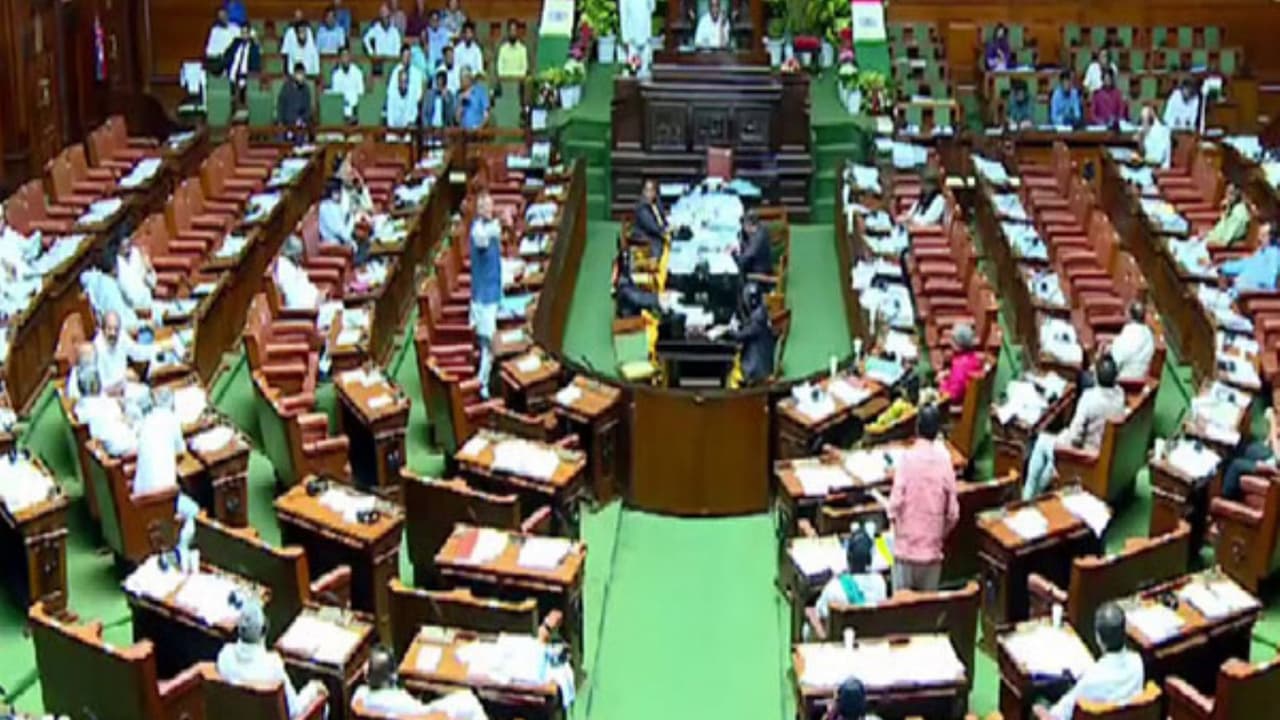
The Karnataka Assembly unanimously rejected the Kasturirangan report on the Western Ghats. The resolution demands excluding inhabited and agricultural lands from the ESA and forming a new committee for a physical survey to rectify discrepancies.
Kasturirangan Report’s Proposals
The High-Level Working Group headed by K Kasturirangan recommended designating roughly 37% of the Western Ghats (around 56,825 sq km) as an Ecologically Sensitive Area (ESA). The report covers over 20,000 sq km across 1,500+ villages in Karnataka, proposing strict bans on mining, quarrying, large thermal power projects, and heavy polluting industries, along with restrictions on construction and land-use changes.
Fears of Displacement and Livelihood Loss
Residents, agricultural communities, and elected representatives fear that ESA enforcement will lead to widespread displacement, curb developmental infrastructure, restrict traditional farming practices, and impose severe administrative hurdles on daily livelihoods in the Western Ghats belt.
State Government’s Firm Stance
Meanwhile, On Sunday, Karnataka Chief Minister DK Shivakumar reaffirmed the state government’s opposition to the Kasturirangan Committee report on the Western Ghats, emphasising that its implementation could severely disrupt local livelihoods and farming communities ahead of the special session. Speaking to reporters in Hassan, Shivakumar highlighted that the state had previously rejected the recommendations during the then Chief Minister Siddaramaiah’s earlier tenure, but the proposal was sent back by the Union Government for reconsideration. The Centre has requested Karnataka to clarify its final stance on the ecologically sensitive area (ESA) notifications by September 27.To gauge public sentiment, Shivakumar conducted extensive field visits across affected coffee-growing and forest-fringe districts, including Chikkamagaluru, Karwar, Kodagu, Mysuru, and Shivamogga. “We have asked the Central Government to convey its stance on the Kasturirangan Report by September 27. We had rejected this report during the Siddaramaiah government’s tenure. However, the Central Government has sent it back to us. I have visited Chikkamagaluru, Karwar, Kodagu, and Mysuru to hold discussions. People have brought to my attention the potential disasters and the impact on their livelihoods if the report is implemented,” said ShivakumarShivakumar criticised the opposition BJP for stalling previous deliberations on the matter, asserting that the state government remains committed to protecting the interests of farmers and forest-dwelling populations. “We were prepared to discuss this in the Assembly, but the BJP did not allow it. For the BJP, politics is what matters most. Let them engage in politics. We have convened a special session; it begins tomorrow. I have gathered opinions regarding the sentiments of the people and farmers, as well as the situation of those living near forest areas. We will discuss these matters in the Legislative Assembly and the Legislative Council,” he said.Highlighting the administration’s broader push for grassroots governance, Shivakumar noted that state ministers have been instructed to visit rural areas weekly to address public grievances directly. (ANI)(Except for the headline, this story has not been edited by Asianet Newsable English staff and is published from a syndicated feed.)