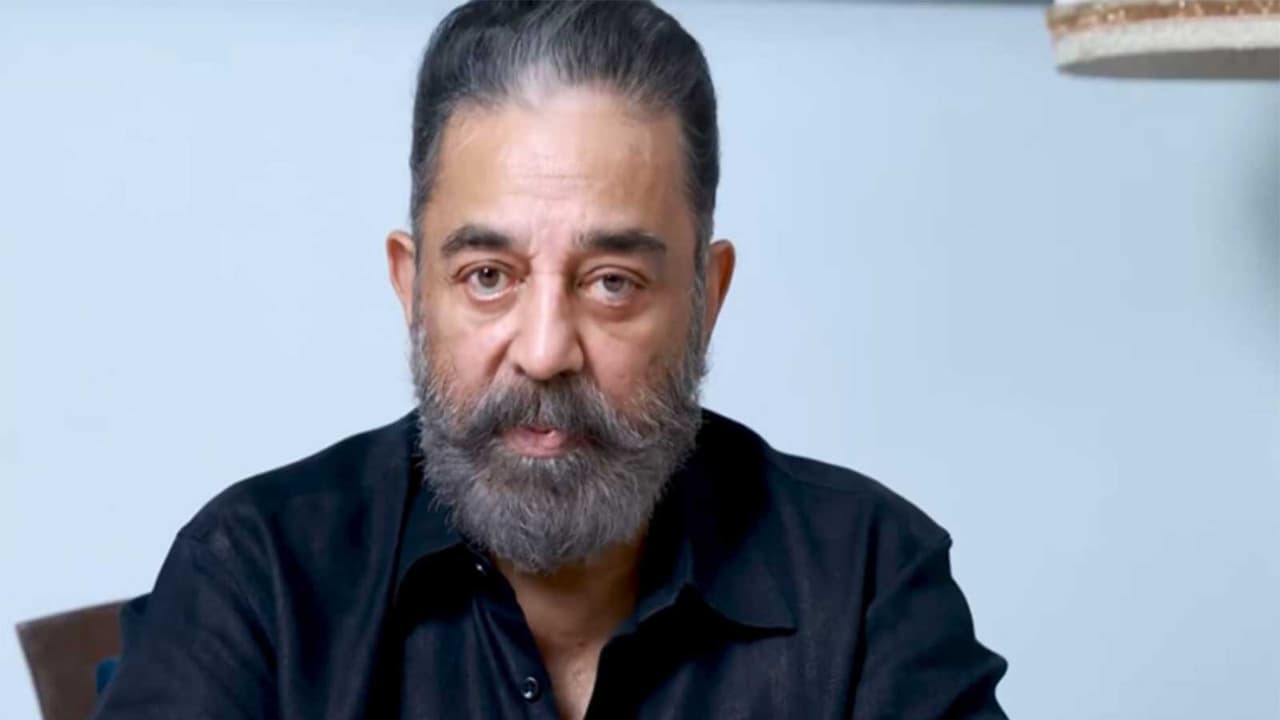
MNM founder Kamal Haasan wrote to Tamil Nadu CM C Joseph Vijay suggesting measures to strengthen Gram Sabhas. His recommendations include increasing honorariums for panchayat representatives, giving Sabhas a say on TASMAC outlets, and public participation.
Makkal Needhi Maiam (MNM) founder and Rajya Sabha MP Kamal Haasan on Saturday wrote to Tamil Nadu Chief Minister C Joseph Vijay, suggesting measures to strengthen Gram Sabhas and make them more effective institutions of grassroots democracy ahead of the meetings scheduled on October 2.
Sharing details of his letter on X, Kamal Haasan said he had recommended steps including increasing the honorarium of village panchayat representatives, giving Gram Sabhas a decisive role in decisions related to local TASMAC outlets, improving public participation and ensuring time-bound action on resolutions passed by the meetings.
Kamal Haasan’s Recommendations at a Glance
“I have written to the Hon’ble Chief Minister of Tamil Nadu, Thiru C Joseph Vijay, with the following recommendations to strengthen the upcoming Gram Sabha meetings on 2 October as more meaningful institutions of grassroots democracy: Enhance the honorarium of Village Panchayat representatives. Give Gram Sabhas a decisive voice on local TASMAC outlets. Increase awareness and public participation. Ensure time-bound action on Gram Sabha resolutions. Give citizens a greater say in the Gram Sabha agenda. Strengthen research and capacity-building in local governance. Make village development planning genuinely participatory. Build a stronger culture of grassroots accountability,” Kamal Haasan said.
He added that Gandhiji’s vision of Gram Swaraj was based on empowered villages and participatory democracy. “Gandhiji’s vision of Gram Swaraj was rooted in empowered villages and participatory democracy. The best way to honour his legacy would be for Tamil Nadu to become India’s model State for village governance,” Haasan added.
I have written to the Hon’ble Chief Minister of Tamil Nadu, Thiru C. Joseph Vijay, with the following recommendations to strengthen the upcoming Gram Sabha meetings on 2 October as more meaningful institutions of grassroots democracy: • Enhance the honorarium of Village… pic.twitter.com/SsXdWOznvR — Kamal Haasan (@ikamalhaasan) September 6, 2026
Detailed Proposals from the Letter
In his letter, Kamal Haasan said the Gram Sabha, recognised under Article 243A of the Constitution, was the “most direct expression of participatory democracy” where citizens could raise concerns, deliberate on community issues and participate in local governance.
Increase in Honorarium for Representatives
He suggested substantially enhancing the honorarium of Panchayat representatives, saying the current amount was inadequate considering their responsibilities. Kamal Haasan proposed increasing the monthly honorarium to Rs 16,000 for Village Panchayat Presidents, Rs 10,000 for Vice-Presidents and Rs 8,000 for Ward Members. “The enhancement should recognise the time, responsibility and public service involved in grassroots governance,” he said.
A Decisive Say on TASMAC Outlets
On TASMAC outlets, the actor-turned-politician suggested that Gram Sabhas should have a greater say in decisions related to liquor shops in villages. “Where a properly convened Gram Sabha expresses clear and sustained opposition to an existing TASMAC outlet, the Government should establish a mechanism by which such a resolution can effectively veto the continued operation of the outlet, subject to appropriate safeguards and procedures,” he said.
He also suggested that Gram Sabha consent should be required before setting up new TASMAC outlets in villages, adding that revenue considerations should not completely override the concerns of local communities.
Boosting Public Participation and Awareness
Kamal Haasan called for sustained awareness campaigns to encourage greater public participation in Gram Sabha meetings and suggested that exemplary meetings from across Tamil Nadu could be telecast live as a model for others.
Ensuring Time-Bound Action on Resolutions
He further stressed the need for effective implementation of Gram Sabha resolutions, saying their credibility depended on action taken after meetings. “Gram Sabha resolutions should be followed by time-bound action and their implementation status should be made publicly available. An Action Taken Report on earlier resolutions should also become an important part of subsequent Gram Sabha meetings,” he said.
A Greater Role for Citizens in Agenda Setting
The MNM leader also suggested that citizens should have a mechanism to propose issues for discussion before Gram Sabha meetings and said local concerns should not be replaced by only government-driven agendas.
Fostering Participatory Development and Accountability
Strengthening Local Governance Institutions
On strengthening local governance institutions, Kamal Haasan called for greater investment in training, documentation and research, including strengthening institutions such as the State Institute of Rural Development (SIRD).
Genuine Participatory Development Planning
He suggested that Gram Sabhas should become platforms where villages identify and prioritise their own development needs related to water, sanitation, roads, livelihoods, education, health, environment and welfare. “The Gram Sabha should therefore evolve beyond being a statutory meeting into a genuine platform where citizens can question, deliberate, prioritise and hold the local administration accountable,” he said.
Kamal Haasan said the upcoming October 2 Gram Sabha meetings provide an opportunity to further strengthen grassroots democracy and make the institutions “more participatory, autonomous, inclusive and outcome-oriented.” (ANI)
(Except for the headline, this story has not been edited by Asianet Newsable English staff and is published from a syndicated feed.)