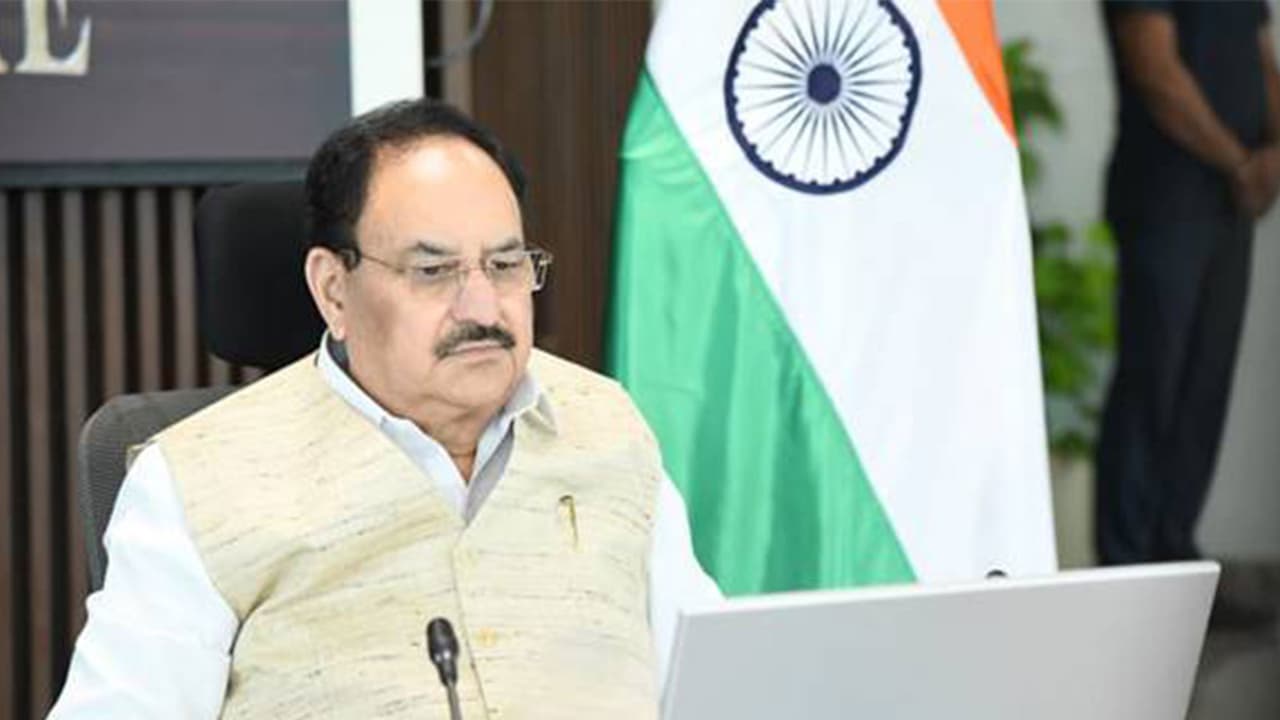
Union Health Minister JP Nadda will release the Anaemia Mukt Bharat Abhiyaan Operational Guidelines, marking its transition to a comprehensive, technology-enabled initiative with an expanded 7x7x7 framework and a new T4 (Test, Treat, Talk, Track) approach.
In a landmark step towards accelerating India’s efforts to combat anaemia, Union Health Minister JP Nadda, will release the Anaemia Mukt Bharat (AMB) Abhiyaan Operational Guidelines during the 16th Meeting of the Central Council of Health and Family Welfare (CCHFW) to be held on June 29 at Vigyan Bhawan, New Delhi.
The launch will mark a significant milestone in India’s fight against anaemia as the programme transitions from Anaemia Mukt Bharat to Anaemia Mukt Bharat Abhiyaan, reflecting its evolution into a more comprehensive, people-centric and technology-enabled initiative, Health Ministry said.
Expanded 7x7x7 Framework
The launch will also formalise the programme’s transition, reflecting its evolution into a holistic approach that extends beyond iron supplementation to encompass testing, therapeutic management, eating right, digital tracking and community participation through Jan Chetna. The guidelines will expand the existing 6x6x6 strategy into a 7x7x7 framework by introducing a seventh beneficiary group, a seventh intervention and a seventh institutional mechanism. Recognising the importance of addressing anaemia from the earliest stage of life, Low Birth Weight (LBW) babies (0-6 months) will be included as the seventh beneficiary group, the press release stated The “Eating Right” approach, which will promote regular consumption of iron-rich and diversified diets as a daily habit, will be introduced as the seventh intervention, while a strengthened Monitoring and Evaluation framework supported by digital tracking will serve as the seventh institutional mechanism, ministry added.
Shift to T4 Approach: Test, Treat, Talk and Track
A key feature of the Abhiyaan will be the transition from the T3 approach (Test, Treat, Talk) to the T4 approach (Test, Treat, Talk and Track). The revised strategy will emphasise intensified haemoglobin testing, treatment of iron deficiency anaemia in accordance with national anaemia management protocols, systematic tracking of beneficiaries for referral and follow-up, and targeted counselling to encourage healthy dietary practices, the release stated.
New Clinical Interventions for Severe Anaemia
For the management of severe anaemia and non-responders among pregnant and lactating women, Intravenous Iron Therapy using Ferric Carboxymaltose (FCM) and Iron Sucrose will be included as an important clinical intervention.
Robust Digital Monitoring Ecosystem
According to the release, the guidelines will also establish a robust digital ecosystem for monitoring anaemia services across beneficiary groups. Haemoglobin testing records for pregnant women will be mapped through the JANANI Portal, while records for children will be captured through the RBSK and U-WIN portals. These platforms will converge into a unified AMB Abhiyaan Portal, enabling comprehensive monitoring, analysis and evidence-based planning.
The release of the Operational Guidelines during the 16th CCHFW Meeting will reaffirm the Government’s continued commitment to strengthening nutrition and maternal and child health and will further accelerate progress towards a healthier and Anaemia Mukt Bharat. (ANI)
(Except for the headline, this story has not been edited by Asianet Newsable English staff and is published from a syndicated feed.)