Is the US-Iran peace deal really the end of war or the beginning of a new conflict? Will Iran’s tax plan on the Strait of Hormuz again increase the global oil crisis? Will Trump’s warning stop Iran’s nuclear program or return to conflict? Will the historic agreement reached at the Versailles Palace change the face of the Middle East?
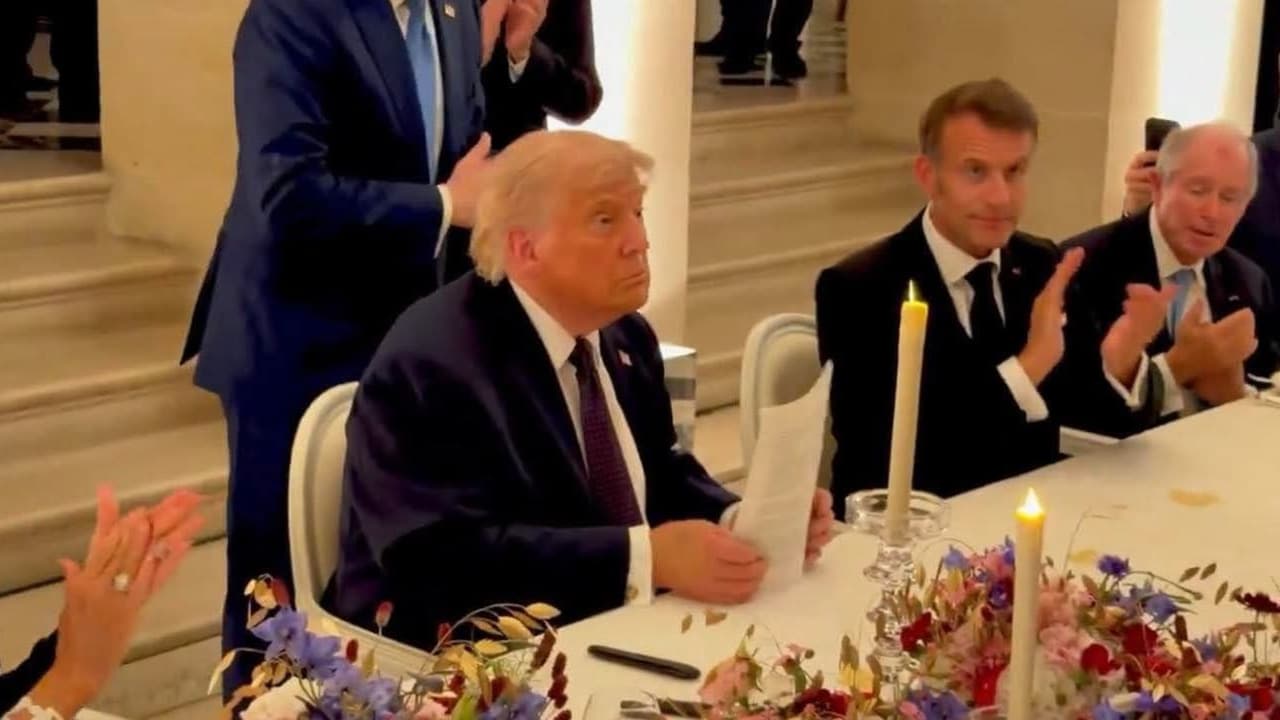
Tel Aviv/Tehran/Washington DC: The most sensational news of the moment is coming from global politics and battlefield. A historic interim agreement has finally been signed to end the ongoing destructive war between America and Iran. US President Donald Trump signed this highly confidential Memorandum of Understanding (MoU) on Wednesday night in the same historic ‘Versailles Palace’ in France, where the Treaty of Versailles, which ended the First World War, was signed 107 years ago. At the time of this grand agreement, French President Emmanuel Macron himself was present as a witness.
Iranian President Masood took this step immediately after Trump
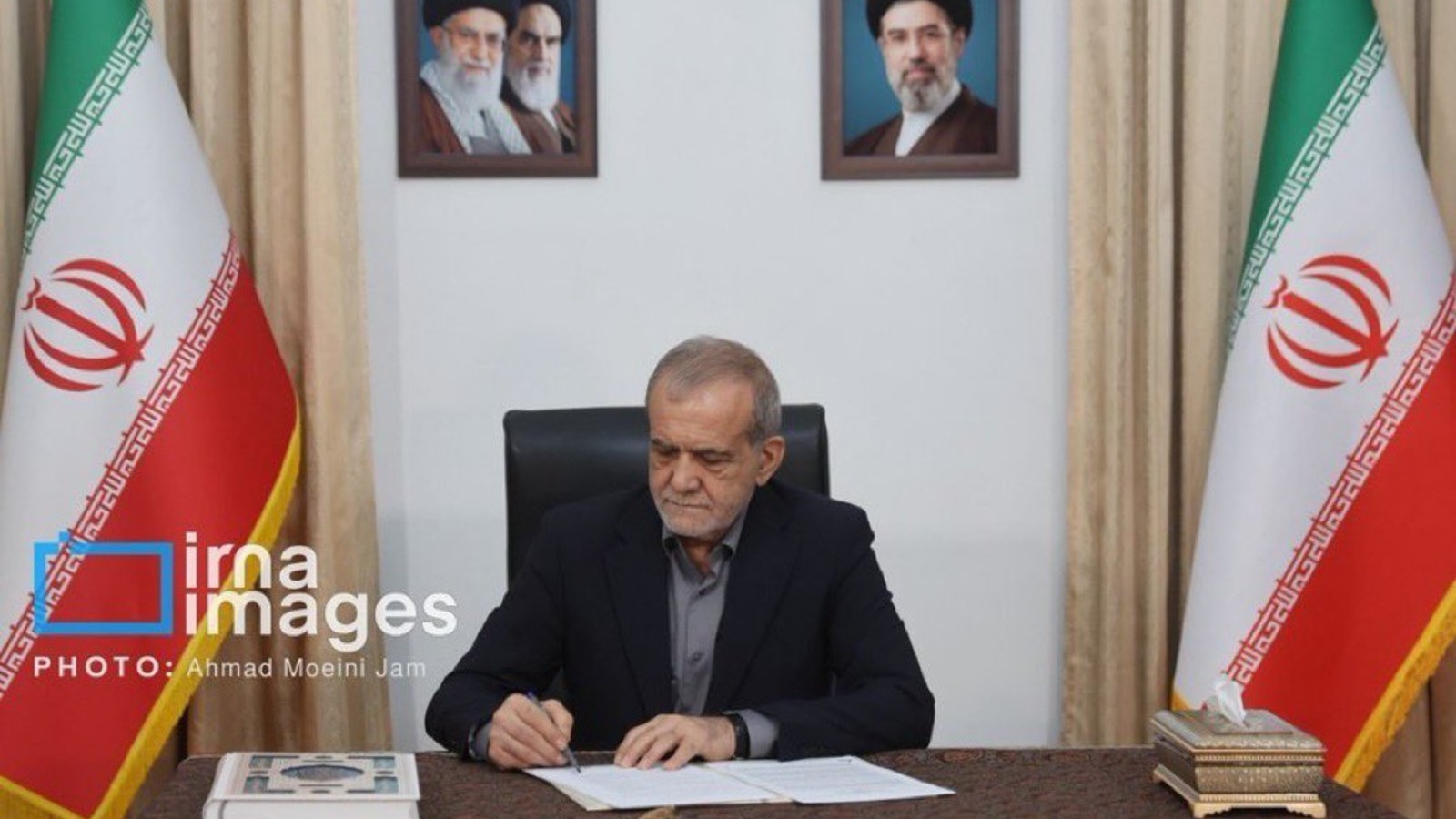
Soon after Trump, Iran’s President Massoud Pazhakian put his seal of approval on the document electronically from Tehran. As soon as this deal was officially announced at 5:30 am Indian time on Thursday, the whole world heaved a sigh of relief. With this, the ceasefire has come into effect immediately between the two countries and the process of reopening the Strait of Hormuz has started. However, amid this peace agreement, the statement of Iranian Parliament Speaker Mohammad Baqer Ghalibaf has created a new stir.
Digital explosion ahead of schedule: Why was Versailles Palace chosen instead of Lucerne?
The suspense regarding this peace deal can be gauged from the fact that it was to be officially signed on June 19 in Lucerne city of Switzerland. But suddenly, a day before the scheduled program, it was finalized digitally at Versailles Palace in France. Experts believe that history is repeating itself; From the same place where the First World War ended, Trump has given a message to calm this great crisis in the Middle East. However, within Iran the tone regarding this secret haste is beginning to change. Iranian MP Malek Shariati raised questions on Trump’s signature while sharing a Quranic verse on social media and said, “No one trusts Trump’s promises, just having a signature is not a guarantee.”
“If the deal is broken then bombs will be rained” – Trump’s last and dangerous warning to Iran
Immediately after signing the agreement, President Donald Trump patted himself on the back, saying, “All of America’s goals have been met and we have achieved more than expected.” According to Trump, his main objective was to stop the war, open Hormuz for global trade and keep Iran away from nuclear weapons, which he did. But at the same time he also gave a very dangerous warning to Tehran. Trump bluntly said, “If Iran violates even one condition of this 14-point agreement, it will be bombed again and again.” Trump also claimed that the United Arab Emirates (UAE) had also bombed Iran heavily in this military campaign.
JD Vance’s sensational U-turn: “Iran will not get a single US dollar!”
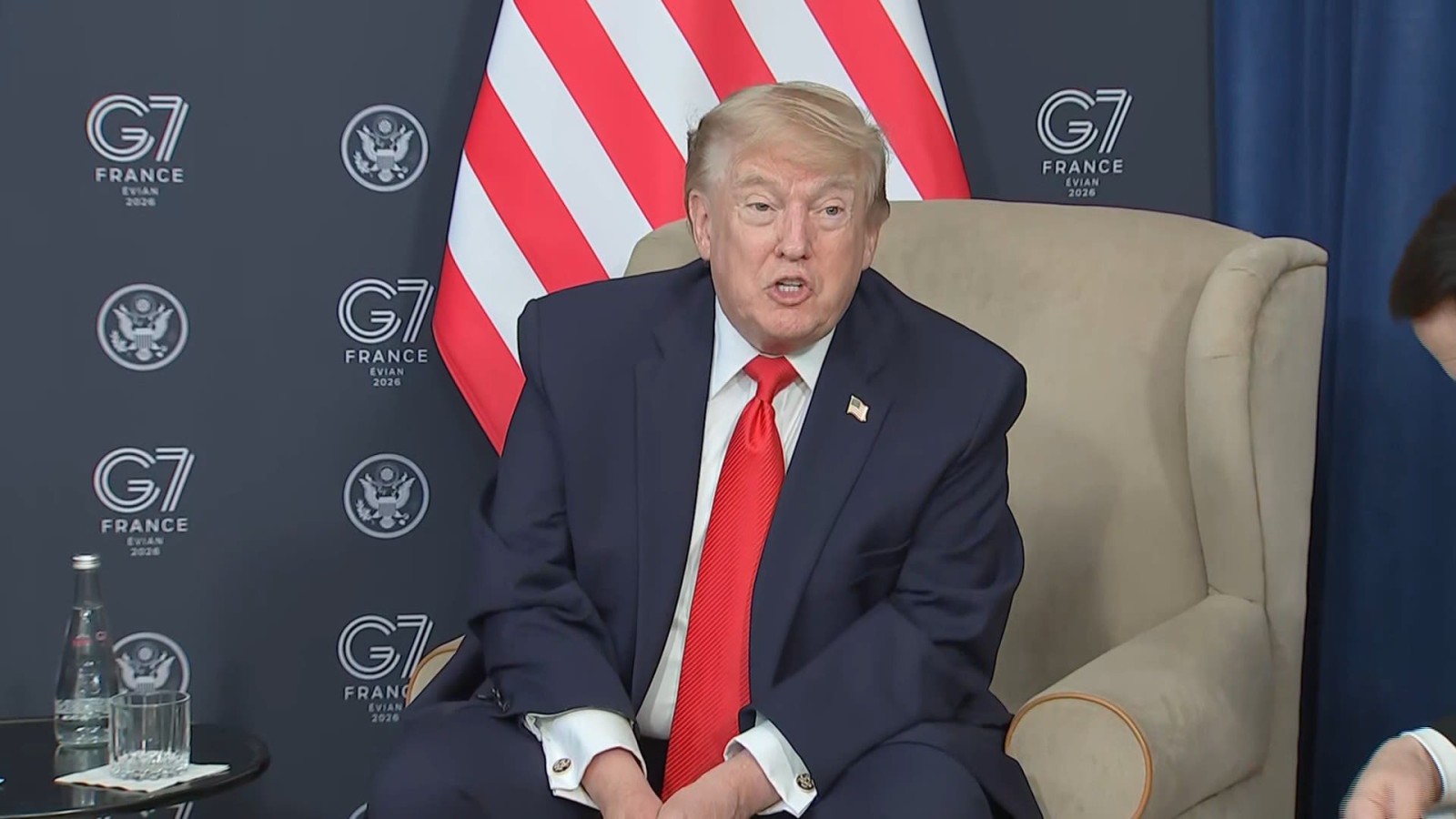
Under this 14-point draft agreement, it was reported that America and its allies will together create a large economic fund of $300 billion for the reconstruction of Iran. But on this news, US Vice President JD Vance has created a big suspense. Vance said in a stern tone that the news of the $300 billion package is completely misleading. He clarified, “If Iran accepts all the conditions, then other countries of the world can invest there, but the US government is not going to give even a single dollar to Iran from its own pocket.” This statement by Vance has raised big question marks on the economic future of the agreement.
Hormuz’s new tax trap: “The situation will never be the same as before the war!”
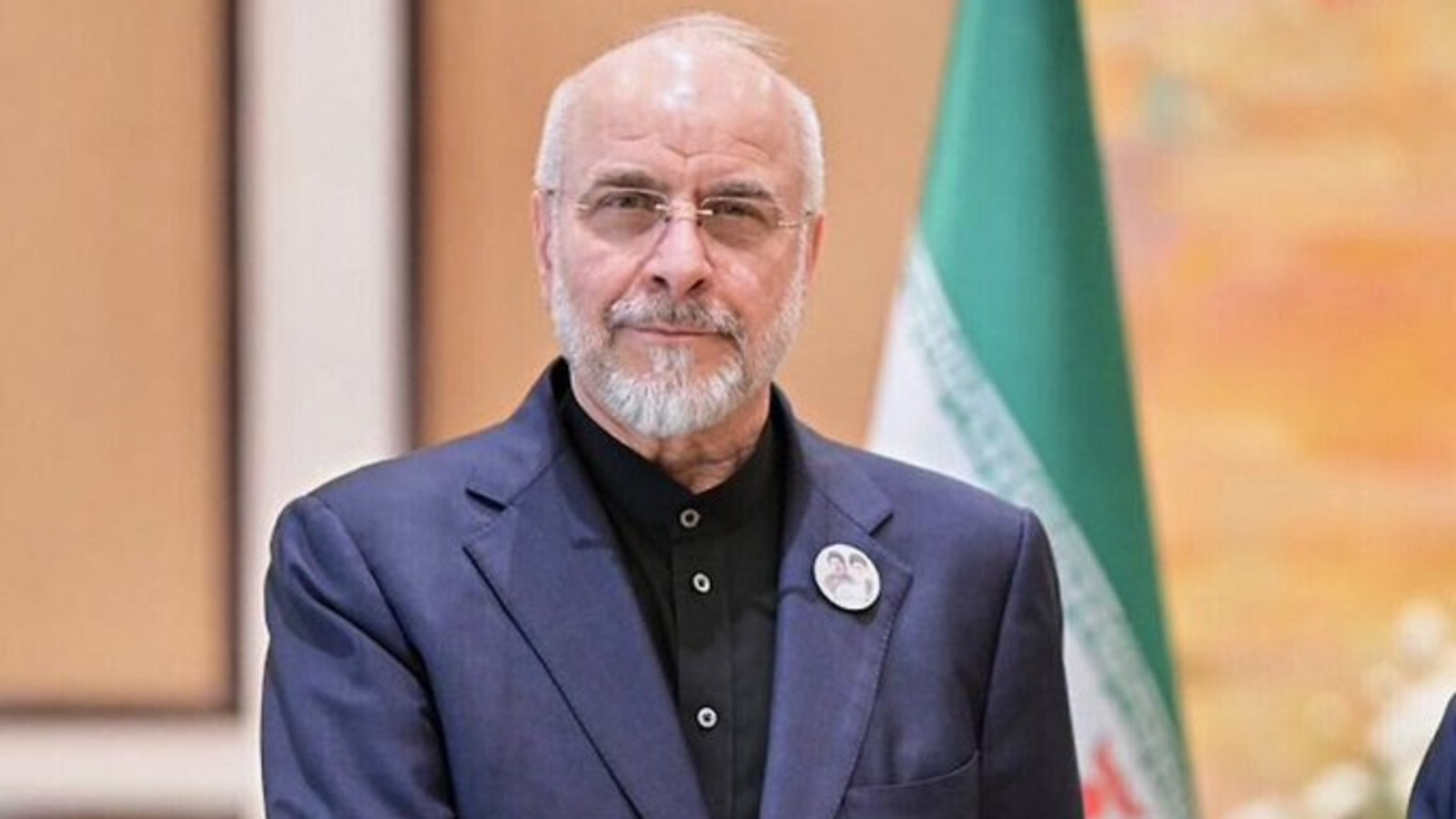
Under this agreement, it has been decided that for the time being the Strait of Hormuz will remain toll-free for 60 days and no tax will be taken from commercial ships from there. But the powerful speaker of the Iranian Parliament, Mohammad Baqer Ghalibaf, has shocked America in an interview given to state TV. Ghalibaf openly declared that the situation in the Strait of Hormuz would never be the same as before the war. Iran has full sovereign rights over this strategic route and after 60 days, heavy taxes will be collected from all ships passing through here. He also warned the US that if Washington did not fulfill its promises, Iran would also break the terms.
Nuclear Suspense: What will happen now to the stock of 60% enriched uranium?
According to International Atomic Energy Agency (IAEA) data, by the start of this war, Iran had enriched uranium to 60% and had a dangerous stockpile of 400 kilograms. Even though in this interim agreement Iran has promised that it will never make nuclear weapons, defense experts believe that the final solution to the nuclear program is still incomplete. Within this 60-day ceasefire period, both countries will have to complete final negotiations on limiting uranium enrichment.
Matter stuck between Lebanon and Israel
Meanwhile, Middle East expert Rami Khoury has warned that the complete withdrawal of Israeli forces from Lebanon will not happen so soon. A final agreement may take 4 to 5 months, and Israel will maintain its presence in southern Lebanon in the name of security. However, the biggest immediate impact of this peace deal has been seen on the market, where Brent crude has fallen sharply to $78.66 per barrel, which was above $125 last month, on the expectation of restoration of crude oil supply. Now it remains to be seen whether this paper peace becomes ground reality or becomes the reason for another big explosion in the Middle East!
Questions raised in Iran too, will Tehran trust America?
Iranian MP Malek Shariati questioned Trump’s signature, saying that mere signatures are not a guarantee. Citing America’s past decisions, he expressed apprehension about following the agreement. Meanwhile, the 14-point draft agreement between the US and Iran includes conditions like stopping war, not making nuclear weapons, relief in economic sanctions and restoration of maritime traffic. Now the whole world is keeping an eye on whether this peace initiative that started from the Versailles Palace will actually bring stability in the Middle East or will it prove to be just a temporary pause.