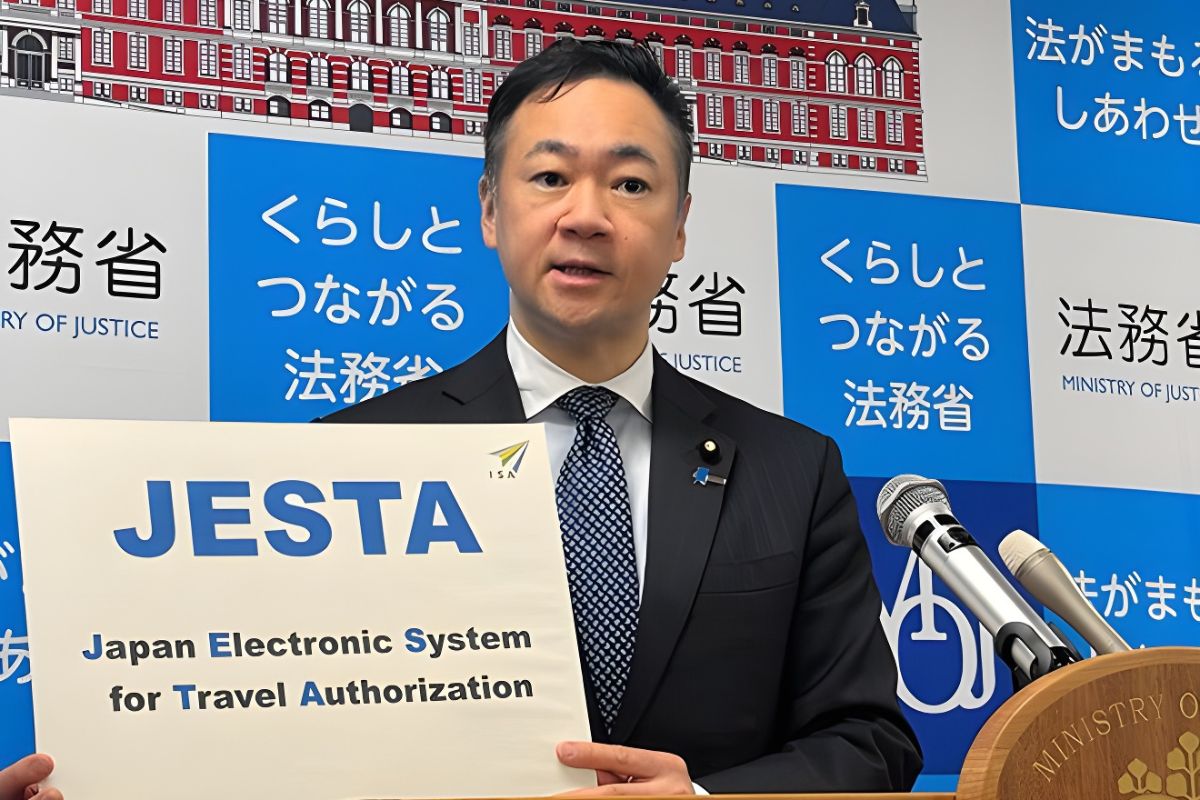
Japan is preparing to roll out a new electronic travel authorisation system called JESTA, a move that could reshape how millions of visa-free travellers enter the country.
The plan was discussed during a parliamentary committee meeting on April 17, 2026, where officials shared fresh details about how the system will work, who it will affect, and why it’s being introduced now.
What is JESTA and Why It Matters
JESTA will require travellers from visa-exempt countries to complete an online application before flying to Japan. The form will ask for basic information such as passport details, travel purpose, and accommodation plans.
The goal is simple. Japan wants to screen travellers in advance, instead of relying only on checks at the airport.
Officials say the system will serve two purposes:
- Strengthen immigration control by identifying high-risk travellers early
- Speed up arrival procedures for approved visitors
With international tourism rising again, Japan is looking for ways to manage higher volumes without slowing down entry.
Millions of Travellers Likely to Be Affected
The scale of JESTA is significant.
- Over 31 million travellers could fall under the system based on current numbers
- This could grow to nearly 44 million by 2030
Unlike traditional visa systems, JESTA will mainly target short-term, visa-free visitors, making it relevant for a large share of international tourists.
Cruise and Transit Travellers Included
One of the key takeaways from the discussion is that JESTA may go beyond standard tourists. Authorities are considering including:
- Cruise passengers who currently benefit from special landing permissions
- Certain transit travellers who may try to bypass screening
However, not all transit passengers will be affected. Japan is likely to apply the rule selectively, based on risk factors linked to specific nationalities.
JESTA Fee Still Undecided
The government has not confirmed how much JESTA will cost. However, officials hinted that the fee will align with global systems such as:
- US ESTA
- Canada eTA
- UK ETA
The final amount will depend on operational costs and international benchmarks, and will be decided later.
How the Application Process Will Work
While the system is still being developed, some features are already clear. Travellers can expect:
- A multi-language online application
- Passport scanning using OCR technology
- Possible facial photo verification
If there are inconsistencies in the application, additional checks may be required.
Concerns Around Errors and Accessibility
Lawmakers raised concerns about possible issues, including:
- System outages or cyber risks
- Errors leading to wrongful refusals
- Challenges for elderly or non-digital users
In response, the government said:
- Backup systems and support channels will be available
- Travel agencies may assist with applications
- A traditional visa route will remain an option if needed
Launch Timeline: Why 2028?
Japan is targeting a fiscal 2028 launch for JESTA.
Officials explained that earlier plans were delayed due to the pandemic, which disrupted travel demand and planning. Now, with tourism rebounding, development has resumed.
The rollout will include:
- Over a year of system development
- Several months of testing
- Staff training before launch
Authorities say the focus is on building a system that is secure and reliable, even if it takes more time.
What Travellers Should Expect
JESTA reflects a broader global shift toward digital border control systems. For travellers, this means:
- Completing an online approval process before departure
- Potentially faster entry at Japanese airports
- More structured and predictable travel requirements
While the system is still a few years away, it’s clear that Japan is aligning itself with other major destinations that already use electronic travel authorisations.
Follow and connect with us on Facebook, Twitter, LinkedIn, Instagram and Google News for the latest travel news and updates!