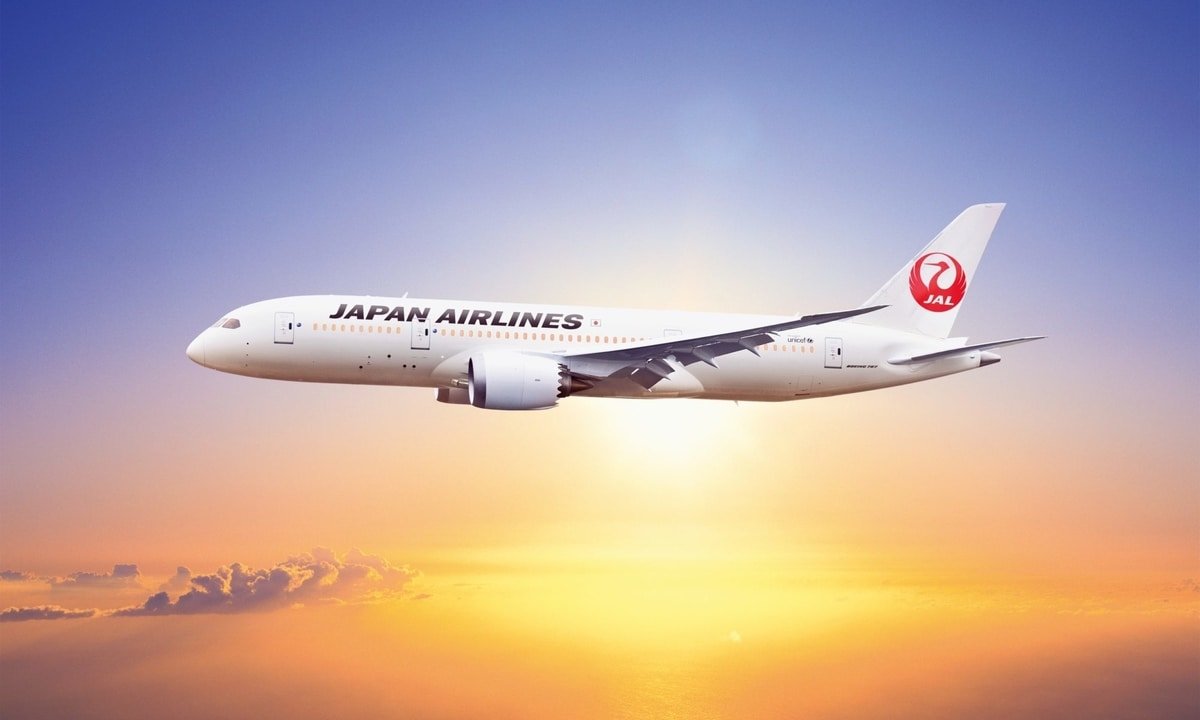
Travellers planning international trips with Japan Airlines (JAL) or Japan Transocean Air (JTA) between May and June 2026 should expect higher ticket costs. The airlines have revised their fuel surcharge due to a sharp rise in global jet fuel prices.
The change affects tickets issued in Japan from May 1 to June 30, 2026.
Why the Fuel Surcharge Is Increasing
Fuel surcharges are adjusted every two months based on the average price of Singapore kerosene-type jet fuel. For February and March 2026, the average price reached USD 146.99 per barrel, which is considered unusually high.
Normally, this price level would place the surcharge in Zone R, the highest band. However, a temporary government subsidy introduced during the review period means travellers will instead be charged at Zone Q, slightly reducing the increase.
In simple terms, prices are still rising, but not as much as they could have.
Updated Fuel Surcharge Levels (May 1 – June 30, 2026)
Below are the revised one-way fuel surcharge amounts per passenger.
Japan to Korea, Far East Russia, Taipei, Kaohsiung
- Current level (Zone H): 3,000 Yen
- New level (Zone Q): 6,500 Yen
- Reference level (Zone R): 6,800 Yen
Japan to East Asia (excluding Korea and Mongolia)
- Current level: 7,400 Yen
- New level: 14,200 Yen
- Reference level: 15,100 Yen
Japan to Guam, Palau, Philippines, Vietnam, Mongolia, Russia (Irkutsk)
- Current level: 9,500 Yen
- New level: 19,500 Yen
- Reference level: 20,500 Yen
Japan to Thailand, Malaysia, Singapore, Brunei, Russia (Novosibirsk)
- Current level: 15,500 Yen
- New level: 29,600 Yen
- Reference level: 31,400 Yen
Japan to Hawaii, Indonesia, India, Sri Lanka
- Current level: 17,800 Yen
- New level: 34,700 Yen
- Reference level: 36,600 Yen
Japan to North America, Europe, the Middle East, Oceania
- Current level: 29,000 Yen
- New level: 56,000 Yen
- Reference level: 59,000 Yen
JAL Fuel Surcharge Comparison
| Route | Current till Apr 30 | New from May 1, 2026 | Reference (Zone R) |
|---|---|---|---|
| Japan → Korea/Far East Russia/Taipei/Kaohsiung | ¥3,000 | ¥6,500 | ¥6,800 |
| Japan → East Asia (Wxcluding Korea & Mongolia) | ¥7,400 | ¥14,200 | ¥15,100 |
| Japan → Guam/Palau/Philippines/Vietnam/Mongolia/Russia (Irkutsk) | ¥9,500 | ¥19,500 | ¥20,500 |
| Japan → Thailand/Malaysia/Singapore/Brunei/Russia (Novosibirsk) | ¥15,500 | ¥29,600 | ¥31,400 |
| Japan → Hawaii/Indonesia/India/Sri Lanka | ¥17,800 | ¥34,700 | ¥36,600 |
| Japan → North America/Europe/Middle East/Oceania | ¥29,000 | ¥56,000 | ¥59,000 |
Tip for readers: The new Zone Q surcharge is almost double the previous level in most cases, especially on long-haul routes.
What Travellers Should Know
Fuel surcharges are added to the base airfare and can significantly impact total ticket cost, especially on long-haul routes.
These charges apply to:
- Flights operated by Japan Airlines
- Code-share flights operated by partner airlines
- Tickets issued in Japan within the specified period
The final surcharge levels are still subject to government approval.
What This Means for Travellers
Airfares for summer 2026 travel may feel noticeably higher, particularly on routes to Europe, North America, and Oceania. Even with government support softening the increase, the jump compared to early 2026 levels is substantial.
If you are planning a trip to Japan or flying from Japan, it may help to book earlier and compare fare breakdowns carefully. Fuel surcharges can change every two months, so timing your booking can make a difference.
Follow and connect with us on Facebook, Twitter, LinkedIn, Instagram and Google News for the latest travel news and updates!