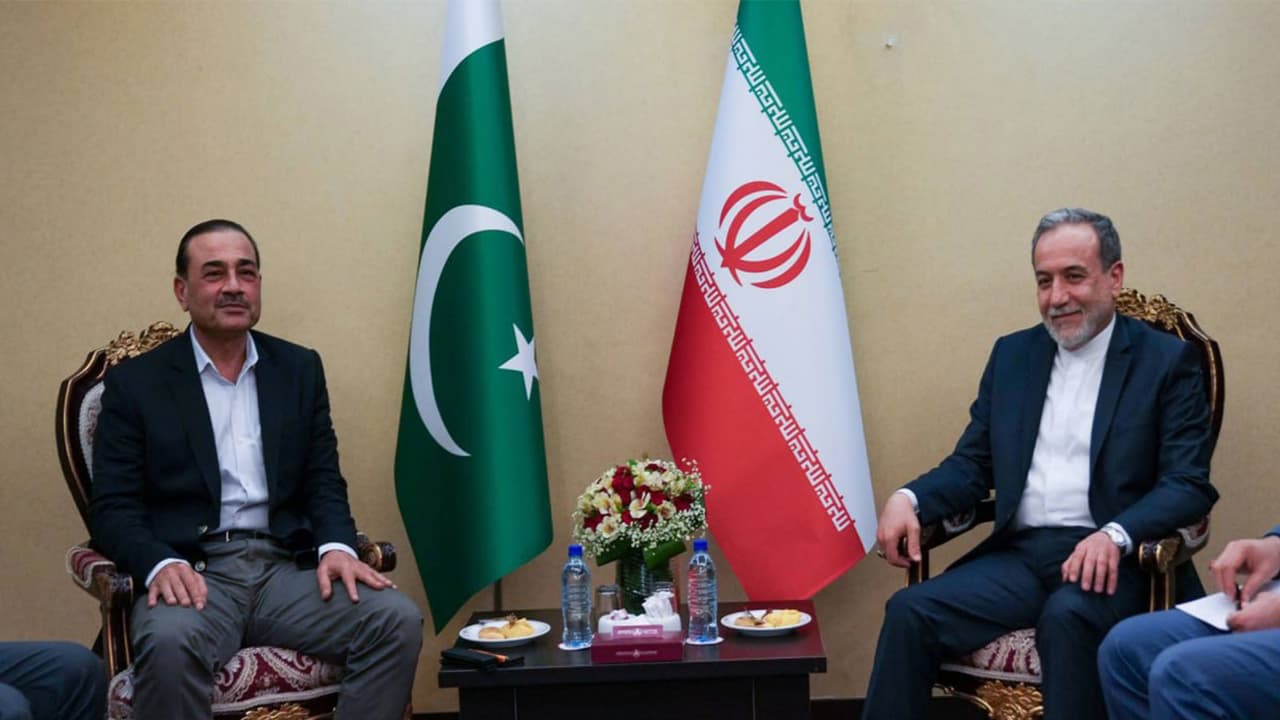
Iranian FM Abbas Araghchi and Pak Army Chief Asim Munir discussed West Asia security. Araghchi also told the UN that US ‘excessive demands’ are an obstacle to peace, as the US reportedly weighs new military action against Iran.
Iran, Pakistan discuss regional security
Iranian Foreign Minister Abbas Araghchi met Pakistan Army Chief General Asim Munir, with the two sides exchanging views on the security situation in West Asia.
The talks, which continued late into Friday night, included discussions on the ongoing Iran conflict, reported Tasnim News Agency.
According to the report, both sides also discussed the latest diplomatic efforts and initiatives aimed at preventing further escalation of tensions in the region.
The discussion additionally focused on issues related to stability and security across West Asia.
Araghchi blames US ‘excessive demands’ in UN talks
As diplomatic engagement continues amid heightened tensions, Iranian Foreign Minister Abbas Araghchi told United Nations Secretary-General Antonio Guterres that Washington’s “excessive demands” remain the primary obstacle to ongoing peace negotiations, Al Jazeera reported.
Araghchi, during a telephonic conversation with Guterres, reportedly said that the United States had repeatedly undermined diplomacy through broken promises, contradictory positions and military aggression, while reiterating that Iran remains engaged in truce talks.
Guterres rejected the use of force against any state’s sovereignty and called for diplomacy to restore stability in the region, according to Al Jazeera’s sources.
US weighs fresh military strikes
Meanwhile, US President Donald Trump’s administration on Friday (local time) was preparing for a fresh round of military strikes against Iran, sources with direct knowledge of the planning told CBS News.
No final decision on strikes had been reached, the sources further added.
Iran reiterates nuclear stance
Iran’s Foreign Ministry spokesperson Esmaeil Baghaei highlighted what he described as fundamental disagreements between the two sides and reiterated Iran’s position on the 14-point plan previously submitted to the United States.
“The reason we don’t talk about the details of nuclear-related discussions is clear. We have done this twice, and the other party’s greed led us into war. We cannot ignore this experience,” said Baghaei, as quoted by Al Jazeera.
“Regarding nuclear issues, the matter is very clear – we are a member of the NPT [Nuclear Non-Proliferation Treaty] and we have the right to use nuclear energy for peaceful purposes,” he added.
US, allies discuss Strait of Hormuz contingency
As the situation continues to evolve in the region, US Secretary of State Marco Rubio earlier stated that he engaged in consultations with NATO allies regarding potential contingencies associated with restoring navigation through the Strait of Hormuz.
Addressing journalists at the ministerial summit in Helsingborg, Sweden, Rubio emphasised the necessity of operational readiness, remarking, “We have to have a plan B for if someone is shooting” in the critical maritime choke point.
“At some point, ideally, they open the strait,” Rubio observed in reference to Iran, before cautioning, “Plan B needs to be, what if Iran says, ‘No, we refuse to open the Strait?'”
(Except for the headline, this story has not been edited by Asianet Newsable English staff and is published from a syndicated feed.)