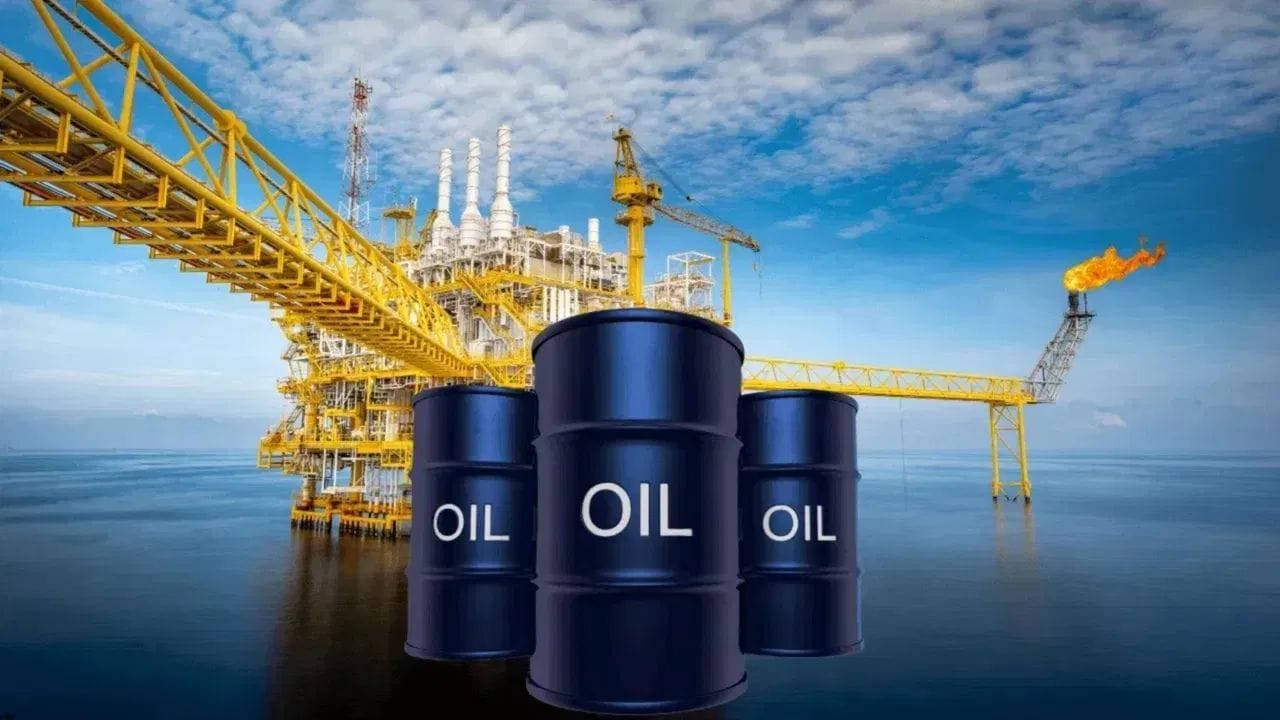
The ongoing tension in West Asia has given a big lesson to India. Our economy is highly dependent on the import of crude oil, due to which there is a risk of sudden shocks (energy crisis). Nagesh Kumar, who is a member of the Monetary Policy Committee of the Reserve Bank of India, says that now India should work fast on reducing this dependence.
Why is over-dependence on oil a danger?
According to Nagesh Kumar, India buys a major part of its requirement from outside in the form of crude oil and gas. In such a situation, if there is any tension or war in areas like West Asia, then oil prices increase. This has a direct impact on India. The import bill increases, the rupee comes under pressure and the costs of the companies also increase.
Economy strong, but risks remain
He said that India’s economy is still strong and is expected to grow at the rate of about 7% in 2026-27. But if this growth is to be sustained in the long term, energy security will have to be given priority.
What needs to be done next?
Nagesh Kumar says that India will have to work on two sides. Exploration of oil and gas (onshore and offshore) will have to be increased within the country. Also, we will have to move rapidly towards solar, wind and other clean energy. Apart from this, it is necessary to create petroleum storage (reserve) on a large scale, use more electricity in factories and homes and adopt new energy options.
Impact on inflation and business
Due to increase in oil price, inflation may increase and the current account deficit of the country may also increase. This also impacts small industries (MSMEs), especially those dependent on gas.
What is the government doing?
To reduce this effect, the government is trying to keep the supply stable and if necessary, is also taking steps like cutting excise duty, so that the burden on the common people is reduced.
the way forward
Experts believe that if India has to avoid such shocks in future, it will have to diversify its sources of energy, increase energy savings and also strengthen exports.
