In a significant diplomatic manoeuvre aimed at de-escalating tensions in the Middle East, Iran has submitted a fresh proposal to regional intermediaries offering to cease its military operations in the Strait of Hormuz.
According to a report by The Wall Street Journal, the deal is contingent upon a complete cessation of hostilities and the removal of the US blockade currently stifling Iranian maritime hubs.
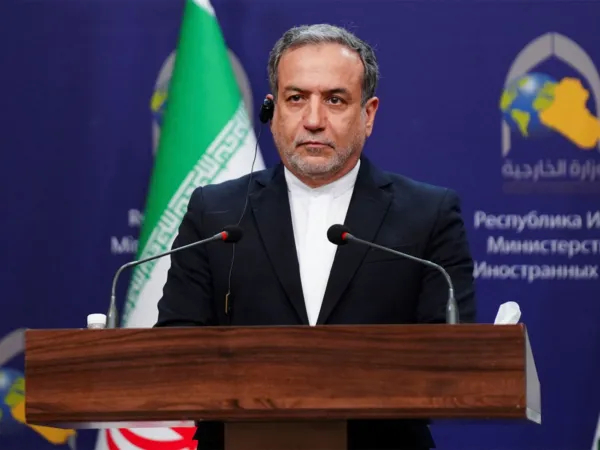
The strategic overture, delivered by Foreign Minister Abbas Araghchi, seeks to dismantle the current geopolitical stalemate and revitalise stalled negotiations. Sources familiar with the matter indicated that the framework would essentially see “discussions about Iran’s nuclear program shelved.” While the proposal gains traction, Iran’s mission to the United Nations has yet to offer an official statement.The diplomatic push was further highlighted on Monday when Araghchi held talks with Russian President Vladimir Putin. During the meeting, the Russian leader lauded the Islamic Republic’s perseverance against the military efforts of the US and Israel, while committing Moscow’s diplomatic support to find a resolution.
In Washington, The Wall Street Journal reports that the administration is actively weighing the offer, with White House Press Secretary Karoline Leavitt confirming that President Trump reviewed the Iranian framework with his national security advisers.Providing a cautious perspective, Secretary of State Marco Rubio noted on Monday that while he believes Tehran is “serious about making a deal” with the US, he clarified that Washington has no intention of allowing Iran to exercise total authority over the vital shipping lane.
The current friction reached a flashpoint this month when the US implemented a naval blockade on Iranian ports, a direct response to Tehran’s “de facto closure of the strait.” Following the collapse of previous discussions, The Wall Street Journal detailed that Iran’s new roadmap involves a three-stage de-escalation process. The initial phase would demand that the US and Israel terminate the war and offer formal “guarantees not to start it again.”Under this proposed timeline, neutral mediators would subsequently facilitate the reopening of the strait and oversee a long-term management agreement for the waterway. However, a significant sticking point remains; Iranian officials reportedly informed mediators that Tehran still intends to maintain sovereignty over the strait before it would “start negotiations on its nuclear program and other issues such as its funding to proxies in the region.”
Scepticism remains high among regional analysts regarding the sustainability of such an agreement. Raz Zimmt, an expert at Israel’s Institute for National Security Studies, argued that this sequence is flawed, suggesting “it is clear to all that whatever is not resolved by the end of the war is highly unlikely to be resolved afterward.”As the situation evolves, The Wall Street Journal noted that international mediators are encouraging Tehran and Washington to maintain remote communication channels until a mutual understanding is within reach. The initial details of the proposal were first brought to light by Axios.