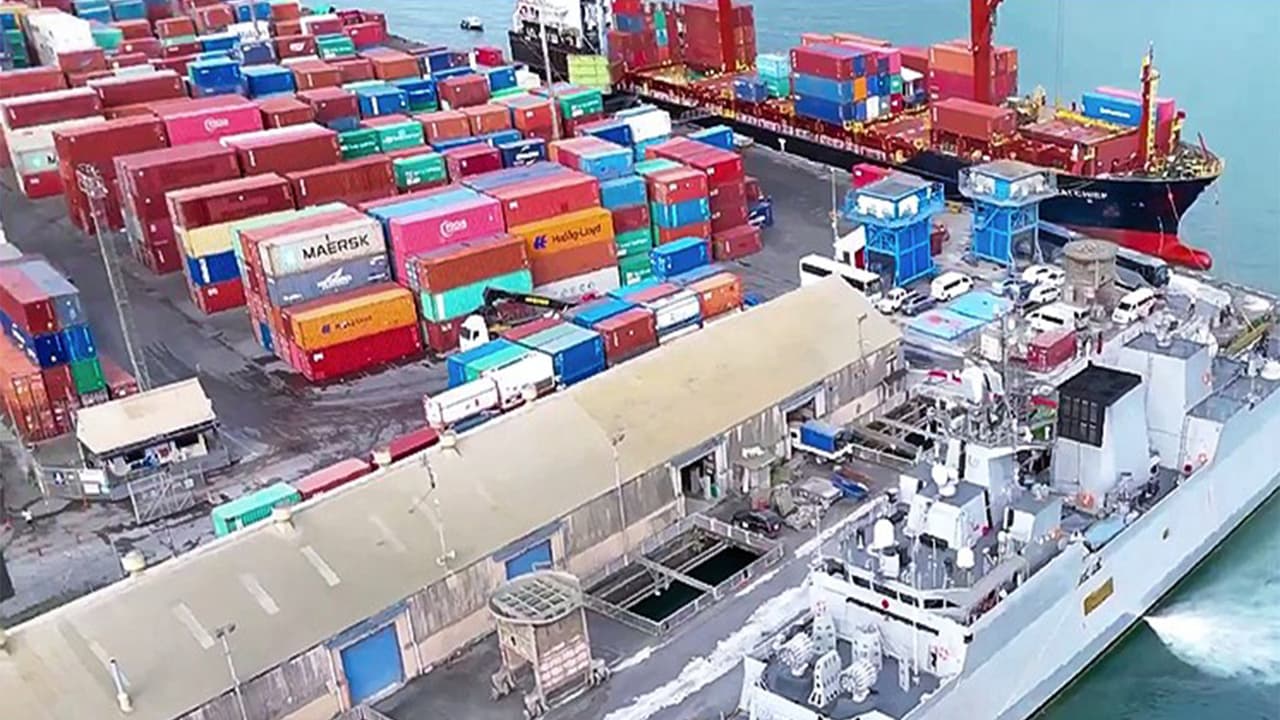
According to Dolat Capital report, tensions in the Middle East could increase oil prices and freight costs. Due to this, India’s trade deficit will remain under pressure. The deficit widened to $30.4 billion in June, the highest level in five months.
New Delhi [भारत]July 14 (ANI): India’s trade deficit may remain under pressure in the coming months, according to a report by Dolat Capital. This is because the new geopolitical crisis in the Middle East could increase oil prices and freight costs. However, reduced demand for crude oil from China may help prevent any sharp rise in global oil prices.
“Looking ahead, freight costs and oil prices are likely to remain elevated due to renewed bottlenecks in the Strait of Hormuz. However, subdued crude demand from China and lack of aggressive stockpiling of strategic reserves by major economies are likely to limit any sharp rise in global oil prices,” the report said.
Losses reach highest level in five months in June
India’s trade deficit widened to a five-month high of US$30.4 billion in June 2026, compared to US$19.1 billion a year ago. This happened because imports grew much faster than exports. On an annual basis, imports of goods increased by 31 percent to US$ 70.8 billion, while exports increased by 15.5 percent to US$ 40.4 billion.
Why did imports increase?
According to Dolat Capital, the sharp increase in imports has been due to re-stocking of inventories following the easing of supply chain disruptions following the closure of the Strait of Hormuz. Along with this, strong demand for petroleum products, fertilizers, electronic goods and major agricultural commodities has also increased it.
Petroleum imports remained at US$19.3 billion, significantly higher than the pre-war monthly average of about US$13–15 billion. At the same time, there was a significant increase in the import of fertilizers. However, the report said that after the change in import duty which came into effect in May 2026, gold imports fell to US$2 billion, while silver imports fell sharply to US$0.1 billion.
Strength was also seen on the export front
On the export front, engineering goods, electronic goods, petroleum products and organic and inorganic chemicals remained the major drivers of growth. Export demand remained broad, supported by key markets such as the United States, United Arab Emirates, Singapore and China.
The report said that although India’s exports remain resilient, strong import growth has widened the trade deficit. It also said that any further disruption in oil supplies due to geopolitical events in the Middle East could keep the country’s import bill high and remain a major risk to the current account in the coming months. (ANI)
(Except for the headline, this story has not been edited by Asianetnews Editorial staff and is published from a syndicated feed.)