An expert called Pak PM Shehbaz Sharif’s UNGA speech a ‘tired tirade.’ In a stinging rebuttal, India termed his remarks ‘bizarre,’ highlighted Osama bin Laden’s discovery in Pakistan, and warned of consequences for cross-border terrorism.
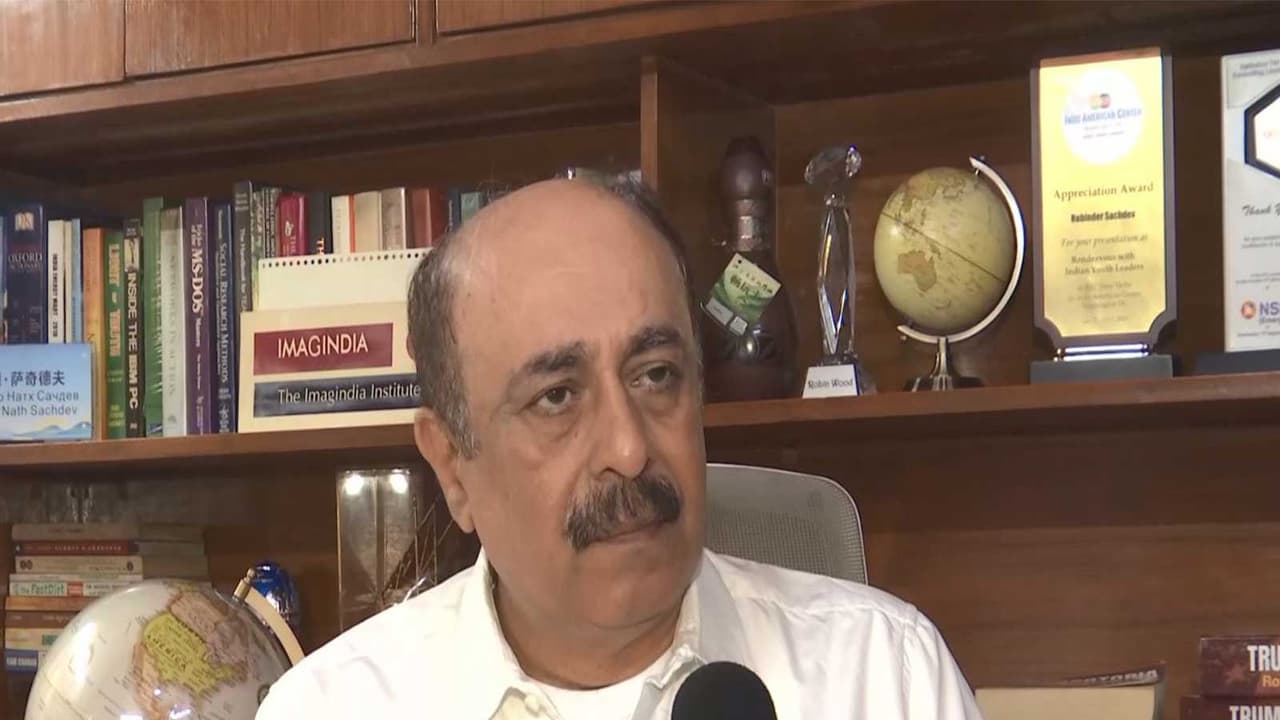
Foreign affairs expert Robinder Sachdev has delivered a scathing assessment of Pakistan Prime Minister Shehbaz Sharif’s address at the United Nations General Assembly, dismissing it as a repetitive tirade designed solely for domestic consumption while ignoring Islamabad’s continued sponsorship of cross-border terrorism. Speaking to ANI, Sachdev stated, “It’s the same old tired speech, ranting points which Pakistan has. He raises the issue more for his domestic audience, because I think the world community is sick and tired of hearing their same old stories regarding the Indus Waters Treaty. You cannot expect benefits of cooperation while you’re conducting terror radicalist activities against our country. You don’t do that; you reap all the benefits of cooperation.”
India Delivers Stinging Rebuttal at UNGA
Building seamlessly upon these expert insights, India delivered a stinging rebuttal to Pakistan Prime Minister Shehbaz Sharif following his address at the United Nations General Assembly in New York. Exercising India’s right of reply, Indian diplomat Petal Gehlot termed Sharif’s remarks “bizarre” and brought the Assembly’s attention to Pakistan’s history of sheltering high-profile terrorists, noting that Osama bin Laden, the mastermind behind the 9/11 attacks, was discovered residing within Pakistan. “The US just observed the anniversary of the 9/11 attacks. Its mastermind was living at the doorstep of Pakistan’s Army’s premier academy,” she pointed out.
Sharif had used the global platform to bring up the Kashmir issue and credit US President Donald Trump for his intervention during the 2025 conflict. Exposing Islamabad’s double standards on security, India asserted that Pakistan “claims to uphold security by day and perpetrates terrorism by night.”
India Asserts Right to Self-Defence
Warning Islamabad of the repercussions of supporting cross-border terror, India firmly reiterated its sovereign right to self-defence. “We demonstrated last year that terrorists will have nowhere to run and nowhere to hide. Our right to defend ourselves against terrorism will be exercised. And continued terrorism by Pakistan will have consequences,” the Indian diplomat said. New Delhi previously undertook Operation Sindoor on May 7 last year, striking terror infrastructure across Pakistan and Pakistan-occupied Kashmir in response to the Pahalgam attack that claimed 26 civilian lives.
While President Trump has repeatedly claimed credit for mediating a cessation of hostilities, New Delhi has consistently rejected any form of third-party intervention. Calling upon the international community, India urged the UN Assembly “to recognise Pakistan and its policies for what they are, not what its representatives mendaciously present.” “Reiterating falsehood year after year will not make it true. Pakistan’s duplicity and deceit will neither benefit it nor the world.”
Counters Pakistan on Kashmir, Highlights PoK Violations
Addressing Sharif’s focus on Kashmir during his extended address, India firmly maintained that Jammu and Kashmir is an “integral and inalienable part of India,” while directing global attention towards rampant human rights violations in Pakistan-Occupied Kashmir. “Let’s turn focus to PoK. Ask the people of Rawalkot about the wanton killings and human rights violations by the Pakistan government there,” she stated.
Slams Pakistan’s Governance and Minority Rights
Dismantling Islamabad’s “hypocritical homilies” concerning democracy and human rights, India exposed the reality of Pakistan’s governance. “Pakistan is the regime of the army, for the army and by the army. Their puppets may change, but the army continues to call the shots.”
On Islamabad’s references to religious harmony, India underscored the country’s dismal domestic record regarding minorities. “The Pakistani regime has blasphemy laws as its mainstay. The world knows how Pakistan treats its minorities.”
Reiterates Stand on Indus Waters Treaty
Regarding the Indus Waters Treaty (IWT), India has maintained that the pact will remain in abeyance until Pakistan credibly and permanently halts its active sponsorship of cross-border terrorism, a punitive measure instituted in the wake of the Pahalgam terror attack. (ANI)
(Except for the headline, this story has not been edited by Asianetnews Editorial staff and is published from a syndicated feed.)