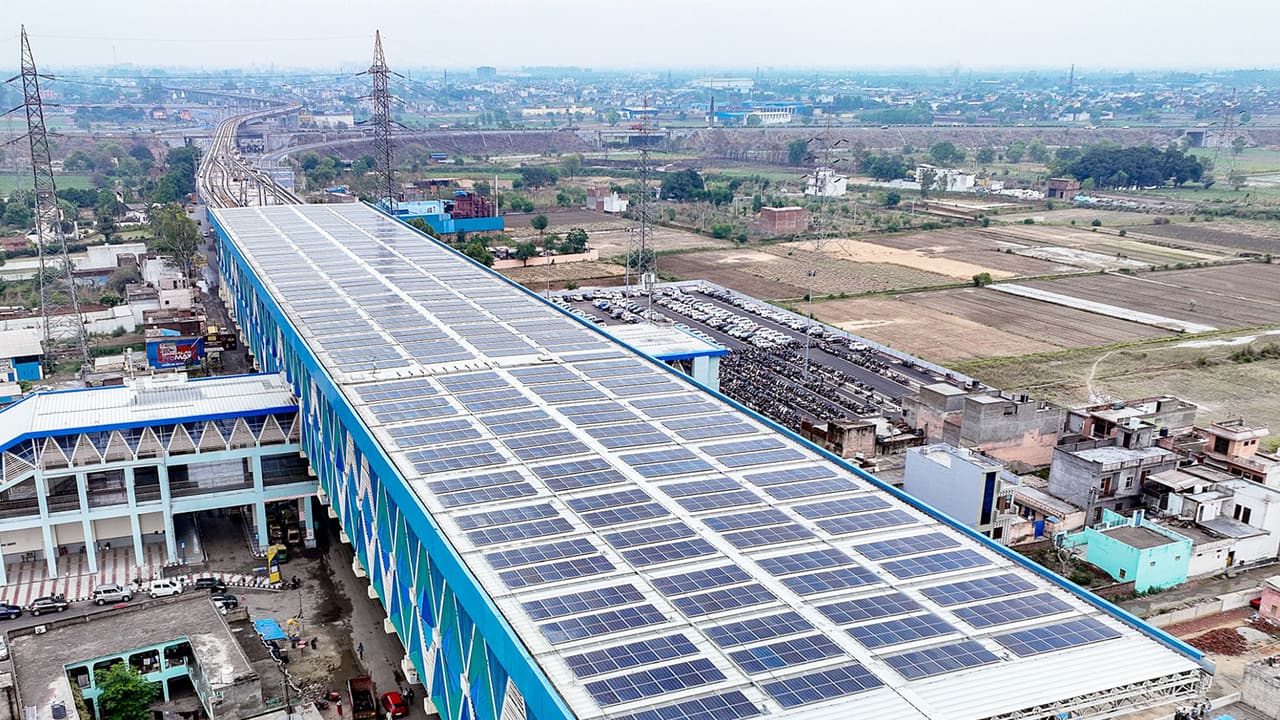
India’s rooftop solar sector can scale to 132 GW from the current 17 GW, with a massive 115 GW untapped potential in the residential segment alone, an ISMA report states. Annual demand is projected between 9-15 GW through 2030.
India’s rooftop solar sector has the potential to scale to 132 gigawatts (GW) from the current 17 GW installed capacity, with an annual demand outlook ranging between 9 GW and 15 GW through 2030, according to the Indian Solar Manufacturers Association (ISMA).
Massive Untapped Potential
The report highlighted that while 17 GW stood installed across the country, an untapped potential of nearly 115 GW remained in the residential segment.
The industry body noted that this gap offered an avenue to generate demand for domestic manufacturing across solar cells, modules, inverters, and balance-of-system components.
ISMA based its market projections on national residential electricity consumption patterns, household housing characteristics, and distribution-utility tariff structures.
The association evaluated that the residential rooftop market entered a phase of sustained scale-up, positioning the sector for an expansion phase between 2026 and 2030.
The projected installation pace of 9 to 15 GW annually pointed to a pipeline for Indian component manufacturers seeking to reduce reliance on foreign supply chains.
Role of PM Surya Ghar Yojana
The report also pointed to the “Affordability Effect” initiated by the central government’s PM Surya Ghar Muft Bijli Yojana.
The scheme broadened adoption into regions beyond states where natural economic viability previously drove installations, expanding the consumer base and supporting local supply chains.
Call for Policy Continuity
Amit Manohar, Secretary General of ISMA, highlighted the operational impact of central interventions across regional markets. “PM Surya Ghar has played an important role in expanding residential rooftop solar adoption, particularly in markets where project economics remain challenging,” Manohar stated.
He further emphasized the necessity of administrative clarity for upcoming policy phases as the existing guidelines moved toward scheduled timelines. “As the current programme approaches March 2027, providing early clarity on its next phase, including consideration of PM Surya Ghar 2.0, preferably by December 2026, would help maintain market continuity and provide greater visibility to consumers and industry stakeholders,” Manohar added.
The association stated that uninterrupted policy support past March 2027 remained essential to preserve deployment momentum.
The report mentioned that institutional visibility served as a requirement for manufacturers to commit long-term capital investments, expand factory capacities, and secure local supply chains across the domestic ecosystem.
(Except for the headline, this story has not been edited by Asianetnews Editorial staff and is published from a syndicated feed.)