India’s renewable energy capacity is set to hit 359 GW by FY30, with power demand rebounding to 6% growth by FY27, says a Jefferies report. A potential El Nino event may boost demand, while thermal capacity and domestic solar manufacturing also expand.
With geopolitics now driving focus on energy security, Jefferies expects India’s renewable energy (RE) capacity to reach 359 GW by FY25-30. The report comes as the country prepares for a significant recovery in power demand following a period of muted growth.
Power Demand Recovery and Climate Impact
The report anticipates that power demand will rebound to a six per cent growth rate in FY27, driven by a combination of normalizing industrial activity and specific climate factors. The 2026 monsoon season presents a notable upside for national power consumption. Citing forecasts from the International Research Institute for Climate and Society, Jeffeires notes a 60 per cent probability of an El Nino event during the June to September period. Such weather patterns typically correlate with a sharp rise in energy requirements across the domestic and agricultural sectors.
“Lower rainfall typically raises power demand from residential and agriculture segments which is 40-45% of India’s power demand. Households see higher cooling product usage and agriculture usage of irrigation/pumping equipment rises,” the Jefferies report states.
Balancing Energy Mix: Thermal and Solar Expansion
While the transition to green energy remains a primary focus, the government continues to bolster thermal capacity to maintain a stable energy mix. Plans are currently in place to add 97 GW of thermal capacity by 2034-35, a major expansion compared to the 247 GW recorded at the end of FY25.
Push for Domestic Solar Production
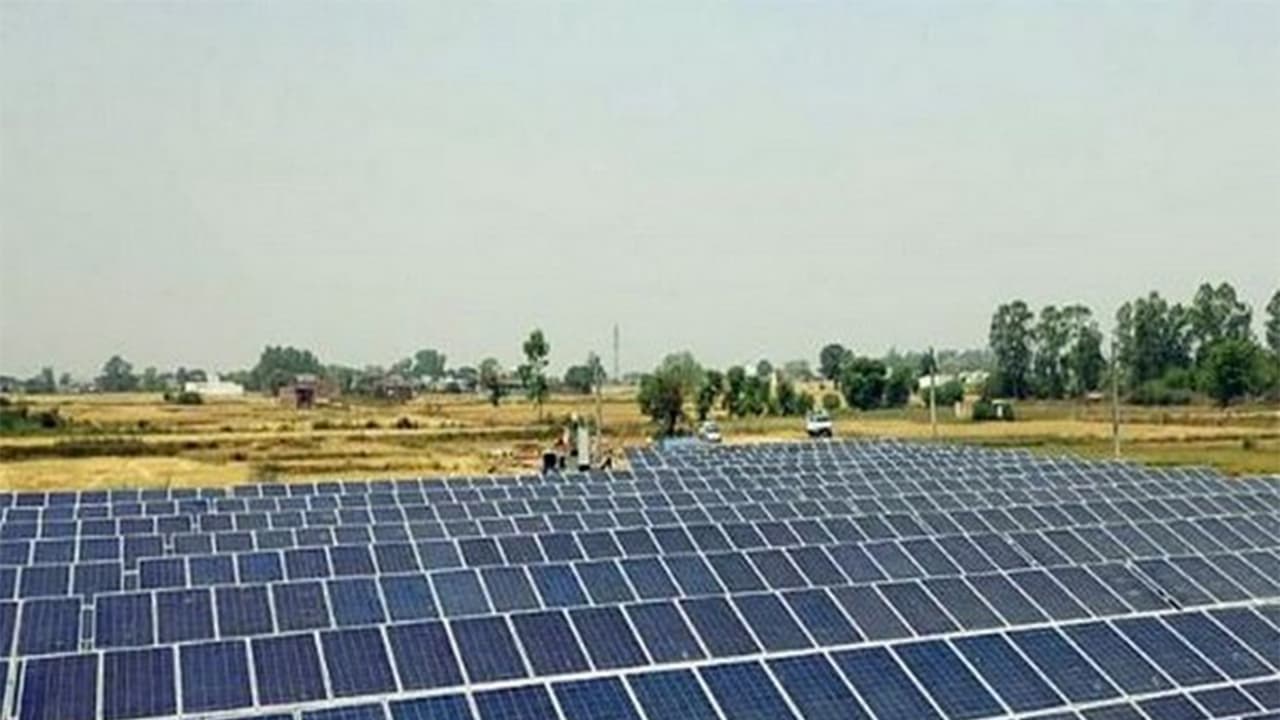
Domestic solar manufacturing is also seeing a heavy push through government mandates and decentralized subsidy programs. The PM Suryaghar rooftop solar initiative achieved approximately 9 GW of installations in FY26, while the PM Kusum agri-pump scheme added 7.5 GW. These programs, which rely on Domestic Content Requirement (DCR) cells, now represent nearly 30 per cent of India’s annual solar installations.
“Govt impetus on DCR schemes is driving PV demand while domestic ingot/wafer mandate ensure backward integration. Capex required for cell capacity creation is ~US$ 70mn/GW and capex for ingot/wafer is broadly similar,” the report says.
A government mandate for the use of domestic ingots and wafers, effective June 2028, marks a long-term transition toward total backward integration in the solar supply chain. This policy shift likely benefits companies with robust balance sheets that can manage the capital-intensive nature of such projects. Currently, a shortage of domestic cells allows early movers in the manufacturing space to maintain strong profitability. (ANI)
(Except for the headline, this story has not been edited by Asianet Newsable English staff and is published from a syndicated feed.)