Indian jewelery market
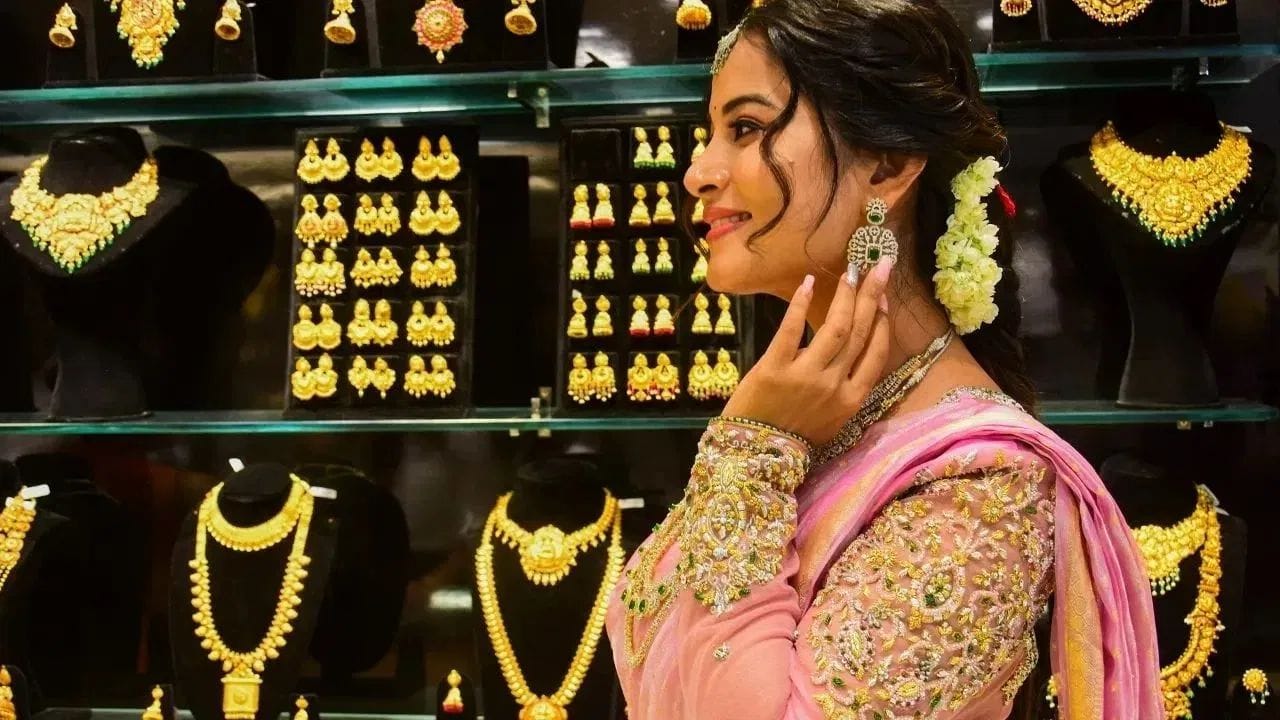
In India, gold and jewelery are not only a means of investment but also a symbol of tradition, culture and social prestige. Buying gold during weddings, festivals and special occasions is a priority for Indian families. This is the reason why the country’s jewelery market has become worth more than Rs 7 lakh crore. India is among the largest gold consuming countries in the world and thousands of businessmen are active here in both organized and unorganized sectors.
The share of organized jewelery companies has increased rapidly in the last few years. Companies like Titan Company, Kalyan Jewellers, PC Jeweller, Joyalukkas and Malabar Gold and Diamonds have established their strong presence across the country. However, behind the glamor of this industry, many challenges and controversies have also emerged from time to time.
Titan: Under market expectations and margin pressure
Tata Group company Titan is considered to be the most trusted name in the jewelery sector. However, the company also did not remain untouched by the challenges of the market. There were many concerns among investors regarding rising prices of gold, fluctuations in demand and profit margins. There was a lot of discussion in the market regarding gold demand and profitability during 2025-26, the impact of which was also seen on the stock performance.
Kalyan Jewellers: Fluctuations in shares became a topic of discussion
Kalyan Jewelers has been in the news in recent years due to controversies related to the stock market. The company had filed a complaint with the market regulator regarding alleged share price manipulation. Due to unusual fluctuations in shares and rumors, an atmosphere of concern was created among investors. However, the company has been continuously emphasizing on transparency and business expansion.
PC Jeweller: Questions regarding debt and corporate governance
Delhi-based PC Jeweler has been one of the most talked about jewelery companies in the last few years. The huge fall in the company’s shares, debt-related challenges and questions related to corporate governance remained the topic of discussion among investors. However, the company has clarified from time to time that it is following all the regulatory standards and is working towards strengthening the business.
Questions raised on Rajesh Exports also
India’s leading gold exporter company Rajesh Exports has also been in the news from time to time regarding financial performance and debt related issues. The company is counted among the country’s largest gold refining and exporting companies, but investors and some sections of the banking sector have raised questions about its financial figures. The company has also presented its stand on these concerns several times.
Different challenges before Joyalukkas and Malabar Gold
From time to time, customers have raised questions regarding the transparency of gold saving scheme, making charges and terms of offers regarding Joyalukkas. However, these complaints have mainly been related to consumer experience and have not become part of any major regulatory dispute.
At the same time, Malabar Gold and Diamonds has faced challenges like rapid expansion, supply chain and increasing competition. Despite these challenges, the company has rapidly expanded its network in the country and abroad.
Increased monitoring, increased consumer confidence
With the increasing size of the jewelery industry, the government and regulatory bodies have also increased surveillance. Provisions related to hallmarking, GST compliance, gold import rules and prevention of money laundering are being strictly implemented. This has increased transparency in the industry and strengthened customer confidence.
Experts believe that the share of organized jewelery companies will increase further in the coming years. However, for this, companies will have to give top priority to corporate governance, financial transparency and customer trust. India’s jewelery market of over Rs 7 lakh crore is growing steadily, but its long-term success will depend on transparent business practices and strong consumer confidence.