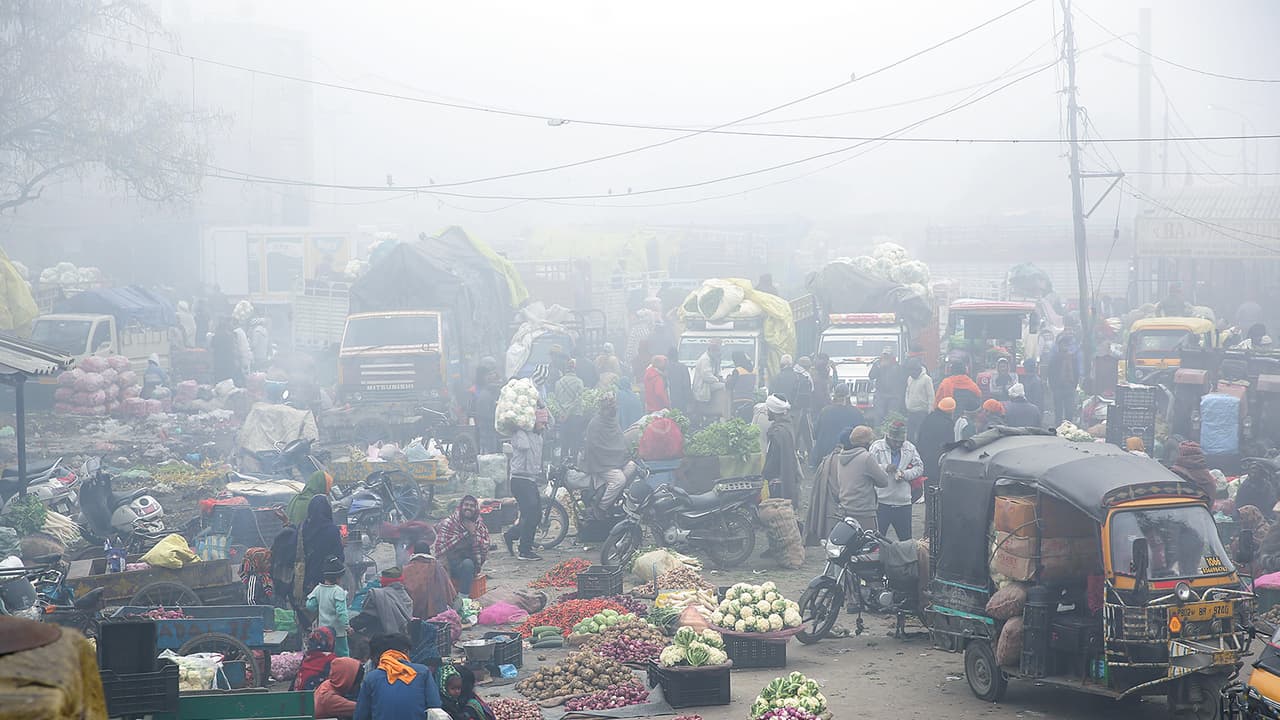
Brokerage firm Prabhudas Lilladher predicts India’s inflation will likely surpass the RBI’s 6% target in H2 FY27. Key risks include El Nino affecting monsoons, low reservoir levels, geopolitical disruptions, and high crude-linked costs.
Inflation in India has a high probability of shooting through the Reserve Bank of India’s targets in the second half of the financial year 2026-27, with a potential spike beyond the 6% upper band, according to brokerage firm Prabhudas Lilladher.
Key Risks Driving Inflation Forecast
As El Nino combines with geopolitical supply-chain disruptions to pressure food and input prices, the brokerage flagged deficient monsoons, low reservoir levels and elevated crude-linked costs as key risks ahead. “Given this backdrop and current macroeconomic and geopolitical backdrop, we expect a spike in inflation which can even go beyond RBI upper band of 6% in 2H27,” the brokerage said in its June 12 research report.
El Nino and Monsoon Concerns
The firm noted IMD and Skymet are predicting El Nino this monsoon, with IMD forecasting rainfall at 90% of Lon Period Average (LPA) versus Skymet’s 94% of LPA. June rainfall is expected at 92% of LPA, and the onset in August is likely to weaken further. “The outlook suggests higher deficit probability in North, West, and Central India, while East and Northeast India may fare comparatively better,” it said.
Water storage is 10% lower Year on Year (YoY) in this El Nino year, and “intense heat is likely to add to crop loss and inflation,” the brokerage said.
Historical Context and Compounding Factors
While El Nino’s impact on output has waned due to better irrigation, Kharif production still fell 22%/11.7%/12% in FY2003/2005/2010. Even in recent El Nino years, output dropped 2.3% in FY16 and was flat in FY24, showing rainfall distribution and irrigation now matter more. Still, Prabhudas Lilladher said El Nino alone isn’t the driver, but it has coincided with sharp inflation in FY10 and FY13.
The brokerage sees inflation risks compounding. “We believe that probability of inflation shooting through RBI targets remains high given that we had negative food inflation starting June 2025 and geopolitical uncertainties have not only disturbed supply chains but also led to spike in prices of key crude-based inputs,” it said.
Data shows no direct one-to-one CPI-El Nino link, but years like FY09/12/13 saw CPI jump due to global disruptions and crude spikes alongside weak monsoons.
Economic Outlook and Concluding Analysis
Prabhudas Lilladher expects the second-round impact of high crude and disrupted supply chains to hit demand over coming months.
With reservoir levels down and August rains likely to weaken, food inflation could accelerate just as base effects turn unfavorable. Unless monsoon distribution improves or geopolitical tensions ease, the firm sees upside bias to its inflation outlook through 2H27. (ANI)
(Except for the headline, this story has not been edited by Asianet Newsable English staff and is published from a syndicated feed.)